Department of Neurology, Samsung Medical Center, Sungkyunkwan University School of Medicine, Seoul, Korea.
Department of Neurology, National Medical Center, Seoul, Korea.
J Stroke. 2015 Sep;17(3):229-37. doi: 10.5853/jos.2015.17.3.229. Epub 2015 Sep 30.
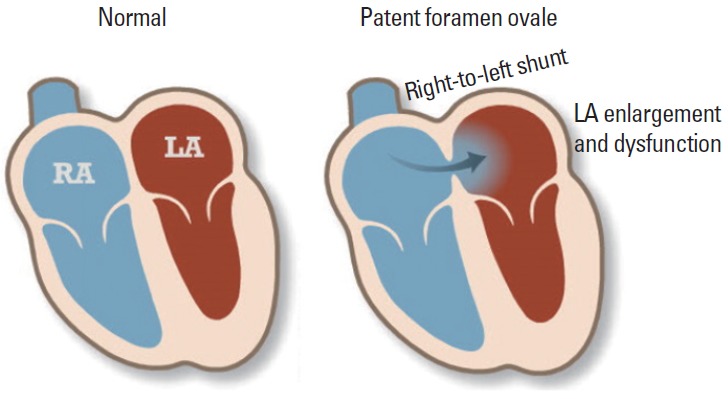
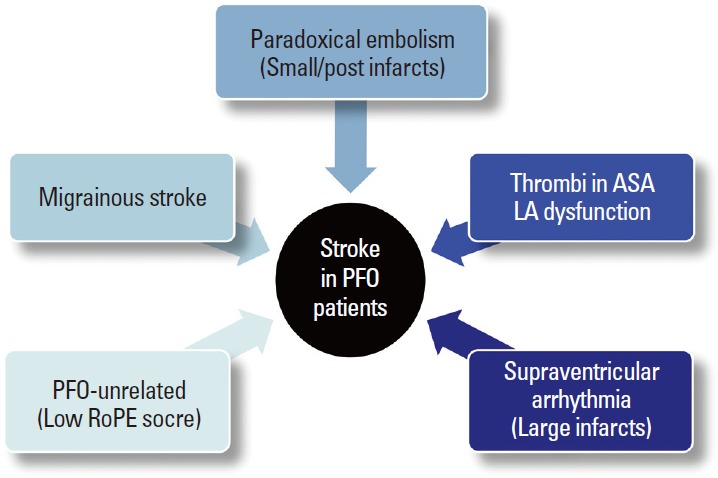
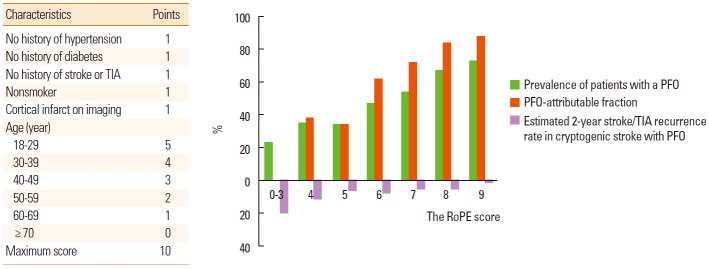
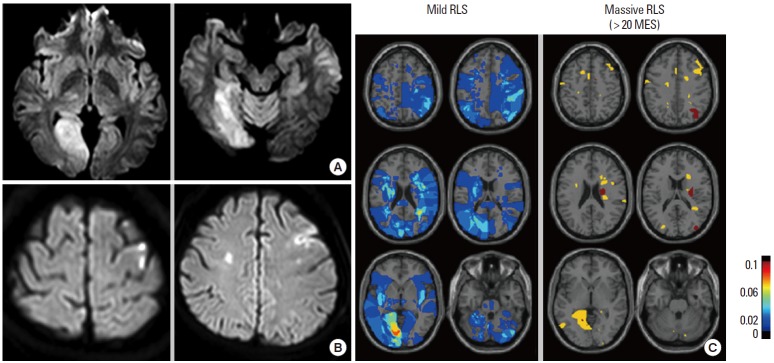
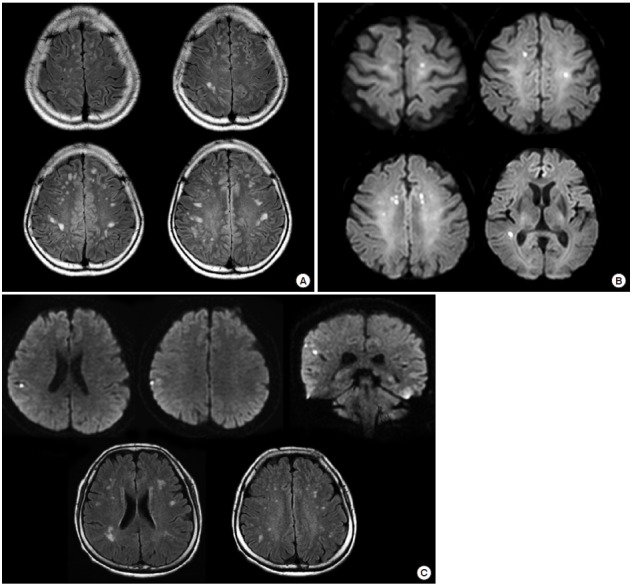
Patent foramen ovale (PFO) is growing in clinical interest because of a renewed focus on embolic stroke of undetermined source (ESUS), the PFO attributable fraction (the 10-point Risk of Paradoxical Embolism score), technical advances in PFO diagnosis, and the emergence of endovascular device closure as a treatment option. However, recent randomized controlled trials of the management of patients with ESUS and PFO failed to demonstrate the superiority of closure over medical treatment. The mechanisms of stroke other than paradoxical embolism may be important in patients with ESUS and PFO. This paper reviews the current understanding of the pathophysiology of stroke and therapeutic options in patients with PFO and ESUS.
卵圆孔未闭(PFO)在临床研究中的关注度不断增加,主要是由于人们对不明来源栓塞性卒中(ESUS)、PFO 相关比例(10 分矛盾栓塞风险评分)、PFO 诊断技术进步以及血管内装置封堵术作为一种治疗选择的重新关注。然而,最近针对 ESUS 和 PFO 患者管理的随机对照试验未能证明封堵术优于药物治疗。除了矛盾栓塞之外的其他卒中机制在 ESUS 和 PFO 患者中可能很重要。本文综述了目前对 PFO 和 ESUS 患者卒中病理生理学和治疗选择的理解。