Hajsadeghi Shokoufeh, Mohammadpour Fatemeh, Manteghi Mohammad Javad, Kordshakeri Kiarash, Tokazebani Masoud, Rahmani Elham, Hassanzadeh Morteza
Department of Cardiology, Rasoul-e-Akram Hospital, Faculty of Medicine, Iran University of Medical Sciences; Tehran-Iran.
Anatol J Cardiol. 2016 Feb;16(2):94-9. doi: 10.5152/akd.2015.5930. Epub 2015 Mar 23.
To evaluate the effects of the consumption of energy drinks on cardiovascular parameters in a group of healthy young individuals.
In a quasi-experimental study, 44 healthy adult participants aged between 15 and 30 years were evaluated. The blood pressure (BP) as well as electrocardiographic indices, including heart rate (HR), PR interval, QRS duration, corrected QT (QTc) interval, and ST-T changes were recorded before consumption of a caffeine-containing energy drink and at the specific time points over a 4-h test duration.
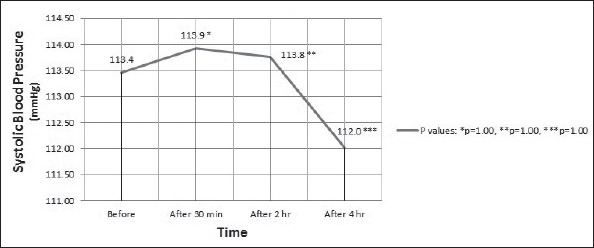
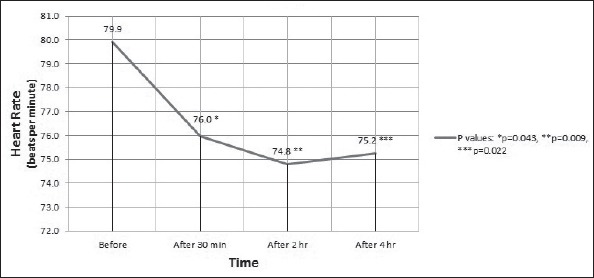
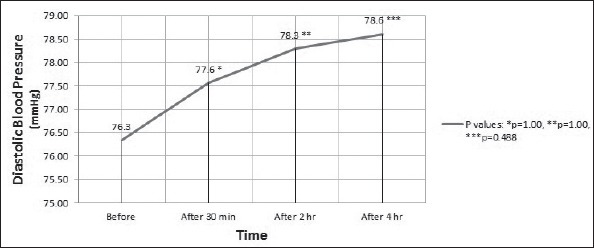
We found statistically significant HR decline (p=0.004) and more frequent ST-T changes (p=0.004) after the participants consumed the energy drink. However, readings for systolic BP (p=0.44), diastolic BP (p=0.26), PR interval (p=0.449), QRS duration (p=0.235), and QTc interval (p=0.953) showed no significant change post-consumption.
In conclusion, we demonstrated that the consumption of energy drinks could contribute to HR decline and ST-T change in healthy young adults.
评估饮用能量饮料对一组健康年轻个体心血管参数的影响。
在一项准实验研究中,对44名年龄在15至30岁之间的健康成年参与者进行了评估。在饮用含咖啡因的能量饮料之前以及在4小时测试期间的特定时间点,记录血压(BP)以及心电图指标,包括心率(HR)、PR间期、QRS时限、校正QT(QTc)间期和ST-T改变。
我们发现参与者饮用能量饮料后,心率有统计学意义的下降(p = 0.004),ST-T改变更频繁(p = 0.004)。然而,收缩压(p = 0.44)、舒张压(p = 0.26)、PR间期(p = 0.449)、QRS时限(p = 0.235)和QTc间期(p = 0.953)的读数在饮用后无显著变化。
总之,我们证明饮用能量饮料可能会导致健康年轻成年人的心率下降和ST-T改变。