Jones Ian L, Russell Thomas L, Farrow Karl, Fiscella Michele, Franke Felix, Müller Jan, Jäckel David, Hierlemann Andreas
Bio Engineering Laboratory, Department of Biosystems Science and Engineering, ETH Zurich Basel, Switzerland.
Visual Circuits Laboratory, Neuroelectronics Research Flanders Leuven, Belgium ; NERF, Imec Leuven, Belgium ; Department of Biology, KU Leuven Leuven, Belgium.
Front Neurosci. 2015 Oct 13;9:360. doi: 10.3389/fnins.2015.00360. eCollection 2015.
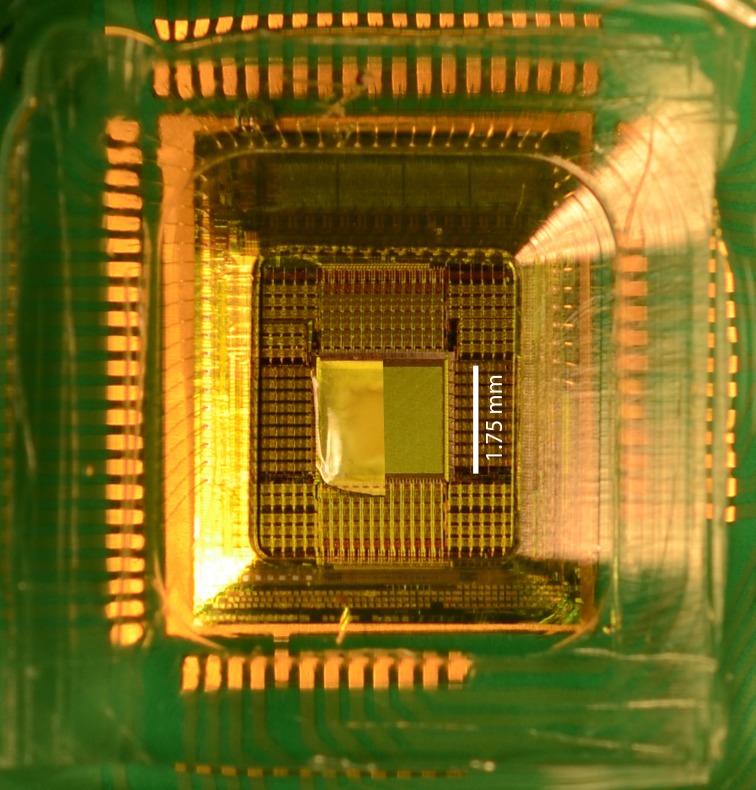
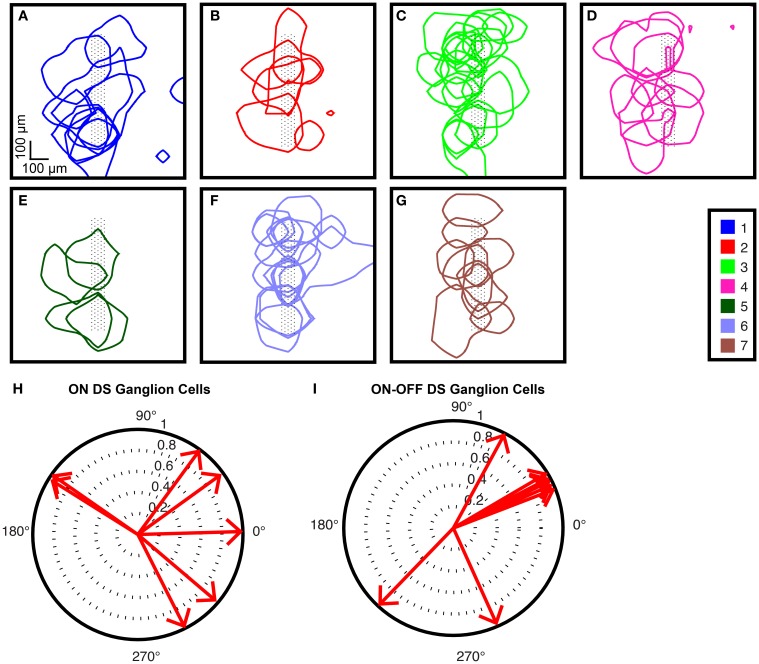
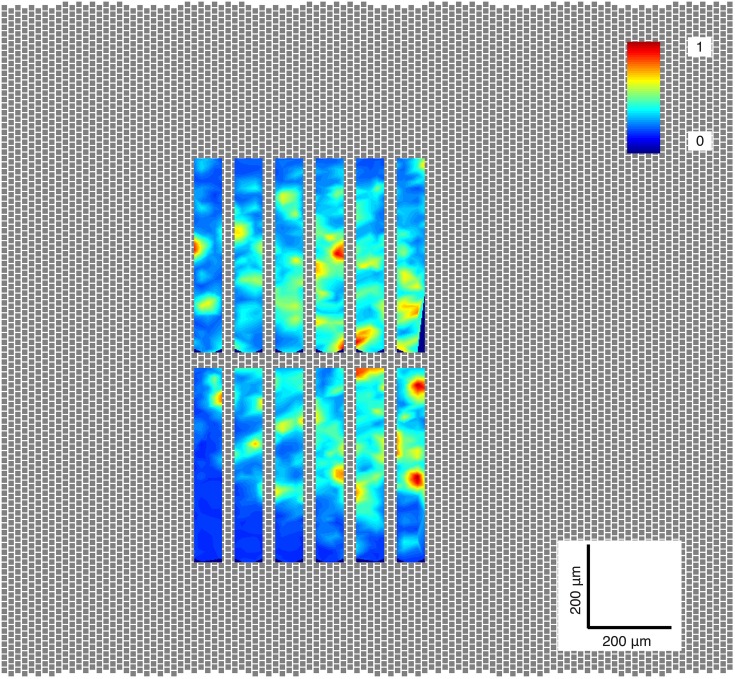
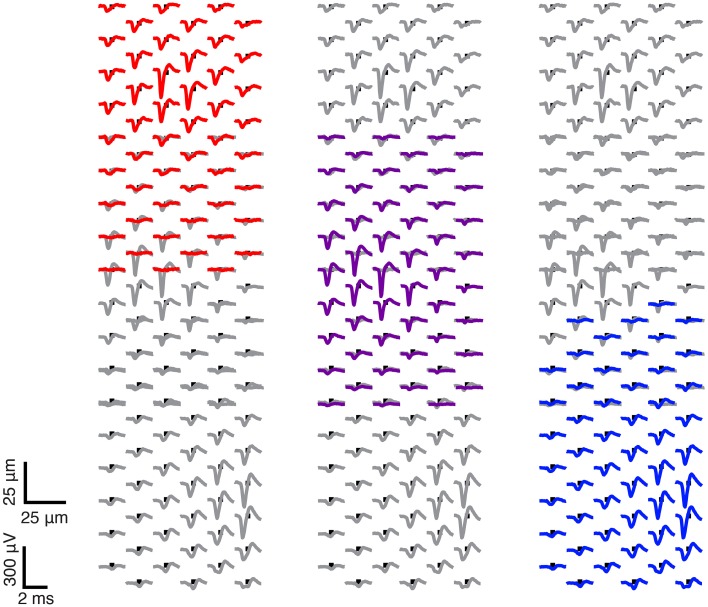
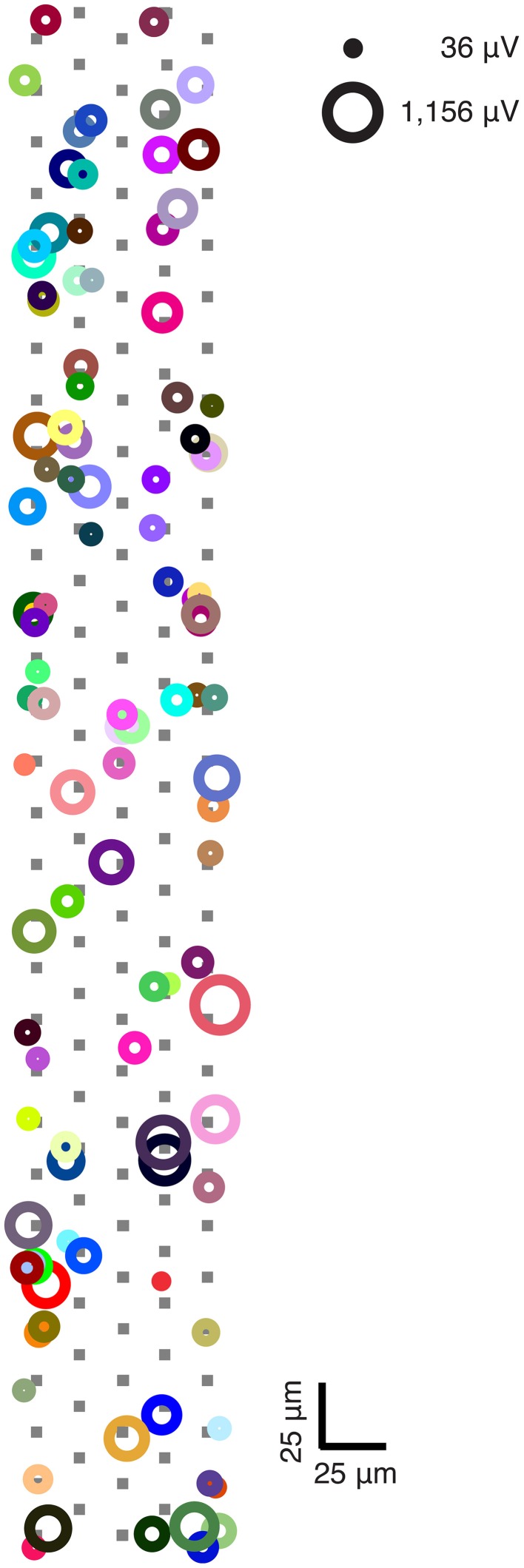
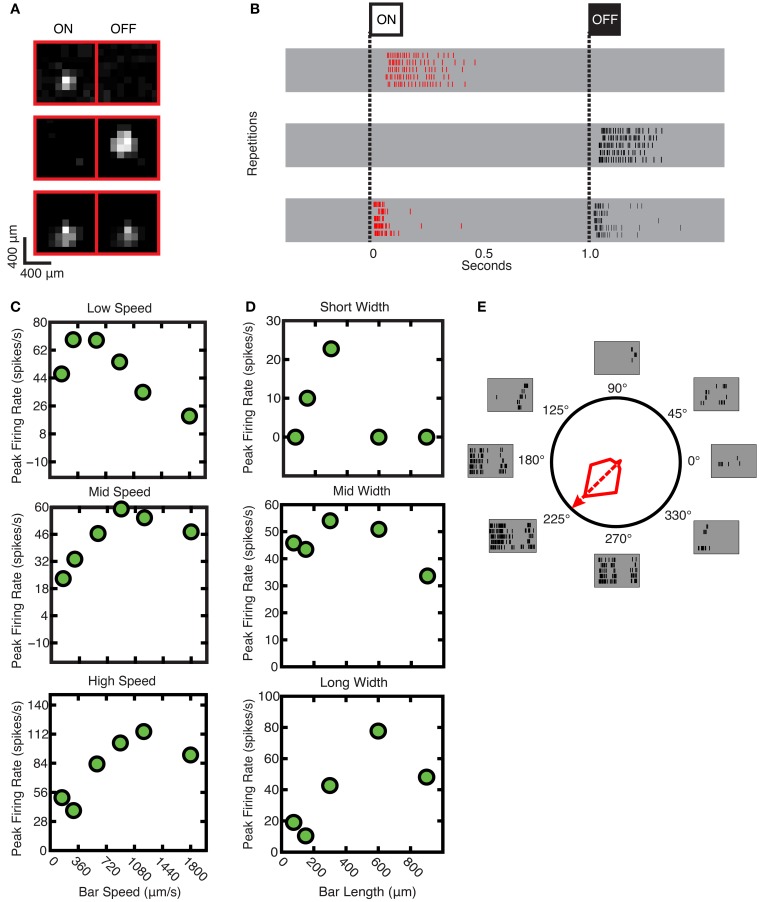
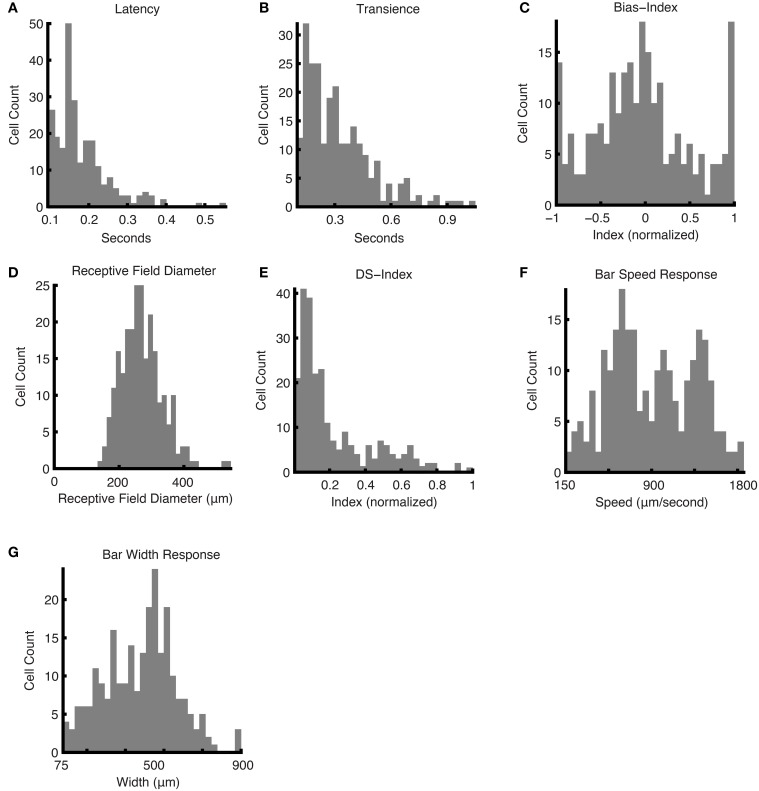
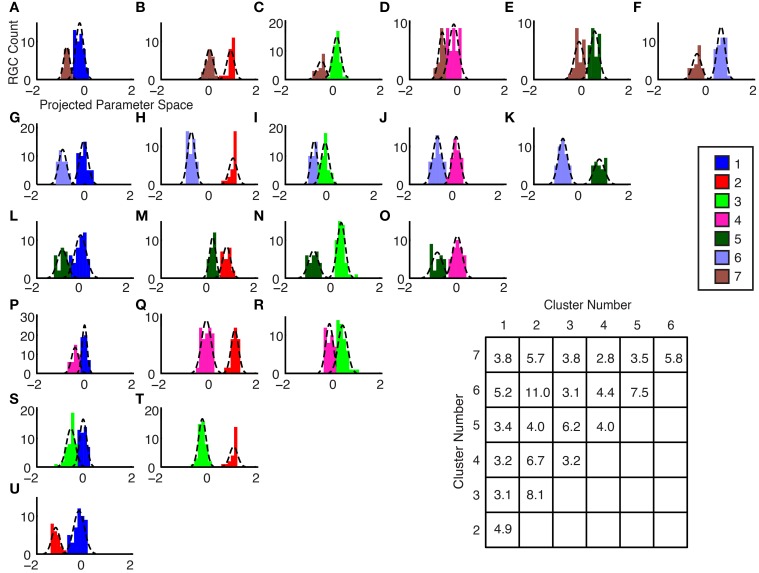
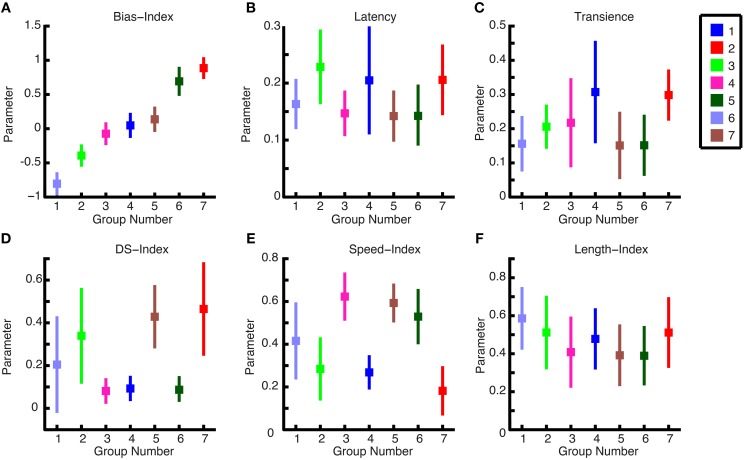
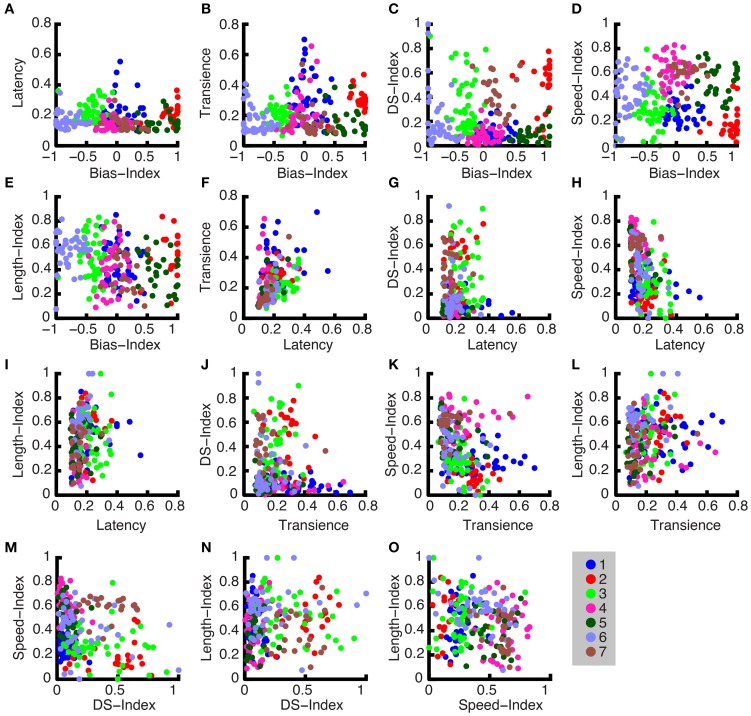
Knowledge of neuronal cell types in the mammalian retina is important for the understanding of human retinal disease and the advancement of sight-restoring technology, such as retinal prosthetic devices. A somewhat less utilized animal model for retinal research is the hamster, which has a visual system that is characterized by an area centralis and a wide visual field with a broad binocular component. The hamster retina is optimally suited for recording on the microelectrode array (MEA), because it intrinsically lies flat on the MEA surface and yields robust, large-amplitude signals. However, information in the literature about hamster retinal ganglion cell functional types is scarce. The goal of our work is to develop a method featuring a high-density (HD) complementary metal-oxide-semiconductor (CMOS) MEA technology along with a sequence of standardized visual stimuli in order to categorize ganglion cells in isolated Syrian Hamster (Mesocricetus auratus) retina. Since the HD-MEA is capable of recording at a higher spatial resolution than most MEA systems (17.5 μm electrode pitch), we were able to record from a large proportion of RGCs within a selected region. Secondly, we chose our stimuli so that they could be run during the experiment without intervention or computation steps. The visual stimulus set was designed to activate the receptive fields of most ganglion cells in parallel and to incorporate various visual features to which different cell types respond uniquely. Based on the ganglion cell responses, basic cell properties were determined: direction selectivity, speed tuning, width tuning, transience, and latency. These properties were clustered to identify ganglion cell types in the hamster retina. Ultimately, we recorded up to a cell density of 2780 cells/mm(2) at 2 mm (42°) from the optic nerve head. Using five parameters extracted from the responses to visual stimuli, we obtained seven ganglion cell types.
了解哺乳动物视网膜中的神经元细胞类型对于理解人类视网膜疾病以及推进视力恢复技术(如视网膜假体装置)至关重要。仓鼠是一种在视网膜研究中较少使用的动物模型,其视觉系统的特点是有一个中央凹区域和一个具有广泛双眼成分的广阔视野。仓鼠视网膜非常适合在微电极阵列(MEA)上进行记录,因为它本质上平放在MEA表面并产生强大的大幅度信号。然而,文献中关于仓鼠视网膜神经节细胞功能类型的信息很少。我们工作的目标是开发一种方法,该方法采用高密度(HD)互补金属氧化物半导体(CMOS)MEA技术以及一系列标准化视觉刺激,以便对分离的叙利亚仓鼠(Mesocricetus auratus)视网膜中的神经节细胞进行分类。由于HD-MEA能够以比大多数MEA系统更高的空间分辨率进行记录(电极间距为17.5μm),我们能够在选定区域内从很大比例的视网膜神经节细胞(RGCs)进行记录。其次,我们选择的刺激方式使得它们可以在实验过程中无需干预或计算步骤即可运行。视觉刺激集的设计旨在并行激活大多数神经节细胞的感受野,并纳入不同细胞类型独特响应的各种视觉特征。基于神经节细胞的反应,确定了基本的细胞特性:方向选择性、速度调谐、宽度调谐、瞬态性和潜伏期。这些特性被聚类以识别仓鼠视网膜中的神经节细胞类型。最终,我们在距离视神经乳头2mm(42°)处记录到细胞密度高达2780个细胞/mm²。利用从视觉刺激反应中提取的五个参数,我们获得了七种神经节细胞类型。