Ng Charmaine, Le Thai-Hoang, Goh Shin Giek, Liang Liang, Kim Yiseul, Rose Joan B, Yew-Hoong Karina Gin
National University of Singapore, Department of Civil and Environmental Engineering, Singapore, Singapore.
Michigan State University, Department of Microbiology and Molecular Genetics, East Lansing, Michigan, United States of America.
PLoS One. 2015 Nov 17;10(11):e0143123. doi: 10.1371/journal.pone.0143123. eCollection 2015.
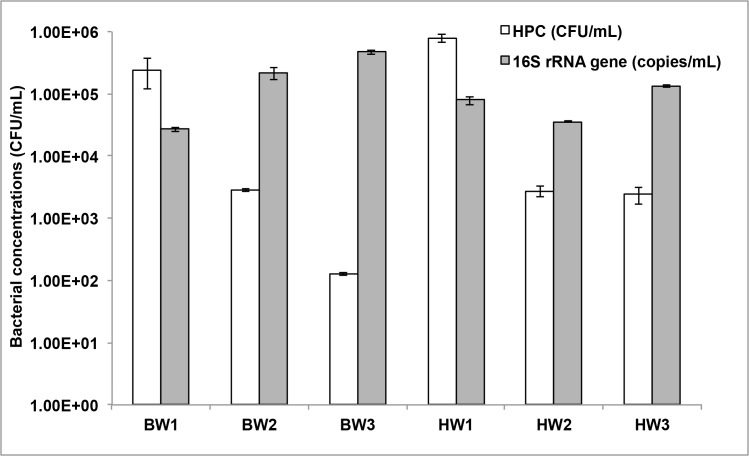
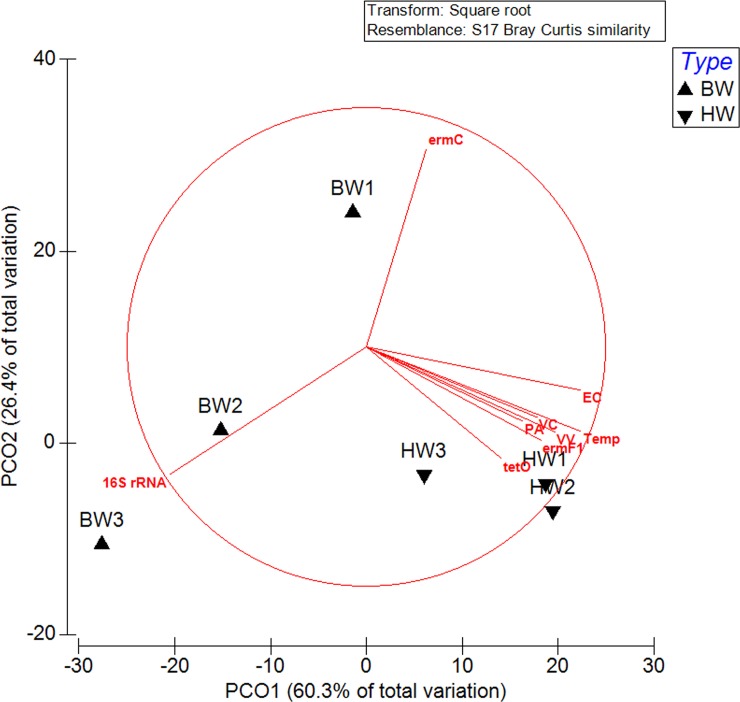
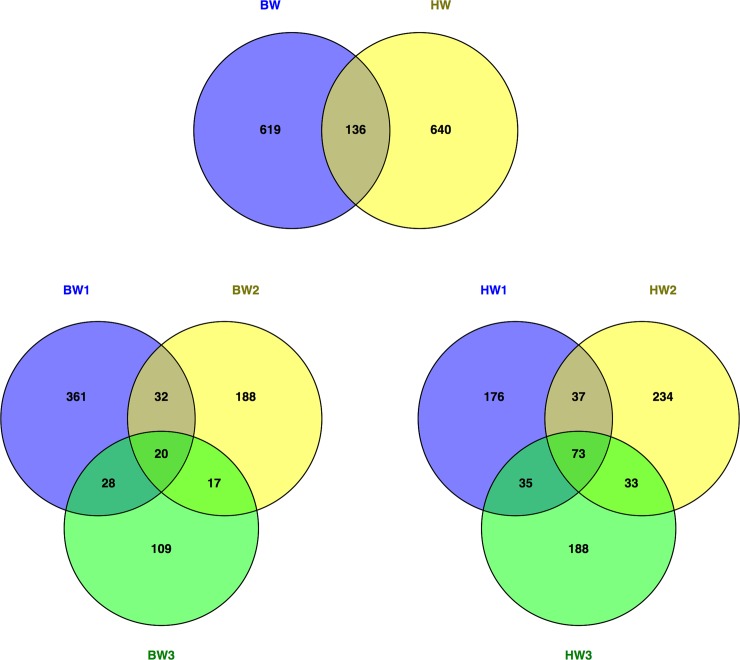
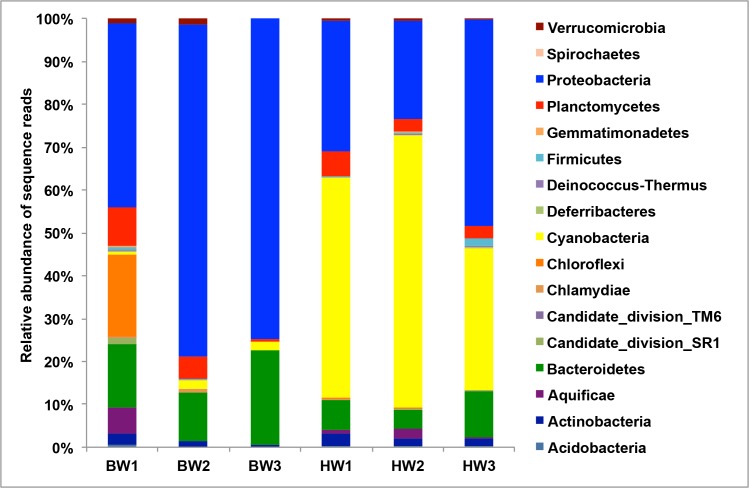
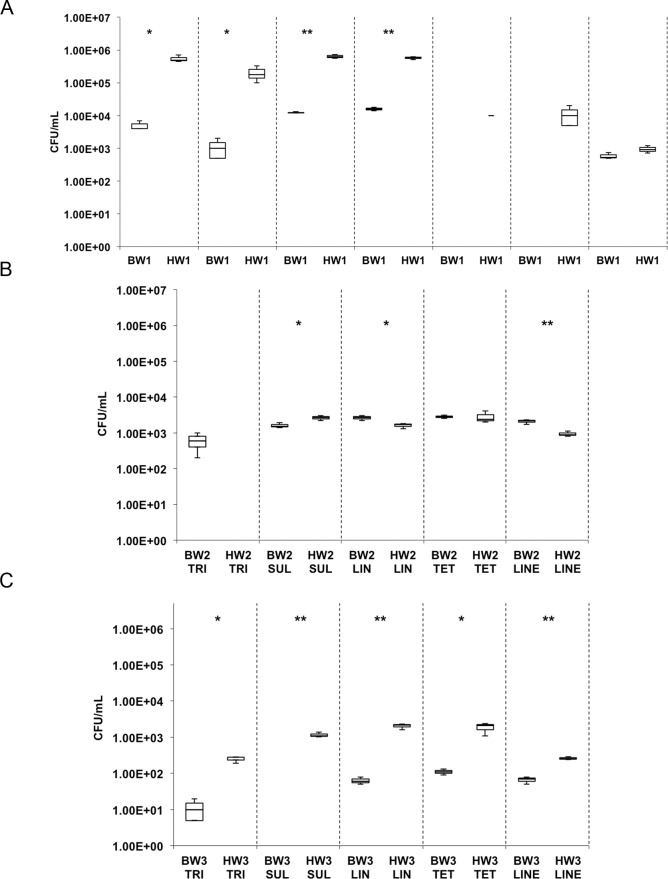
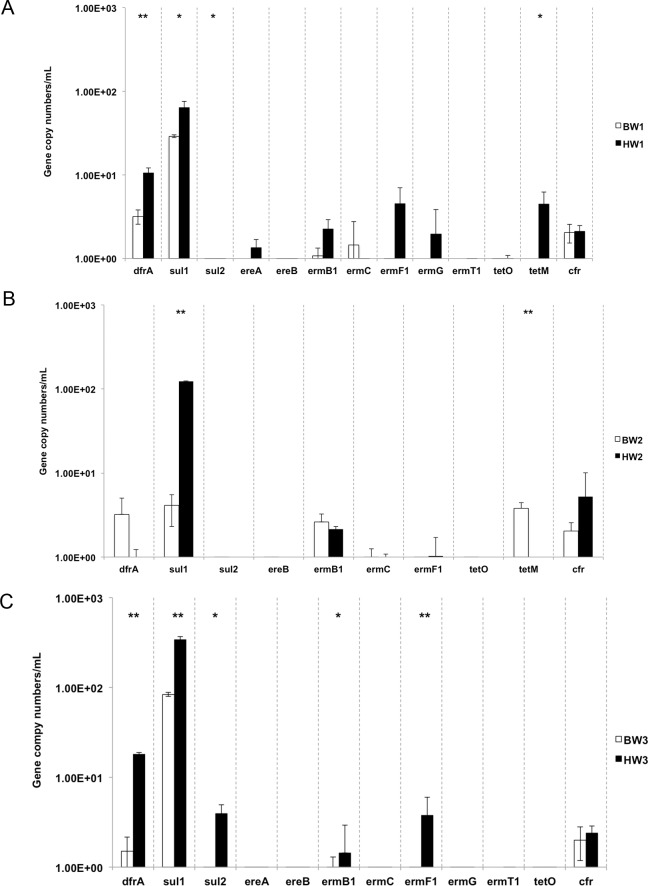
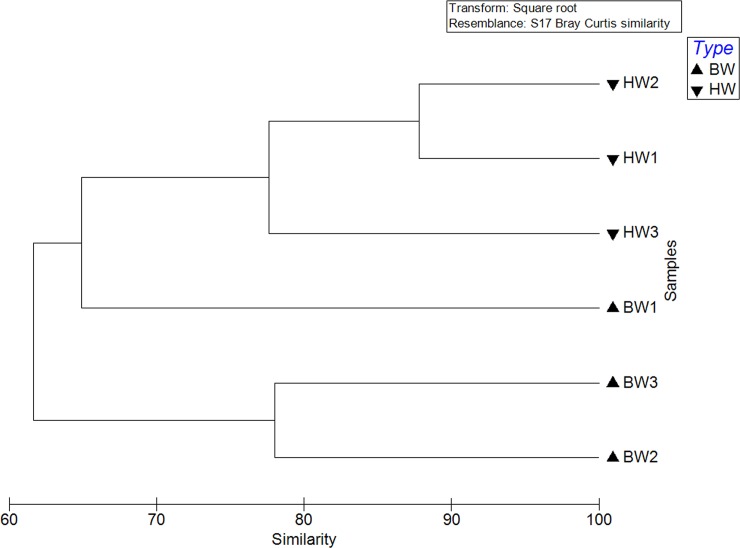
Indicator organisms and antibiotic resistance were used as a proxy to measure microbial water quality of ballast tanks of ships, and surface waters in a tropical harbor. The survival of marine bacteria in ballast tanks appeared to diminish over longer water retention time, with a reduction of cell viability observed after a week based on heterotrophic plate counts. Pyrosequencing of 16S rRNA genes showed distinct differences in microbial composition of ballast and harbor waters. The harbor waters had a higher abundance of operational taxonomic units (OTUs) assigned to Cyanobacteria (Synechococcus spp.) and α-proteobacteria (SAR11 members), while marine hydrocarbon degraders such as γ-proteobacteria (Ocenspirillaes spp., Thiotrchales spp.) and Bacteroidetes (Flavobacteriales spp.) dominated the ballast water samples. Screening of indicator organisms found Escherichia coli (E. coli), Enterococcus and Pseudomonas aeruginosa (P. aeruginosa) in two or more of the ballast and harbor water samples tested. Vibrio spp. and Salmonella spp. were detected exclusively in harbor water samples. Using quantitative PCR (qPCR), we screened for 13 antibiotic resistant gene (ARG) targets and found higher abundances of sul1 (4.13-3.44 x 10² copies/mL), dfrA (0.77-1.80 x10 copies/mL) and cfr (2.00-5.21 copies/mL) genes compared to the other ARG targets selected for this survey. These genes encode for resistance to sulfonamides, trimethoprim and chloramphenicol-florfenicol antibiotics, which are also known to persist in sediments of aquaculture farms and coastal environments. Among the ARGs screened, we found significant correlations (P<0.05) between ereA, ermG, cfr and tetO genes to one or more of the indicator organisms detected in this study, which may suggest that these members contribute to the environmental resistome. This study provides a baseline water quality survey, quantitatively assessing indicators of antibiotic resistance, potentially pathogenic organisms and a broad-brush description of difference in microbial composition and diversity between open oceans and tropical coastal environments through the use of next generation sequencing technology.
指示生物和抗生素抗性被用作衡量船舶压载水舱以及热带港口地表水微生物水质的替代指标。随着保水时间延长,压载水舱中海洋细菌的存活率似乎会降低,基于异养平板计数法,一周后可观察到细胞活力下降。对16S rRNA基因进行焦磷酸测序显示,压载水和港口水的微生物组成存在明显差异。港口水中被归类为蓝藻(聚球藻属)和α-变形菌(SAR11成员)的可操作分类单元(OTU)丰度更高,而海洋烃降解菌,如γ-变形菌(食烷菌属、硫发菌属)和拟杆菌门(黄杆菌目)则在压载水样本中占主导地位。在测试的两个或更多压载水和港口水样本中,指示生物筛查发现了大肠杆菌、肠球菌和铜绿假单胞菌。弧菌属和沙门氏菌属仅在港口水样本中被检测到。使用定量PCR(qPCR),我们筛选了13个抗生素抗性基因(ARG)靶点,发现与本次调查选择的其他ARG靶点相比,磺胺类耐药基因sul1(4.13 - 3.44×10²拷贝/毫升)、二氢叶酸还原酶耐药基因dfrA(0.77 - 1.80×10拷贝/毫升)和氯霉素-氟苯尼考耐药基因cfr(2.00 - 5.21拷贝/毫升)的丰度更高。这些基因编码对磺胺类、甲氧苄啶和氯霉素-氟苯尼考抗生素的抗性,这些抗生素在水产养殖场和沿海环境的沉积物中也有残留。在所筛选的ARG中,我们发现ereA、ermG、cfr和tetO基因与本研究中检测到的一种或多种指示生物之间存在显著相关性(P<0.05),这可能表明这些成员对环境抗性组有贡献。本研究提供了一项基线水质调查,通过使用下一代测序技术,定量评估抗生素抗性指标、潜在致病生物,并对开阔海洋和热带沿海环境之间微生物组成和多样性的差异进行大致描述。