Asner Liya, Hadjicharalambous Myrianthi, Chabiniok Radomir, Peresutti Devis, Sammut Eva, Wong James, Carr-White Gerald, Chowienczyk Philip, Lee Jack, King Andrew, Smith Nicolas, Razavi Reza, Nordsletten David
Division of Imaging Sciences and Biomedical Engineering, St Thomas' Hospital, King's College London, 4th Floor, Lambeth Wing, London, SE1 7EH, UK.
Inria Saclay Ile-de-France, MΞDISIM Team, Palaiseau, France.
Biomech Model Mechanobiol. 2016 Oct;15(5):1121-39. doi: 10.1007/s10237-015-0748-z. Epub 2015 Nov 26.
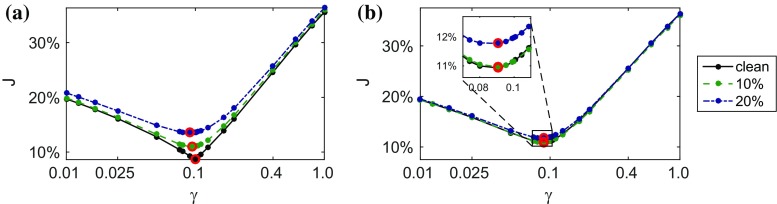
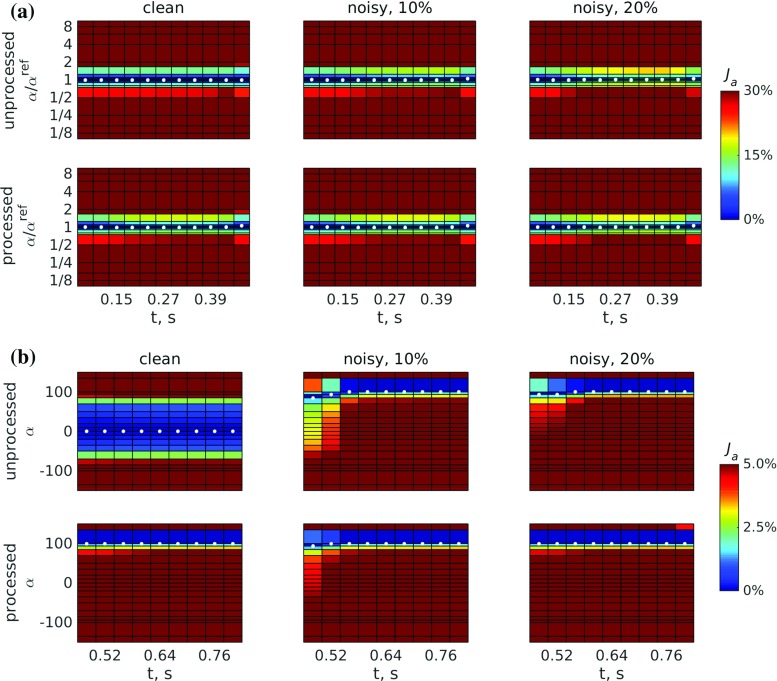
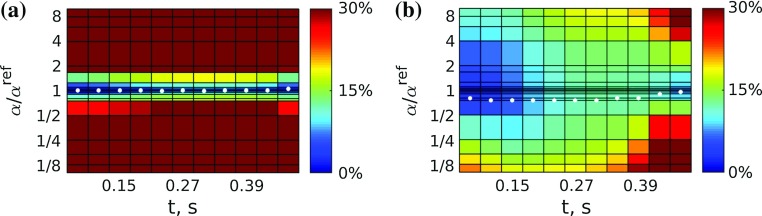
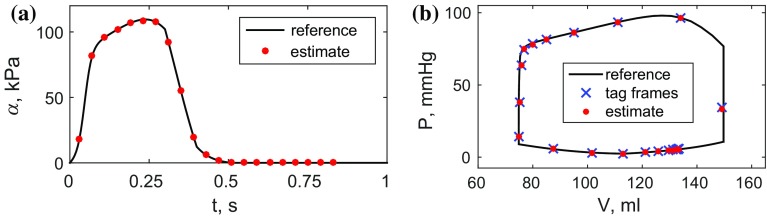
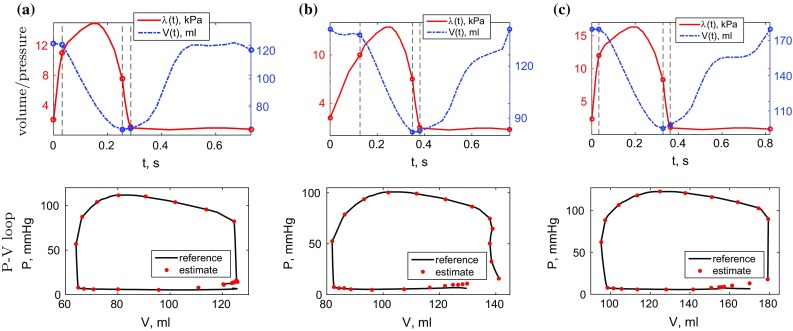
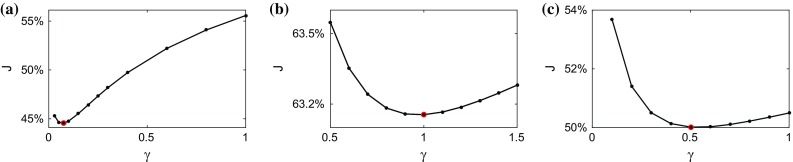
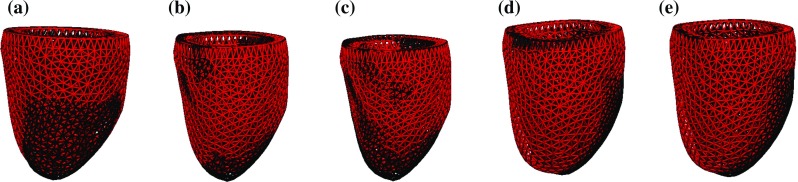
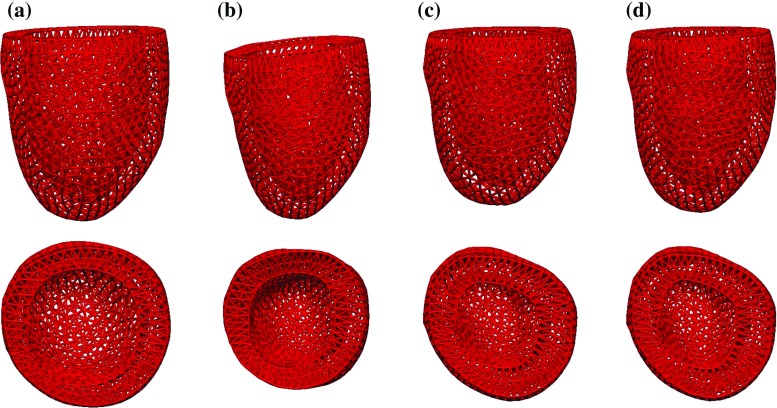
Advances in medical imaging and image processing are paving the way for personalised cardiac biomechanical modelling. Models provide the capacity to relate kinematics to dynamics and-through patient-specific modelling-derived material parameters to underlying cardiac muscle pathologies. However, for clinical utility to be achieved, model-based analyses mandate robust model selection and parameterisation. In this paper, we introduce a patient-specific biomechanical model for the left ventricle aiming to balance model fidelity with parameter identifiability. Using non-invasive data and common clinical surrogates, we illustrate unique identifiability of passive and active parameters over the full cardiac cycle. Identifiability and accuracy of the estimates in the presence of controlled noise are verified with a number of in silico datasets. Unique parametrisation is then obtained for three datasets acquired in vivo. The model predictions show good agreement with the data extracted from the images providing a pipeline for personalised biomechanical analysis.
医学成像和图像处理的进展为个性化心脏生物力学建模铺平了道路。模型能够将运动学与动力学联系起来,并通过特定患者建模得出的材料参数与潜在的心肌病变联系起来。然而,要实现临床应用,基于模型的分析需要强大的模型选择和参数化。在本文中,我们介绍了一种针对左心室的特定患者生物力学模型,旨在平衡模型保真度和参数可识别性。使用非侵入性数据和常见的临床替代指标,我们展示了在整个心动周期中被动和主动参数的独特可识别性。通过多个计算机模拟数据集验证了在存在受控噪声情况下估计值的可识别性和准确性。然后为三个体内采集的数据集获得了独特的参数化。模型预测与从图像中提取的数据显示出良好的一致性,为个性化生物力学分析提供了一个流程。