Blakey Emma, Visser Ingmar, Carroll Daniel J
The University of Sheffield.
The University of Amsterdam.
Child Dev. 2016 Mar-Apr;87(2):513-26. doi: 10.1111/cdev.12468. Epub 2015 Dec 11.
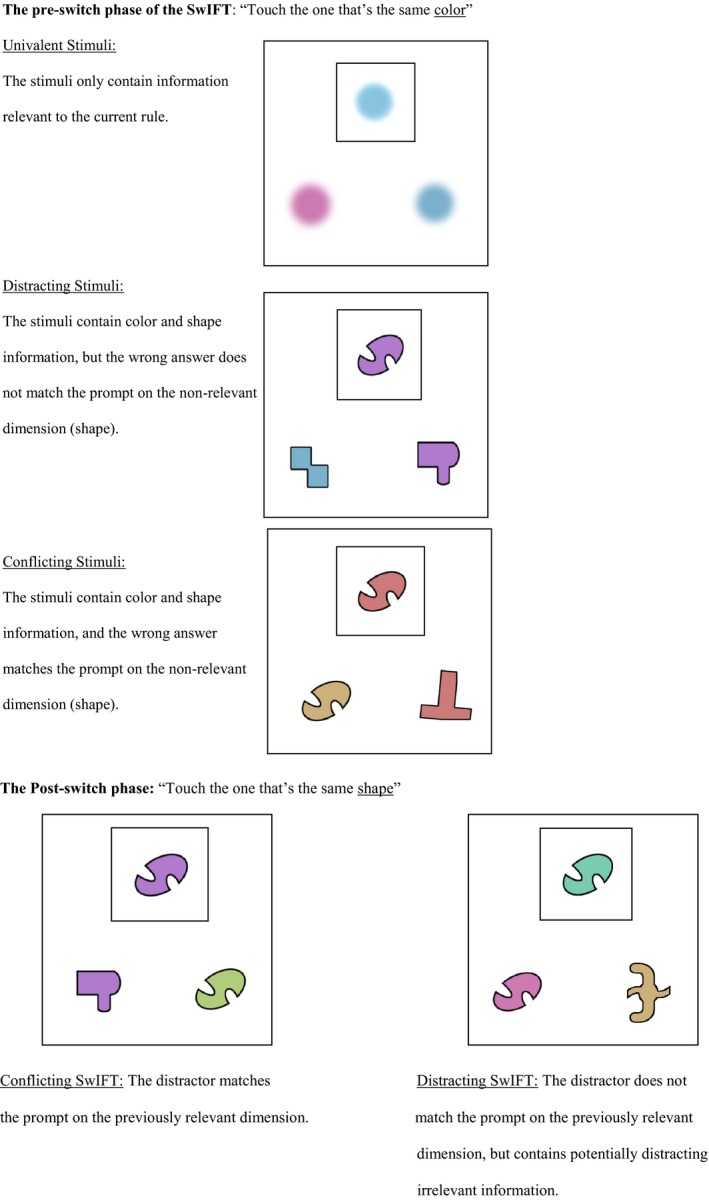
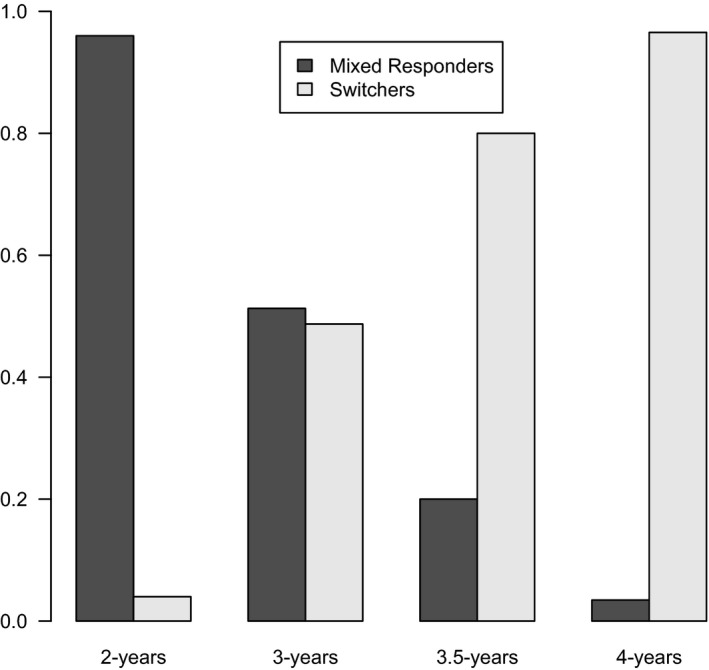
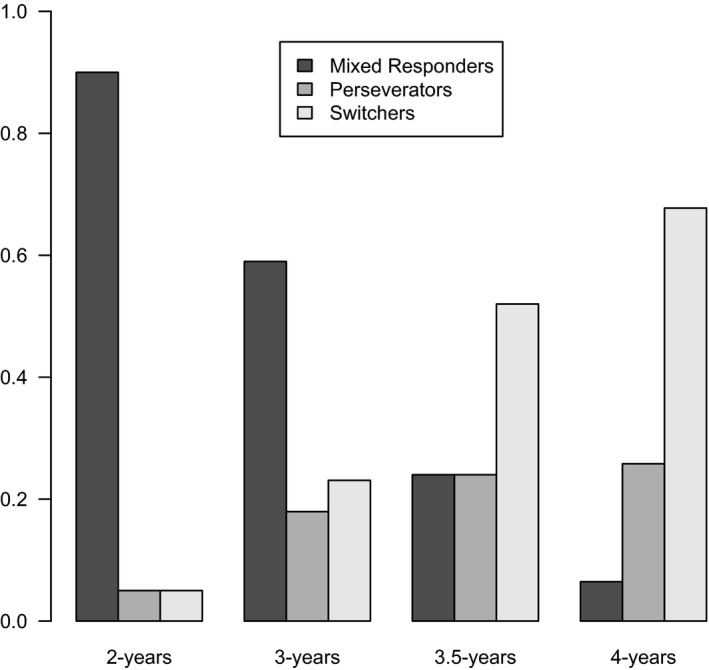
Improvements in cognitive flexibility during the preschool years have been linked to developments in both working memory and inhibitory control, though the precise contribution of each remains unclear. In the current study, one hundred and twenty 2-, 3-, and 4-year-olds completed two rule-switching tasks. In one version, children switched rules in the presence of conflicting information, and in the other version, children switched rules in the presence of distracting information. Switching in the presence of conflict improved rapidly between the ages of 3 and 3.5 years, and was associated with better working memory. Conversely, switching in the presence of distraction developed significantly between the ages of 2 and 3 years, and was associated with better inhibitory control.
学龄前儿童认知灵活性的提高与工作记忆和抑制控制的发展有关,尽管两者的确切作用仍不清楚。在本研究中,120名2岁、3岁和4岁的儿童完成了两项规则转换任务。在一个版本中,儿童在存在冲突信息的情况下转换规则,在另一个版本中,儿童在存在干扰信息的情况下转换规则。在冲突情况下的转换在3岁至3.5岁之间迅速改善,并且与更好的工作记忆相关。相反,在干扰情况下的转换在2岁至3岁之间显著发展,并且与更好的抑制控制相关。