Tahmasbi Soodeh, Ghorbani Mohammad, Masudrad Mahdis
Assistant Professor, Department of Orthodontics, Faculty of Dentistry, Shahid Beheshti University of Medical Sciences, Tehran, Iran.
Professor, Department of Materials and Engineering, Sharif University of Technology, Azadi Avenue, Tehran, Iran.
J Dent Res Dent Clin Dent Prospects. 2015 Summer;9(3):159-65. doi: 10.15171/joddd.2015.030. Epub 2015 Sep 16.
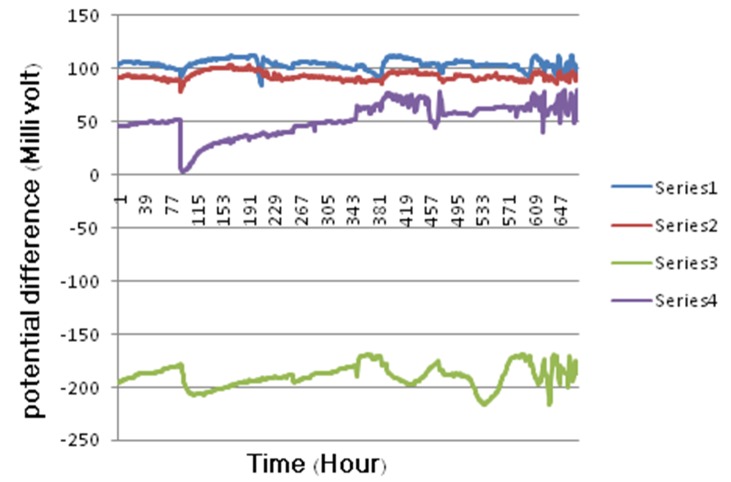
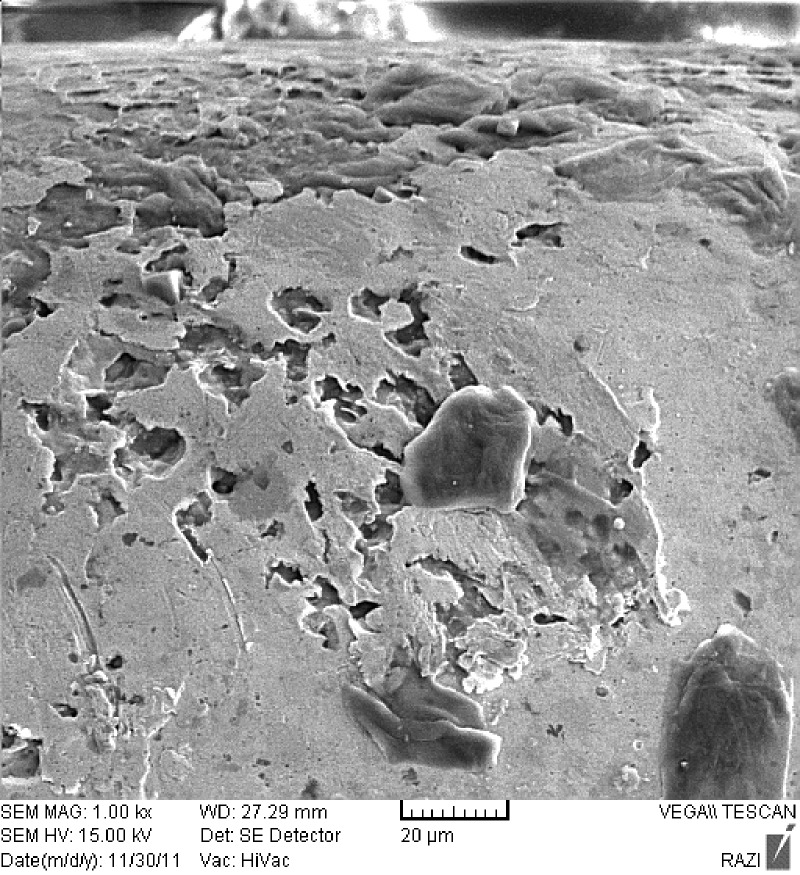
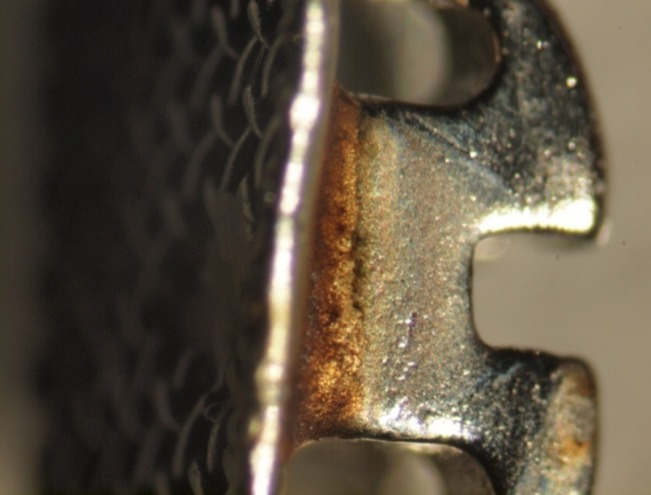
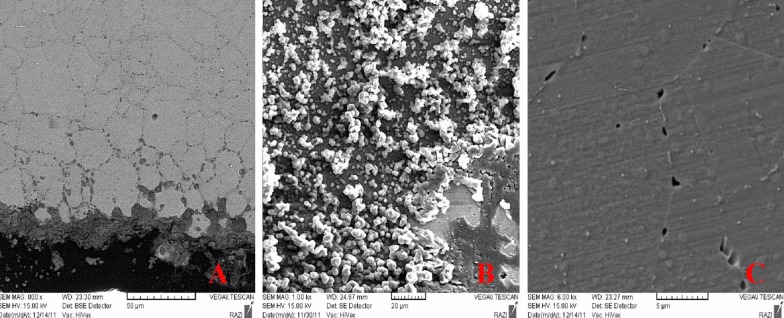
Background and aims. This study compared the galvanic corrosion of orthodontic wires and brackets from various manufacturers following exposure to a fluoride mouthwash. Materials and methods. This study was conducted on 24 lower central incisor 0.022" Roth brackets of four different commercially available brands (Dentaurum, American Orthodontics, ORJ, Shinye). These brackets along with stainless steel (SS) or nickel-titanium (NiTi) orthodontic wires (0.016", round) were immersed in Oral-B mouthwash containing 0.05% sodium fluoride for 28 days. The electric potential (EP) difference of each bracket-wire couple was measured with a Saturated Calomel Reference Electrode (Ag/AgCl saturated with KCl) via a voltmeter. The ions released in the electrolyte weremeasured with an atomic absorption spectrometer. All the specimens were assessed under a stereomicroscope and specimens with corrosion were analyzed with scanning electron microscopy (SEM). Data were analyzed using ANOVA. Results. The copper ions released from specimens with NiTi wire were greater than those of samples containing SS wire. ORJ brackets released more Cu ions than other samples. The Ni ions released from Shinye brackets were significantly more than those of other specimens (P < 0.05). Corrosion rate of brackets coupled with NiTi wires was higher than that of brackets coupled with SS wires. Light and electron microscopic observations showed greater corrosion of ORJ brackets. Conclusion. In fluoride mouthwash, Shinye and ORJ brackets exhibited greater corrosion than Dentaurum and American Orthodontics brackets. Stainless steel brackets used with NiTi wires showed greater corrosion and thus caution is recommended when using them.
背景与目的。本研究比较了不同制造商生产的正畸丝和托槽在接触含氟漱口水后的电偶腐蚀情况。
材料与方法。本研究选取了24个下颌中切牙的0.022" Roth托槽,来自四个不同的市售品牌(Dentaurum、美国正畸、ORJ、新叶)。这些托槽与不锈钢(SS)或镍钛(NiTi)正畸丝(0.016",圆形)一起浸泡在含0.05%氟化钠的欧乐-B漱口中28天。通过饱和甘汞参比电极(Ag/AgCl,KCl饱和)经电压表测量每个托槽-丝对的电势(EP)差。用电原子吸收光谱仪测量电解质中释放的离子。所有标本在立体显微镜下评估,有腐蚀的标本用扫描电子显微镜(SEM)分析。数据采用方差分析进行分析。
结果。含NiTi丝的标本释放的铜离子多于含SS丝的标本。ORJ托槽释放的铜离子比其他样品多。新叶托槽释放的镍离子明显多于其他标本(P < 0.05)。与NiTi丝连接的托槽的腐蚀速率高于与SS丝连接的托槽。光学和电子显微镜观察显示ORJ托槽腐蚀更严重。
结论。在含氟漱口中,新叶和ORJ托槽比Dentaurum和美国正畸托槽表现出更大的腐蚀。与NiTi丝一起使用的不锈钢托槽显示出更大的腐蚀,因此在使用时建议谨慎。