Puelma Touzel Maximilian, Wolf Fred
Department for Nonlinear Dynamics, Max Planck Institute for Dynamics and Self-Organization, Goettingen, Germany.
Bernstein Center for Computational Neuroscience, Goettingen, Germany.
PLoS Comput Biol. 2015 Dec 31;11(12):e1004636. doi: 10.1371/journal.pcbi.1004636. eCollection 2015 Dec.
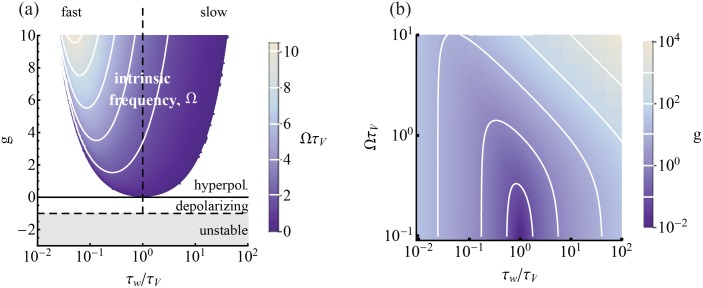
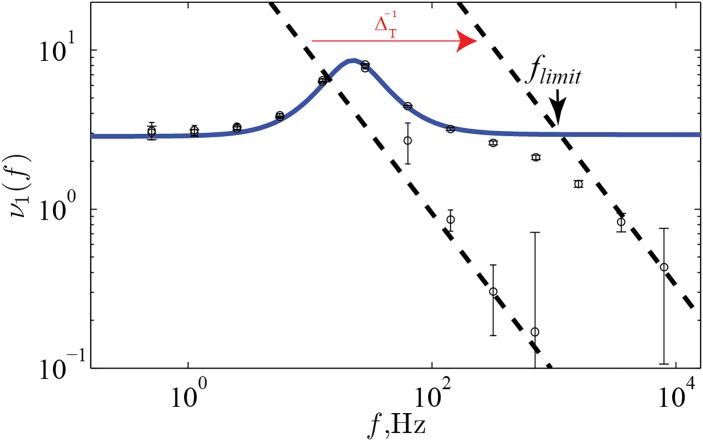
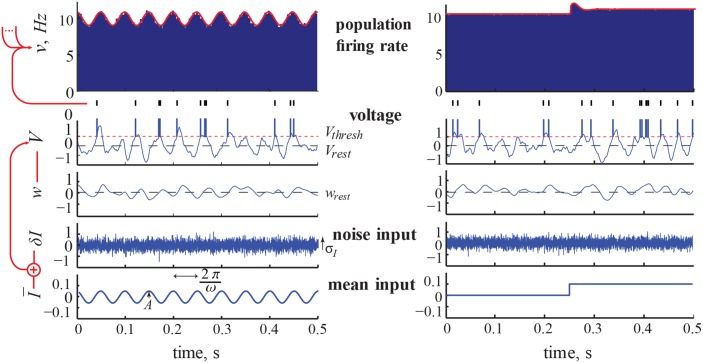
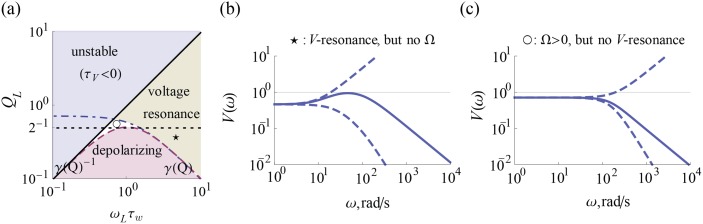
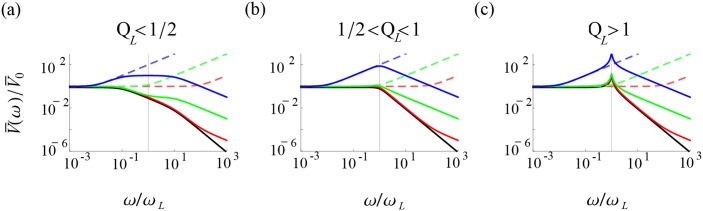
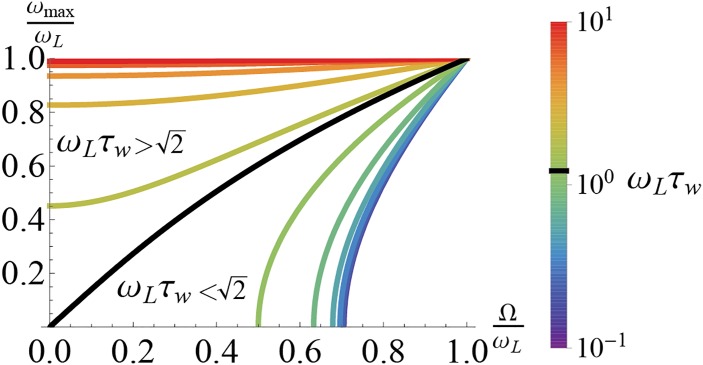
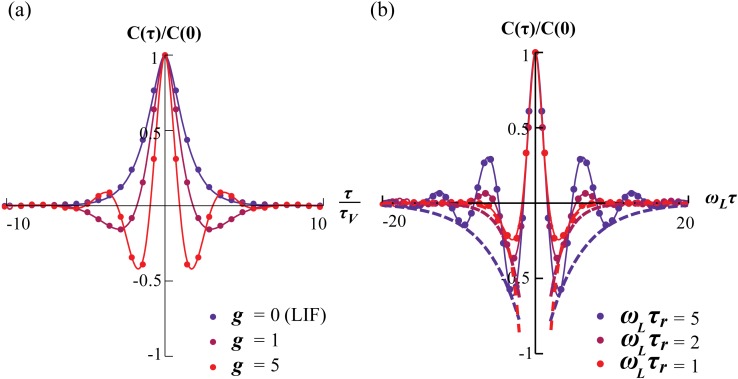
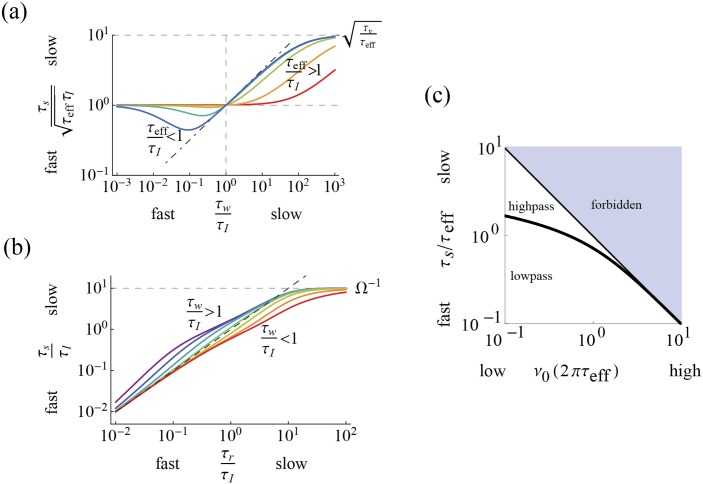
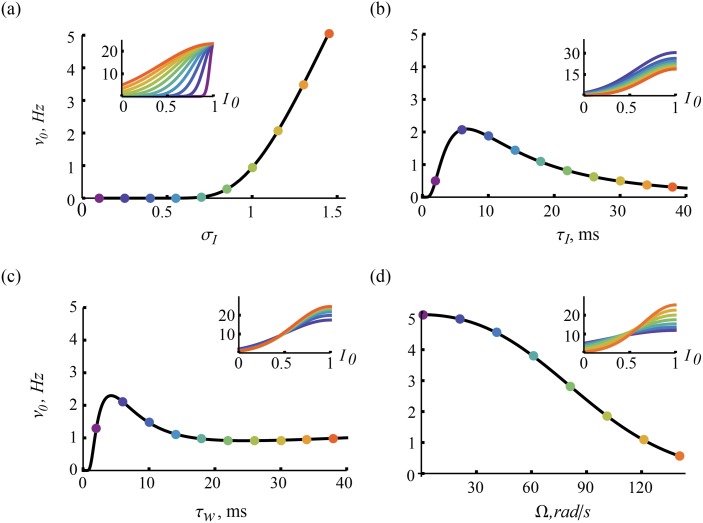
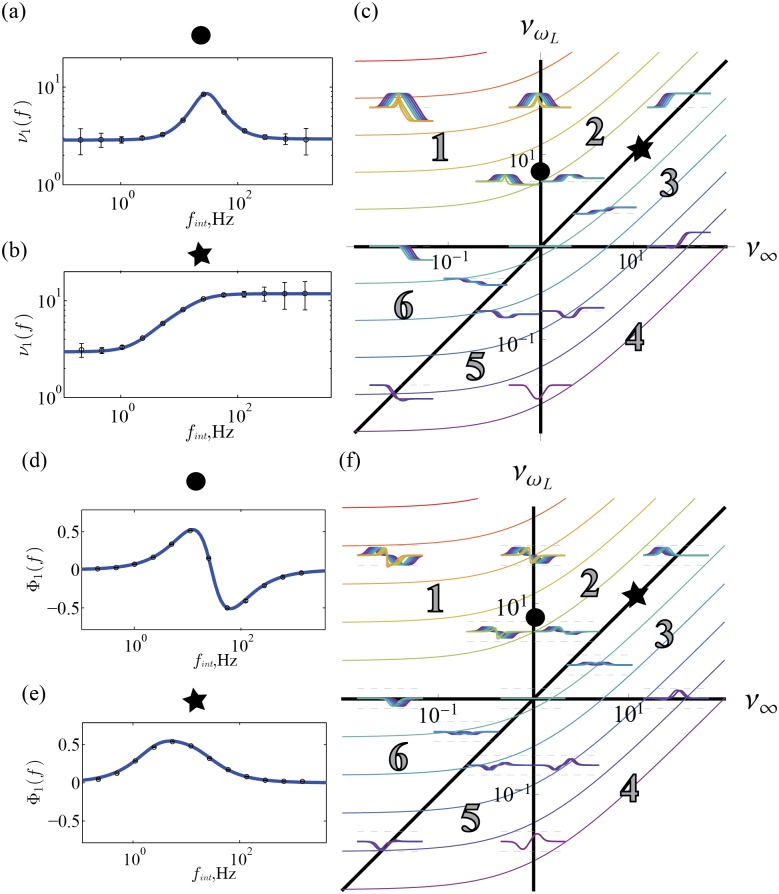
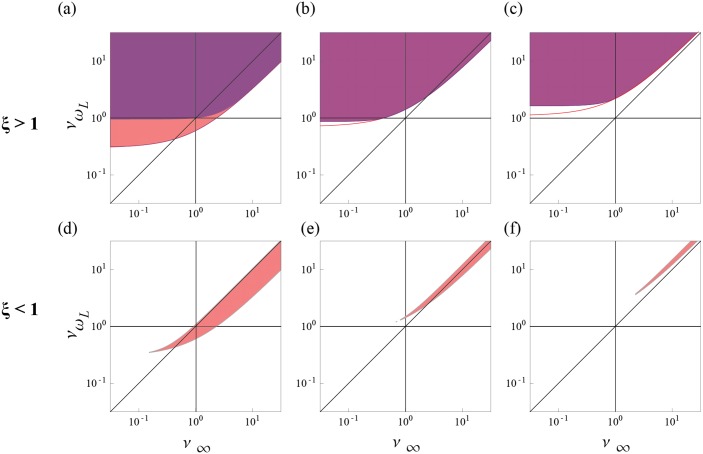
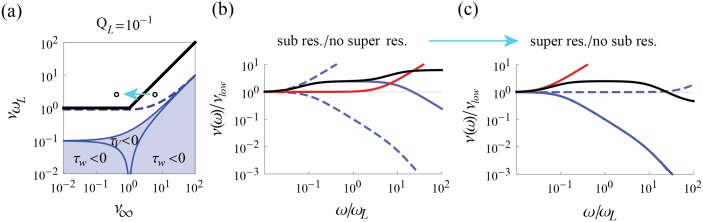
The response of a neuronal population over a space of inputs depends on the intrinsic properties of its constituent neurons. Two main modes of single neuron dynamics-integration and resonance-have been distinguished. While resonator cell types exist in a variety of brain areas, few models incorporate this feature and fewer have investigated its effects. To understand better how a resonator's frequency preference emerges from its intrinsic dynamics and contributes to its local area's population firing rate dynamics, we analyze the dynamic gain of an analytically solvable two-degree of freedom neuron model. In the Fokker-Planck approach, the dynamic gain is intractable. The alternative Gauss-Rice approach lifts the resetting of the voltage after a spike. This allows us to derive a complete expression for the dynamic gain of a resonator neuron model in terms of a cascade of filters on the input. We find six distinct response types and use them to fully characterize the routes to resonance across all values of the relevant timescales. We find that resonance arises primarily due to slow adaptation with an intrinsic frequency acting to sharpen and adjust the location of the resonant peak. We determine the parameter regions for the existence of an intrinsic frequency and for subthreshold and spiking resonance, finding all possible intersections of the three. The expressions and analysis presented here provide an account of how intrinsic neuron dynamics shape dynamic population response properties and can facilitate the construction of an exact theory of correlations and stability of population activity in networks containing populations of resonator neurons.
神经元群体在输入空间上的响应取决于其组成神经元的内在特性。单神经元动力学的两种主要模式——整合与共振——已被区分开来。虽然共振器细胞类型存在于多种脑区,但很少有模型纳入这一特征,且更少有人研究其影响。为了更好地理解共振器的频率偏好如何从其内在动力学中产生,并对其局部区域的群体放电率动力学做出贡献,我们分析了一个可解析求解的二自由度神经元模型的动态增益。在福克 - 普朗克方法中,动态增益难以处理。替代的高斯 - 莱斯方法消除了尖峰后电压的重置。这使我们能够根据输入上的滤波器级联推导出共振器神经元模型动态增益的完整表达式。我们发现了六种不同的响应类型,并用它们来全面描述在所有相关时间尺度值上通向共振的路径。我们发现共振主要源于缓慢适应,其固有频率起到锐化和调整共振峰位置的作用。我们确定了存在固有频率以及亚阈值和尖峰共振的参数区域,找到了这三者所有可能的交集。这里给出的表达式和分析解释了内在神经元动力学如何塑造动态群体响应特性,并有助于构建包含共振器神经元群体的网络中群体活动相关性和稳定性的精确理论。