Xie Yang, Wang Hong, Cheng Xuefang, Wu Yuzheng, Cao Lijuan, Wu Mengqiu, Xie Wen, Wang Guangji, Hao Haiping
State Key Laboratory of Natural Medicines, Key Laboratory of Drug Metabolism and Pharmacokinetics, China Pharmaceutical University, Nanjing 210009, China.
Center for Pharmacogenetics and Department of Pharmaceutical Sciences, University of Pittsburgh School of Pharmacy, Pittsburgh, Pennsylvania 15261, USA.
Sci Rep. 2016 Jan 5;6:18751. doi: 10.1038/srep18751.
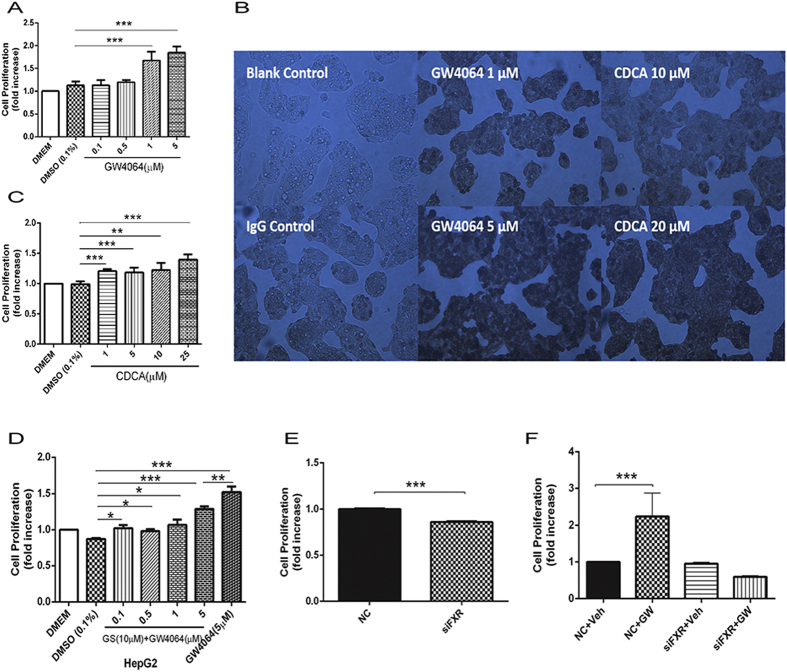
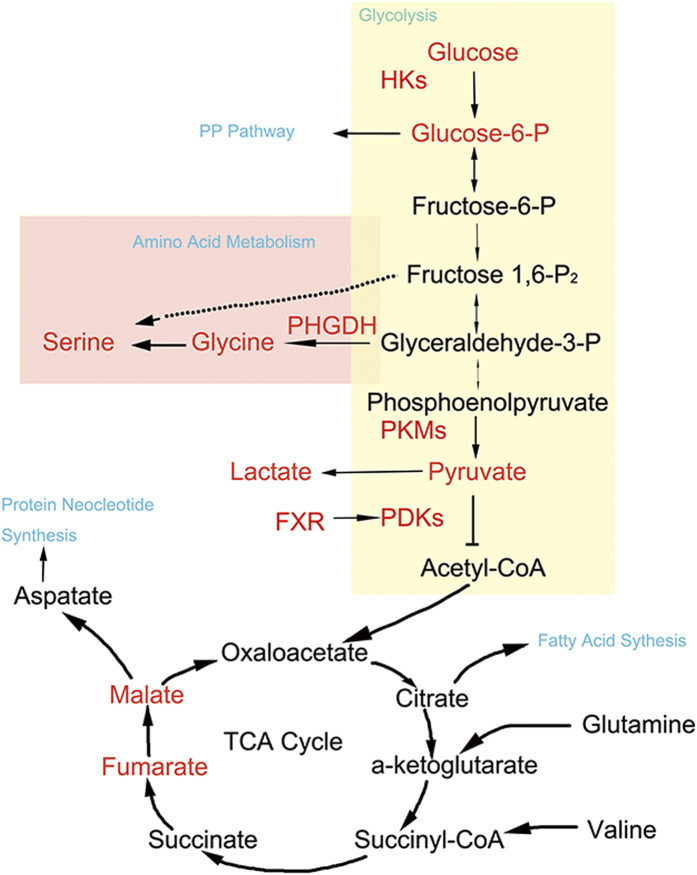
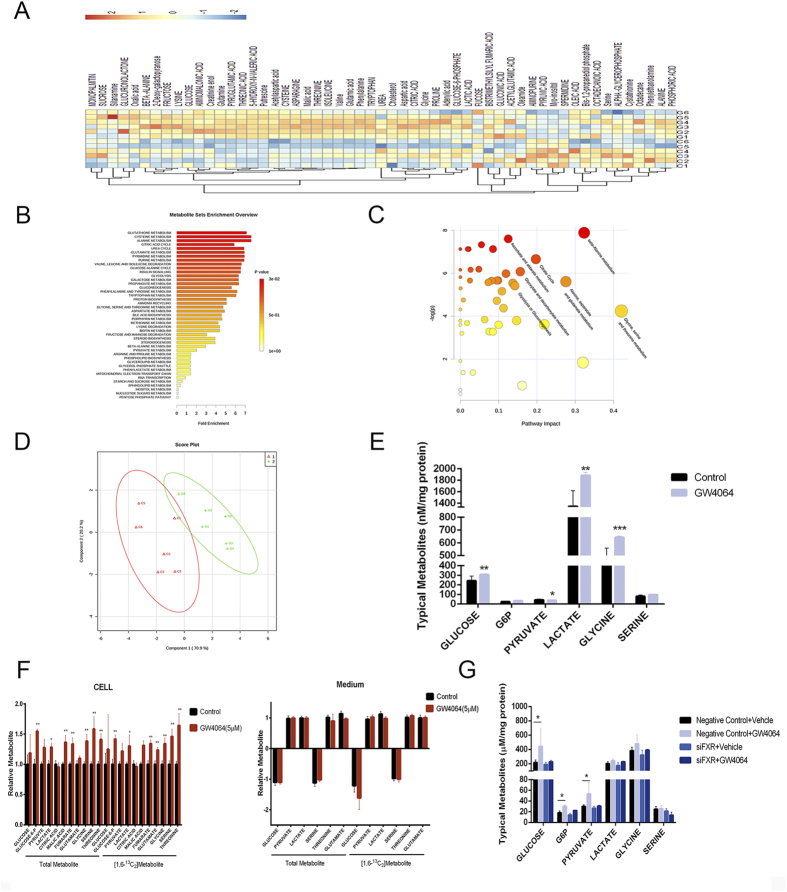
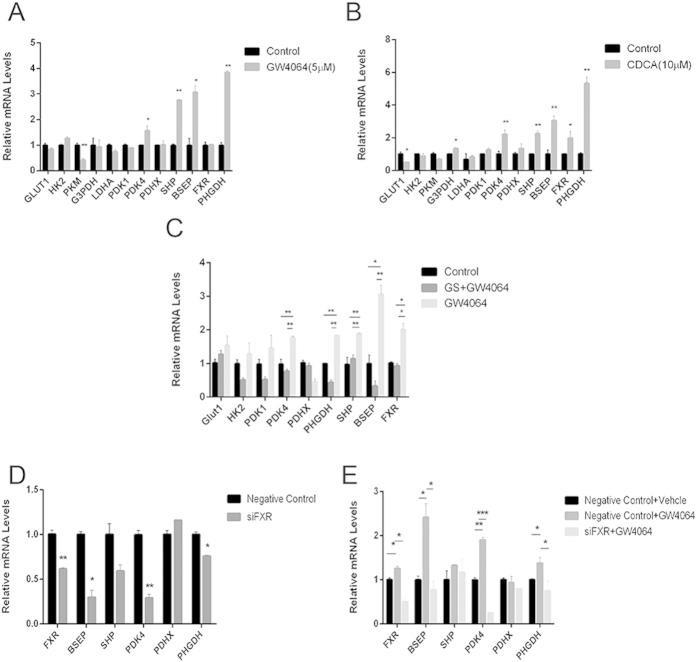
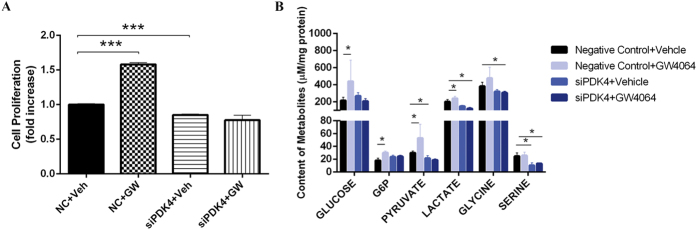
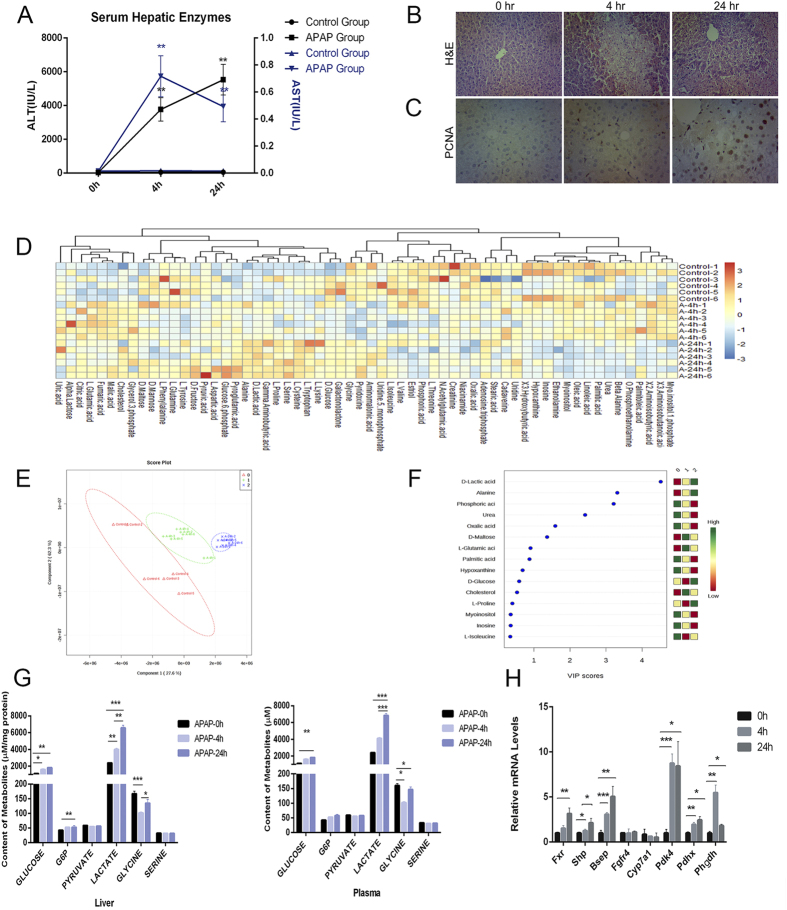
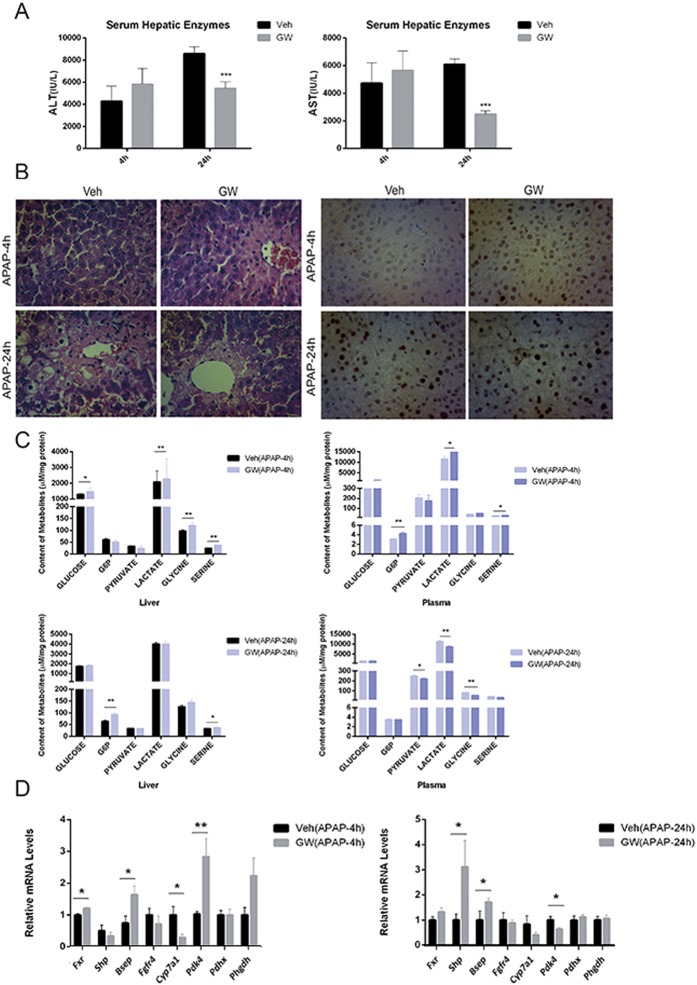
Farnesoid X receptor (FXR) plays a pivotal role in the regulation of various metabolic pathways as well as liver regeneration. However, the casual link between cell proliferative effects during liver regeneration and metabolic regulation of FXR was elusive. In this study, we found that FXR activation significantly promotes HepG2 cell proliferation accompanied with metabolic switch towards the excessive accumulation of aerobic glycolytic intermediates including lactic acid, pyruvate and the subsequently increased biosynthesis of glycine. This FXR-induced metabolic switch was found dependent on an up-regulation of pyruvate dehydrogenate kinase 4 (PDK4), a FXR target gene. FXR agonists were found to promote liver regeneration in the murine model of APAP induced liver injury, which was associated with a metabolic switch favoring the accumulation of glycolytic intermediates as precursors for generation of biomass. However, FXR activation has little effect on the glycolytic metabolism in healthy primary hepatocytes in vitro and the liver of healthy mice in vivo. Therefore, we conclude that FXR may promote the proliferation of tumor cells and the hepatocytes in the process of liver regeneration by activating the PDK4-mediated metabolic reprogramming to generate glycolytic intermediates essential for rapid biomass generation, establishing a mechanistic link between cell proliferation and metabolic switch.
法尼酯X受体(FXR)在多种代谢途径以及肝脏再生的调节中起着关键作用。然而,肝脏再生过程中细胞增殖效应与FXR代谢调节之间的因果联系尚不清楚。在本研究中,我们发现FXR激活显著促进HepG2细胞增殖,并伴随着代谢转变,向包括乳酸、丙酮酸在内的有氧糖酵解中间体过度积累以及随后甘氨酸生物合成增加的方向发展。这种FXR诱导的代谢转变被发现依赖于FXR靶基因丙酮酸脱氢酶激酶4(PDK4)的上调。在对乙酰氨基酚诱导的肝损伤小鼠模型中,发现FXR激动剂可促进肝脏再生,这与有利于将糖酵解中间体作为生物量生成前体积累的代谢转变有关。然而,FXR激活对体外健康原代肝细胞和体内健康小鼠肝脏的糖酵解代谢几乎没有影响。因此,我们得出结论,FXR可能通过激活PDK4介导的代谢重编程以产生快速生物量生成所必需的糖酵解中间体,从而促进肿瘤细胞和肝脏再生过程中肝细胞的增殖,建立了细胞增殖与代谢转变之间的机制联系。