Ercan Utku K, Smith Josh, Ji Hai-Feng, Brooks Ari D, Joshi Suresh G
Department of Surgery, Center for Surgical Infection and Biofilm, Drexel University, Philadelphia, PA 19102 USA.
Department of Chemistry, Center for Surgical Infection and Biofilm, Drexel University, Philadelphia, PA 19102 USA.
Sci Rep. 2016 Feb 2;6:20365. doi: 10.1038/srep20365.
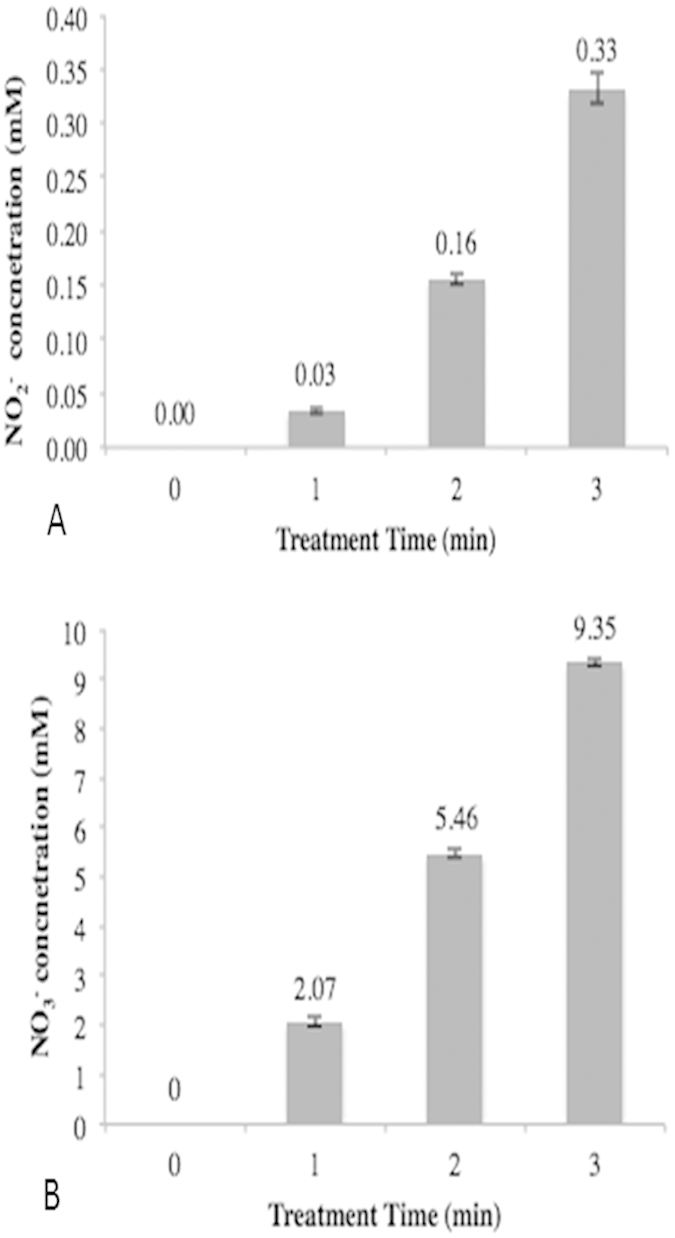
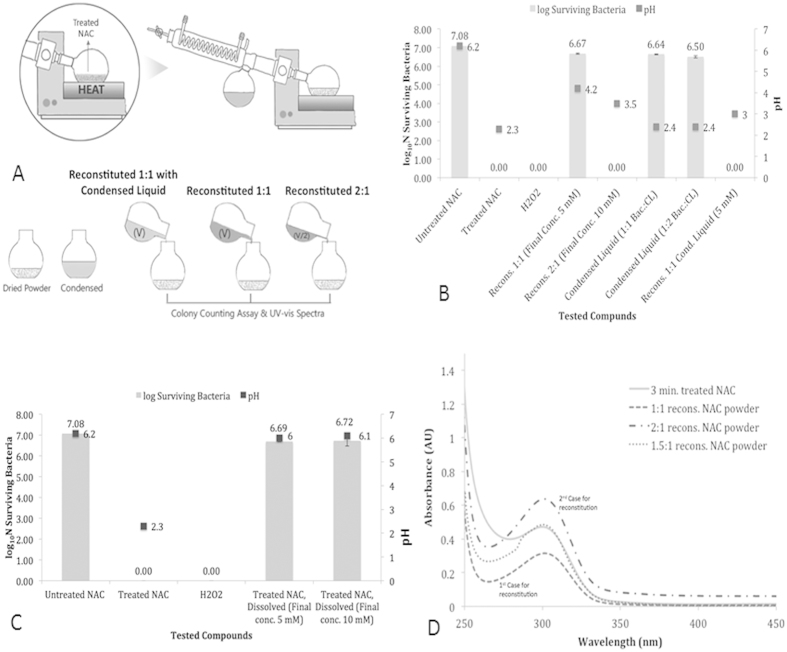
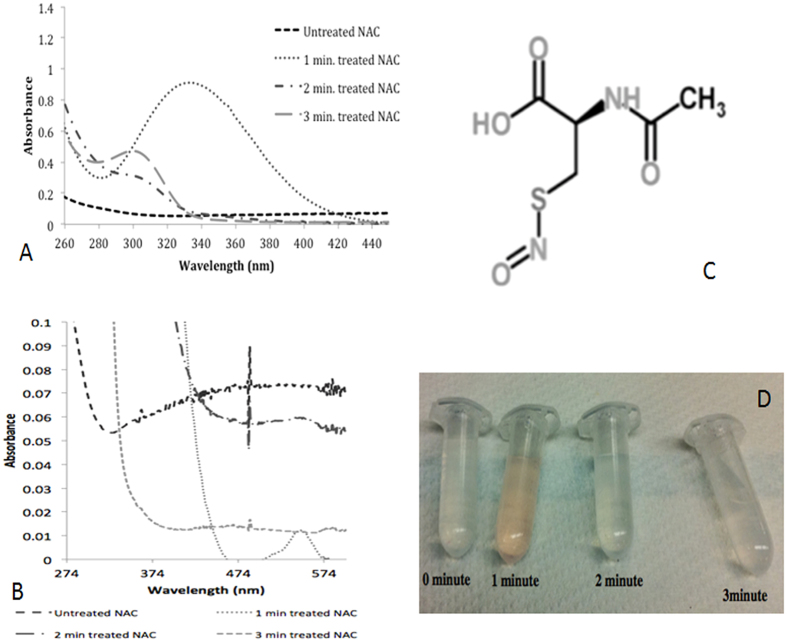
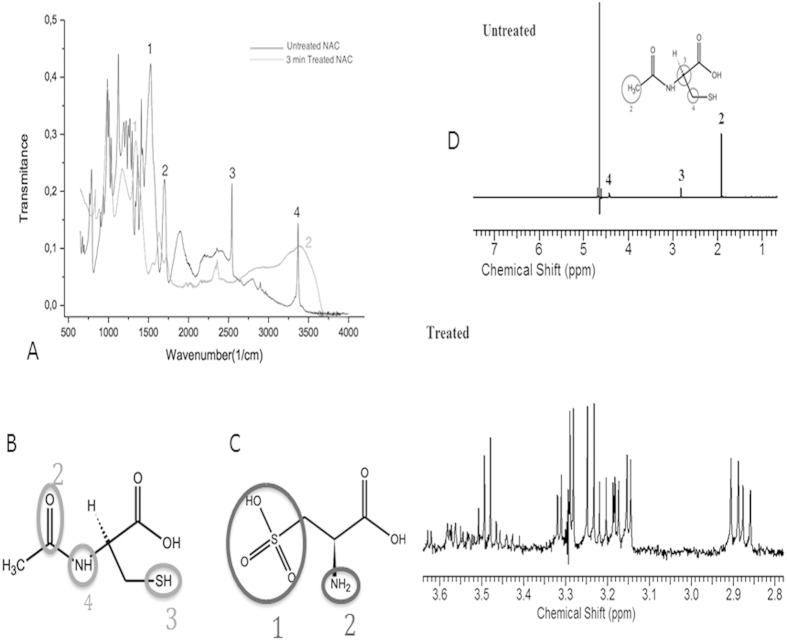
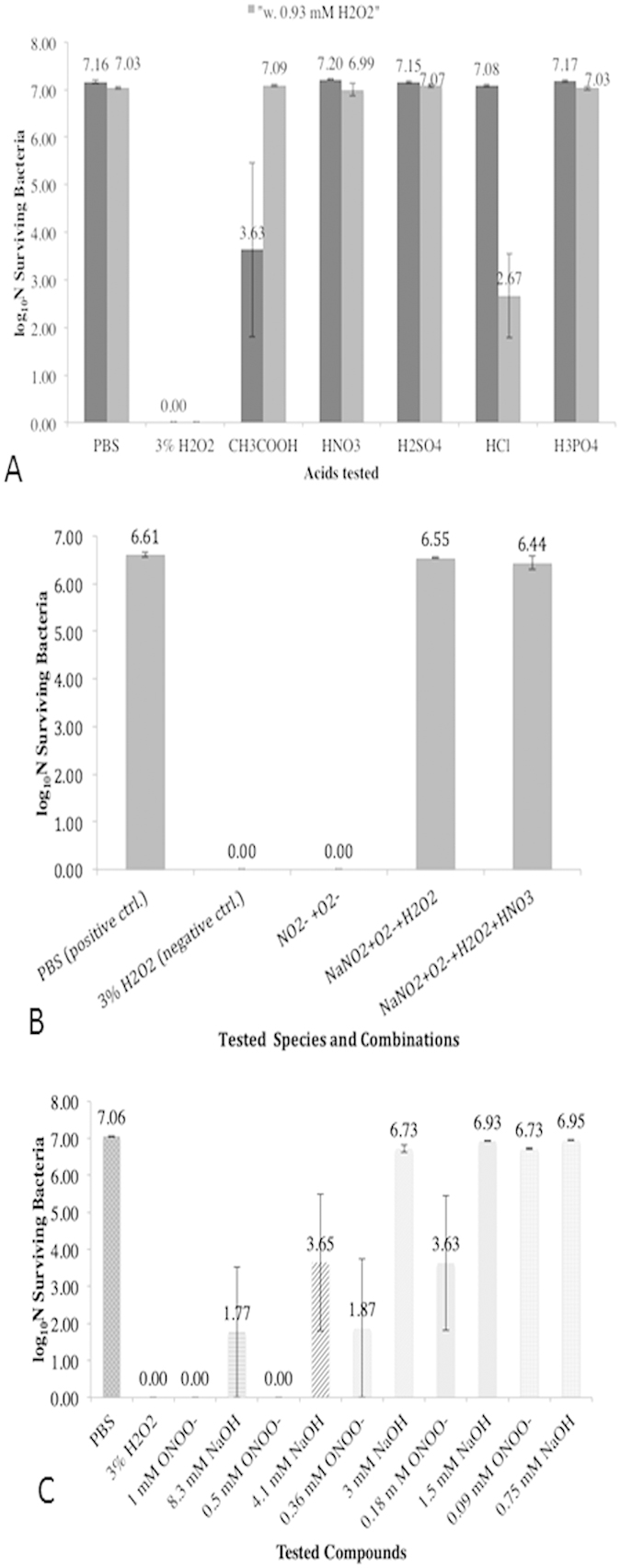
In continuation of our previous reports on the broad-spectrum antimicrobial activity of atmospheric non-thermal dielectric barrier discharge (DBD) plasma treated N-Acetylcysteine (NAC) solution against planktonic and biofilm forms of different multidrug resistant microorganisms, we present here the chemical changes that mediate inactivation of Escherichia coli. In this study, the mechanism and products of the chemical reactions in plasma-treated NAC solution are shown. UV-visible spectrometry, FT-IR, NMR, and colorimetric assays were utilized for chemical characterization of plasma treated NAC solution. The characterization results were correlated with the antimicrobial assays using determined chemical species in solution in order to confirm the major species that are responsible for antimicrobial inactivation. Our results have revealed that plasma treatment of NAC solution creates predominantly reactive nitrogen species versus reactive oxygen species, and the generated peroxynitrite is responsible for significant bacterial inactivation.
继我们之前关于常压非热介质阻挡放电(DBD)等离子体处理的N-乙酰半胱氨酸(NAC)溶液对不同多重耐药微生物的浮游和生物膜形式具有广谱抗菌活性的报道之后,我们在此展示介导大肠杆菌失活的化学变化。在本研究中,展示了等离子体处理的NAC溶液中化学反应的机制和产物。利用紫外可见光谱、傅里叶变换红外光谱、核磁共振和比色法对等离子体处理的NAC溶液进行化学表征。将表征结果与使用溶液中确定的化学物质进行的抗菌试验相关联,以确认导致抗菌失活的主要物质。我们的结果表明,NAC溶液的等离子体处理主要产生活性氮物种而非活性氧物种,并且所产生的过氧亚硝酸盐是导致细菌显著失活的原因。