Haneke Eckart
Department of Dermatology, Inselspital, University of Bern, Bern, Switzerland, Europe; Department of Dermatology, Clinic Dermaticum, Freiburg, Germany, Europe; Centro de Dermatología Epidermis, Inst CUF, Porto, Portugal, Europe; Department of Dermatology, Ghent University Hospital, Gent, Belgium, Europe.
J Cutan Aesthet Surg. 2015 Oct-Dec;8(4):198-210. doi: 10.4103/0974-2077.172191.
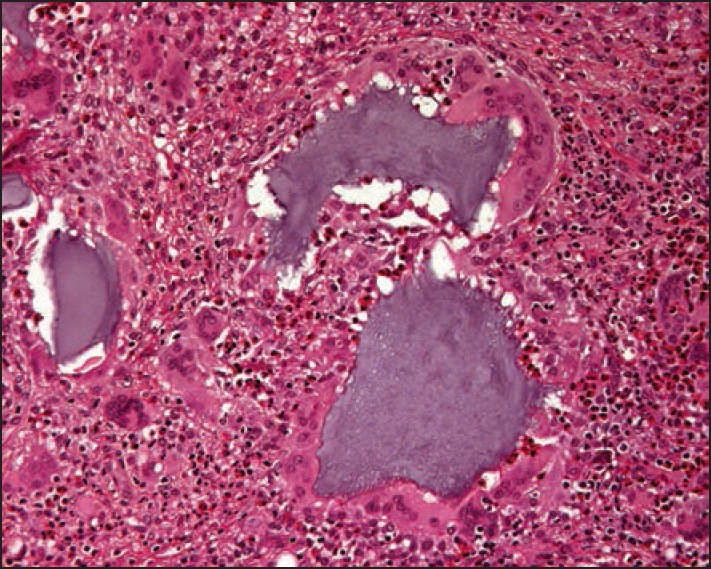
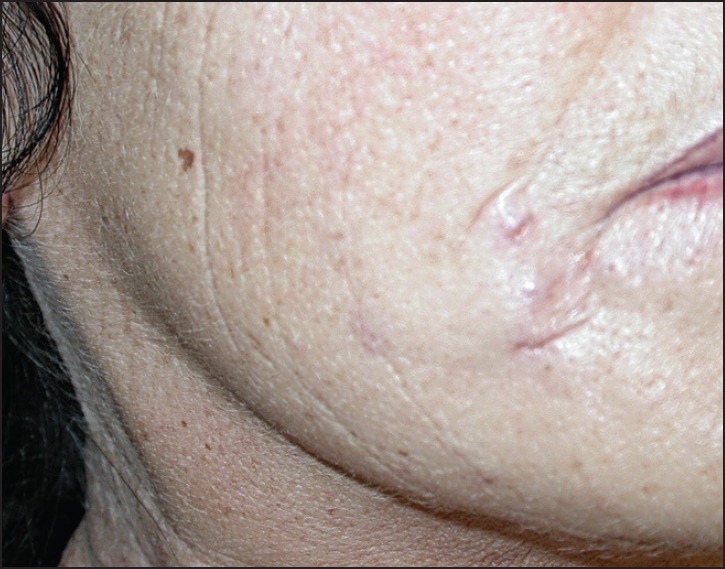
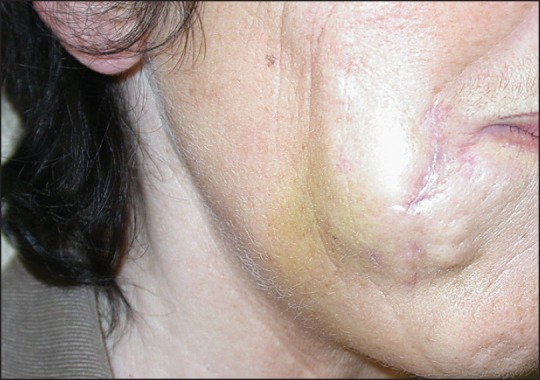
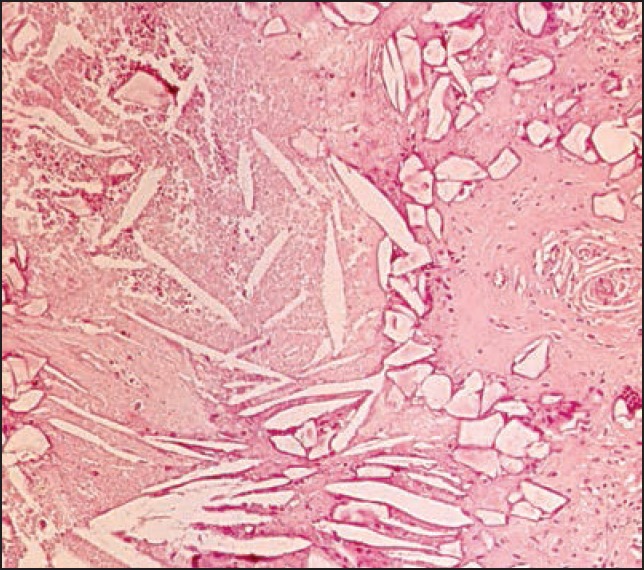
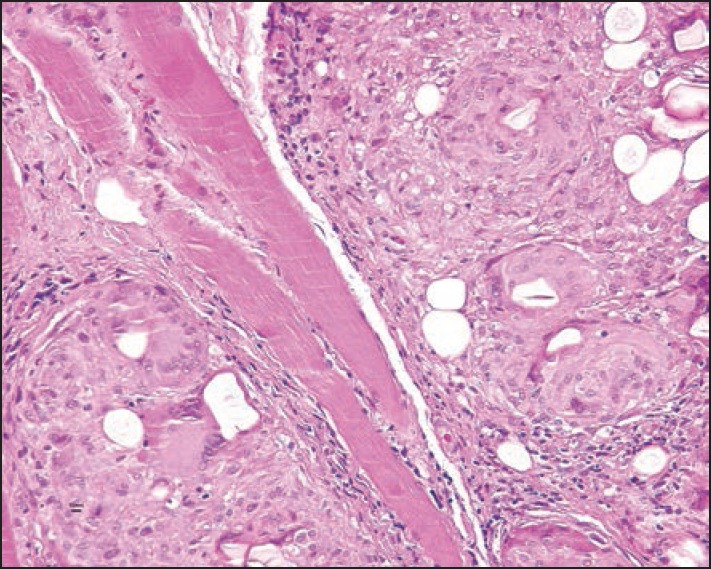
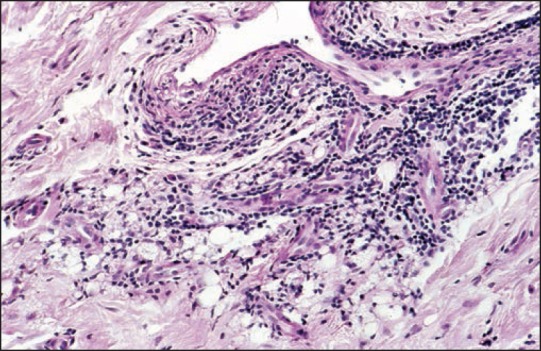
Fillers belong to the most frequently used beautifying products. They are generally well tolerated, but any one of them may occasionally produce adverse side effects. Adverse effects usually last as long as the filler is in the skin, which means that short-lived fillers have short-term side effects and permanent fillers may induce life-long adverse effects. The main goal is to prevent them, however, this is not always possible. Utmost care has to be given to the prevention of infections and the injection technique has to be perfect. Treatment of adverse effects is often with hyaluronidase or steroid injections and in some cases together with 5-fluorouracil plus allopurinol orally. Histological examination of biopsy specimens often helps to identify the responsible filler allowing a specific treatment to be adapted.
填充剂属于最常用的美容产品。它们通常耐受性良好,但其中任何一种偶尔都可能产生不良副作用。副作用通常会持续到填充剂存在于皮肤中的时间,这意味着短效填充剂有短期副作用,而长效填充剂可能会引发终身不良影响。主要目标是预防副作用,然而,这并非总是可行的。必须极其小心地预防感染,注射技术必须完美。副作用的治疗通常使用透明质酸酶或类固醇注射,在某些情况下还会口服5-氟尿嘧啶加别嘌呤醇。活检标本的组织学检查通常有助于识别导致问题的填充剂,从而采用特定的治疗方法。