Puurunen Jenni, Tiira Katriina, Lehtonen Marko, Hanhineva Kati, Lohi Hannes
Institute of Public Health and Clinical Nutrition, University of Eastern Finland, Kuopio, Finland.
Department of Veterinary Biosciences and Research Programs Unit, Molecular Neurology, University of Helsinki, Biomedicum Helsinki, P.O. Box 63, 00014, Helsinki, Finland.
Behav Brain Funct. 2016 Feb 12;12(1):7. doi: 10.1186/s12993-016-0091-2.
Anxieties, such as shyness, noise phobia and separation anxiety, are common but poorly understood behavioural problems in domestic dogs, Canis familiaris. Although studies have demonstrated genetic and environmental contributions to anxiety pathogenesis, better understanding of the molecular underpinnings is needed to improve diagnostics, management and treatment plans. As a part of our ongoing canine anxiety genetics efforts, this study aimed to pilot a metabolomics approach in fearful and non-fearful dogs to identify candidate biomarkers for more objective phenotyping purposes and to refer to potential underlying biological problem.
We collected whole blood samples from 10 fearful and 10 non-fearful Great Danes and performed a liquid chromatography combined with mass spectrometry (LC-MS)-based non-targeted metabolite profiling.
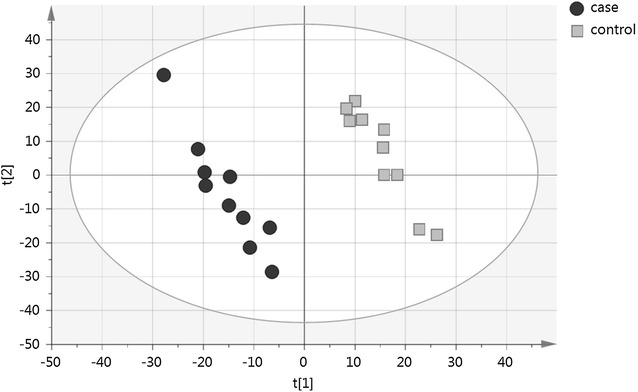
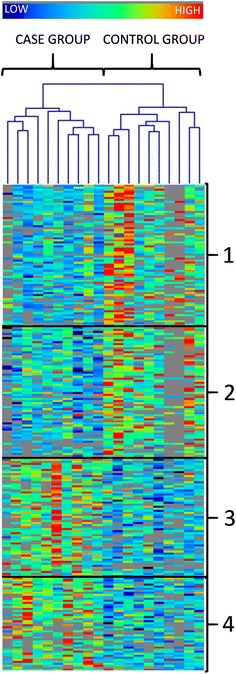
Non-targeted metabolomics analysis detected six 932 metabolite entities in four analytical modes [RP and HILIC; ESI(-) and ESI(+)], of which 239 differed statistically between the test groups. We identified changes in 13 metabolites (fold change ranging from 1.28 to 2.85) between fearful and non-fearful dogs, including hypoxanthine, indoxylsulfate and several phospholipids. These molecules are involved in oxidative stress, tryptophan and lipid metabolisms.
We identified significant alterations in the metabolism of fearful dogs, and some of these changes appear relevant to anxiety also in other species. This pilot study demonstrates the feasibility of the non-targeted metabolomics and warrants a larger replication study to confirm the role of the identified biomarkers and pathways in canine anxiety.
诸如羞怯、噪音恐惧症和分离焦虑等焦虑症是家犬(犬属)常见但了解甚少的行为问题。尽管研究已证明遗传和环境因素对焦虑症发病机制有影响,但仍需要更好地了解其分子基础,以改进诊断、管理和治疗方案。作为我们正在进行的犬类焦虑症遗传学研究的一部分,本研究旨在对恐惧和非恐惧犬只采用代谢组学方法,以识别候选生物标志物,用于更客观的表型分析,并参考潜在的潜在生物学问题。
我们从10只恐惧的和10只非恐惧的大丹犬采集全血样本,并进行基于液相色谱-质谱联用(LC-MS)的非靶向代谢物谱分析。
非靶向代谢组学分析在四种分析模式(反相和亲水作用色谱;电喷雾负离子模式和电喷雾正离子模式)下检测到6932个代谢物实体,其中239个在测试组之间存在统计学差异。我们确定了恐惧犬和非恐惧犬之间13种代谢物的变化(倍数变化范围为1.28至2.85),包括次黄嘌呤、硫酸吲哚酚和几种磷脂。这些分子参与氧化应激、色氨酸和脂质代谢。
我们确定了恐惧犬代谢的显著变化,其中一些变化在其他物种中似乎也与焦虑有关。这项初步研究证明了非靶向代谢组学的可行性,并需要进行更大规模的重复研究,以确认所识别的生物标志物和途径在犬类焦虑中的作用。