Oga Emmanuel Aja, Eseyin Olabimpe Ruth
Department of Epidemiology and Public Health, University of Maryland, Baltimore, MD 21201, USA.
Department of Epidemiology, Harvard Chan School of Public Health, Boston, MA 02115, USA.
J Obes. 2016;2016:9040248. doi: 10.1155/2016/9040248. Epub 2016 Jan 20.
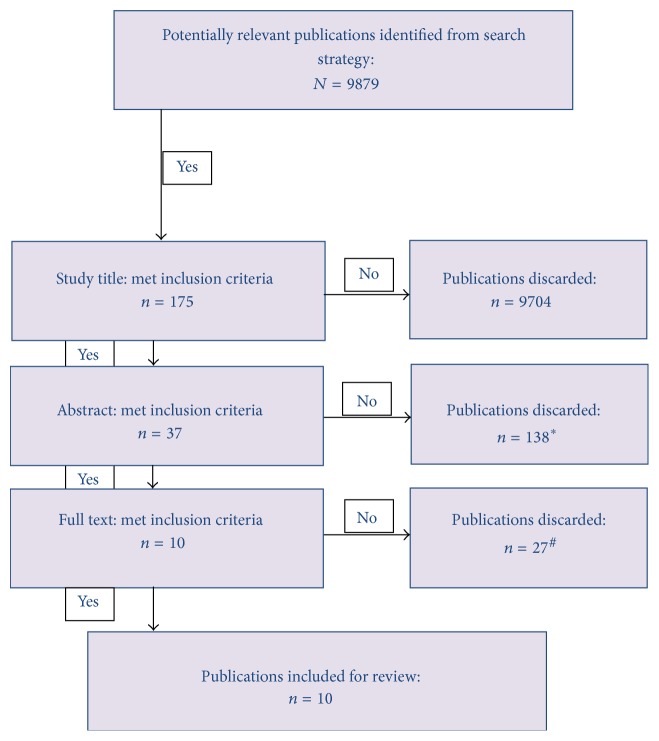
There is scientific consensus that obesity increases the risk of cardiovascular diseases, including heart failure. However, among persons who already have heart failure, outcomes seem to be better in obese persons as compared with lean persons: this has been termed the obesity paradox, the mechanisms of which remain unclear. This study systematically reviewed the evidence of the relationship between heart failure mortality (and survival) and weight status. Search of the PubMed/MEDLINE and EMBASE databases was done according to the PRISMA protocol. The initial search identified 9879 potentially relevant papers, out of which ten studies met the inclusion criteria. One study was a randomized clinical trial and 9 were observational cohort studies: 6 prospective and 3 retrospective studies. All studies used the BMI, WC, or TSF as measure of body fatness and NYHA Classification of Heart Failure and had single outcomes, death, as study endpoint. All studies included in review were longitudinal studies. All ten studies reported improved outcomes for obese heart failure patients as compared with their normal weight counterparts; worse prognosis was demonstrated for extreme obesity (BMI > 40 kg/m(2)). The findings of this review will be of significance in informing the practice of asking obese persons with heart failure to lose weight. However, any such recommendation on weight loss must be consequent upon more conclusive evidence on the mechanisms of the obesity paradox in heart failure and exclusion of collider bias.
科学界已达成共识,即肥胖会增加包括心力衰竭在内的心血管疾病风险。然而,在已患有心力衰竭的人群中,肥胖者的预后似乎比瘦者更好:这一现象被称为肥胖悖论,其机制尚不清楚。本研究系统回顾了心力衰竭死亡率(及生存率)与体重状况之间关系的证据。按照PRISMA方案对PubMed/MEDLINE和EMBASE数据库进行了检索。初步检索确定了9879篇潜在相关论文,其中十项研究符合纳入标准。一项研究为随机临床试验,9项为观察性队列研究:6项前瞻性研究和3项回顾性研究。所有研究均使用体重指数(BMI)、腰围(WC)或三头肌皮褶厚度(TSF)作为身体脂肪的衡量指标,并采用纽约心脏病协会(NYHA)心力衰竭分级,且均以单一结局即死亡作为研究终点。纳入综述的所有研究均为纵向研究。所有十项研究均报告称,与正常体重的心力衰竭患者相比,肥胖患者的预后有所改善;极端肥胖(BMI>40 kg/m²)者则显示出更差的预后。本综述的研究结果对于指导心力衰竭肥胖患者减重的临床实践具有重要意义。然而,任何此类关于减重的建议都必须基于关于心力衰竭肥胖悖论机制的更确凿证据,并排除碰撞偏倚。