Jacinto-Tinajero Juan Carlos, Ascencio Daniel, Marquina Brenda, Barrios-Payán Jorge, Gutierrez Maria Concepcion, Lim Miguel Gomez, Pando Rogelio Hernández
Experimental Pathology and Surgery Departments, National Institute of Medical Sciences and Nutrition "Salvador Zubiran", Mexico city, Mexico.
Plastic Surgery, Angeles Hospital, Mexico city, Mexico.
J Exp Orthop. 2014 Dec;1(1):11. doi: 10.1186/s40634-014-0011-z. Epub 2014 Jul 16.
Trauma, osteomyelitis, bone tumour resections and congenital deformities are the main causes of bone deficiency in which autologous graft is the preferred treatment, but usually the bone supplies are limited.
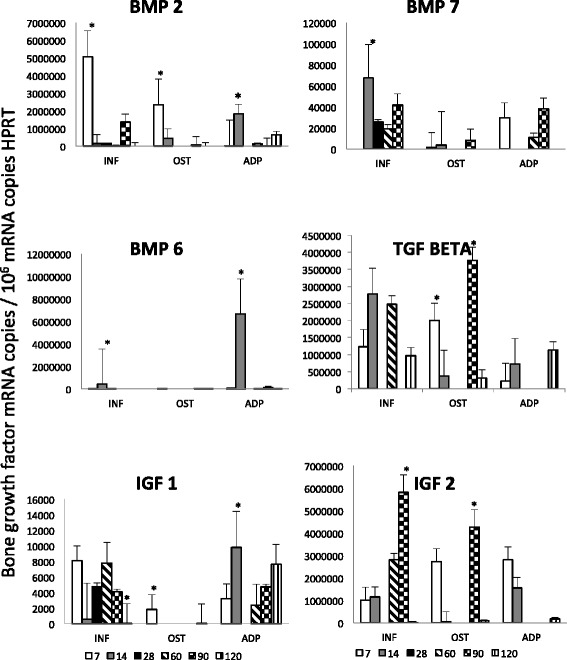
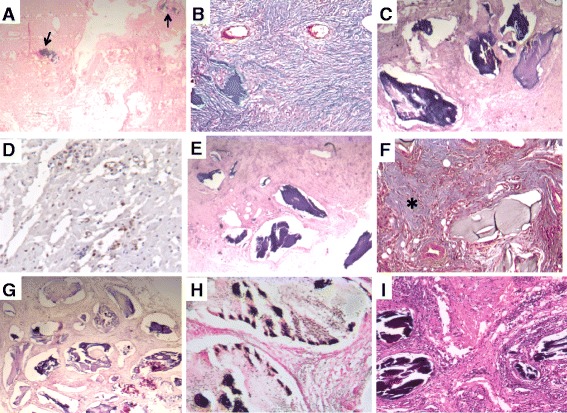
An experimental model of heterotopic bone formation in the subcutaneous abdominal area of dogs was developed. This model consists in omentum wrapped implants constituted by collagen type 1 sponges embedded with demineralized bone powder, calcium cloride, thrombin and platelet rich plasma; the implant is totally converted in trabecular bone after four months of implantation. This model was improved by accelerating bone production, after the isolation of the most conspicuous histological constituents (inflammatory, bone and adipose tissues) by laser microdisection and purified from them RNA that was used to determine by RT-PCR the gene expression kinetics of the most important growth bone factors. Then, the most abundant and rapidly synthesized factors were produced by genetic engineering in tobacco plants.
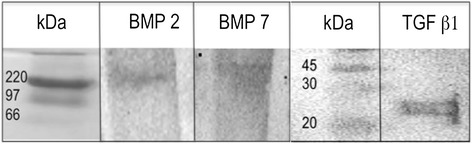
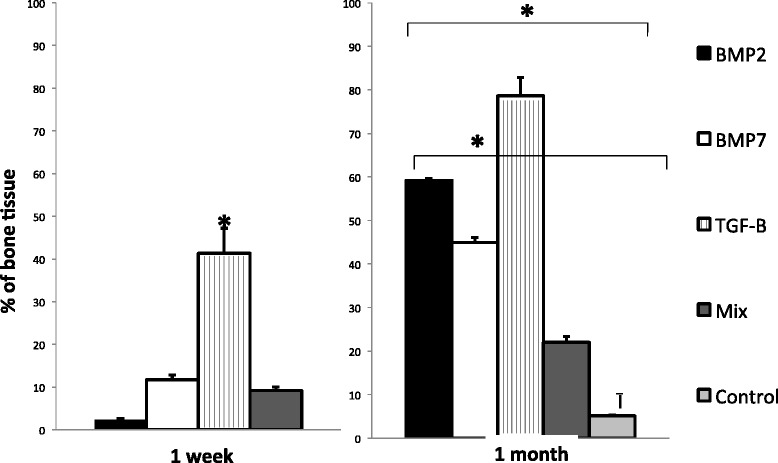
Bone morphogenetic proteins 2 and 7 and transforming growth factor-β1were the most rapidly and highly synthesized factors, and they were efficiently produced in a genetic engineering plant based system in tobacco leaves. Their incorporation as recombinant proteins in the scaffold collagen sponge induced in just one month mature heterotopic bone.
This study demonstrates for the first time that this plant system is able to produce recombinant bone growth factors in high amount and at low cost, and they were highly efficient to rapidly induce bone formation in abdominal implants potentially useful for autotransplantation.
创伤、骨髓炎、骨肿瘤切除和先天性畸形是导致骨缺损的主要原因,自体移植是首选治疗方法,但通常骨源有限。
建立了犬腹部皮下异位骨形成的实验模型。该模型由包裹在网膜中的植入物组成,植入物由嵌入脱矿骨粉、氯化钙、凝血酶和富血小板血浆的1型胶原蛋白海绵构成;植入四个月后,植入物完全转化为小梁骨。通过激光显微切割分离出最显著的组织成分(炎症、骨和脂肪组织),并从中纯化出RNA,用于通过逆转录聚合酶链反应(RT-PCR)确定最重要的骨生长因子的基因表达动力学,从而加速骨生成,对该模型进行了改进。然后,通过基因工程在烟草植物中生产最丰富和合成最快的因子。
骨形态发生蛋白2和7以及转化生长因子-β1是合成最快且含量最高的因子,它们在基于烟草叶的基因工程植物系统中高效产生。将它们作为重组蛋白掺入支架胶原蛋白海绵中,仅在一个月内就诱导出成熟的异位骨。
本研究首次证明,该植物系统能够低成本大量生产重组骨生长因子,并且它们在快速诱导腹部植入物中的骨形成方面效率极高,这些植入物可能对自体移植有用。