Sparks David S, Savi Flavia Medeiros, Saifzadeh Siamak, Schuetz Michael A, Wagels Michael, Hutmacher Dietmar W
Centre for Regenerative Medicine, Institute of Health and Biomedical Innovation, Queensland University of Technology, Kelvin Grove, QLD, Australia.
Department of Plastic & Reconstructive Surgery, Princess Alexandra Hospital, Woolloongabba, QLD, Australia.
Front Bioeng Biotechnol. 2020 Jan 10;7:448. doi: 10.3389/fbioe.2019.00448. eCollection 2019.
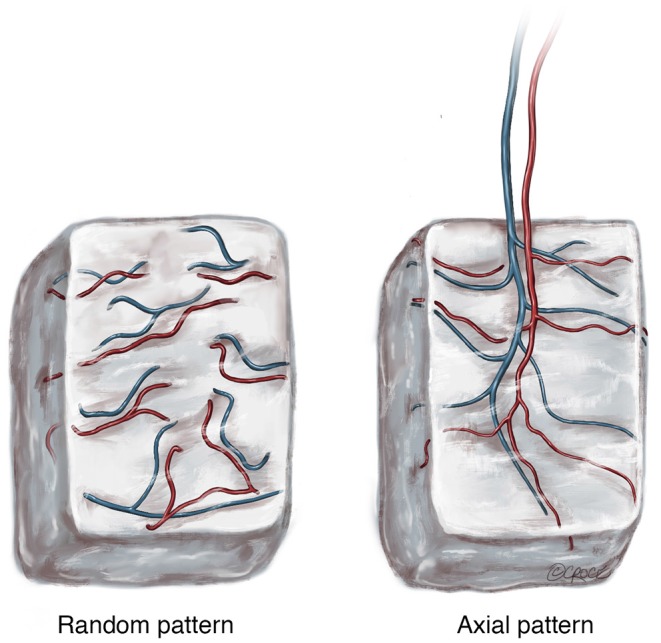
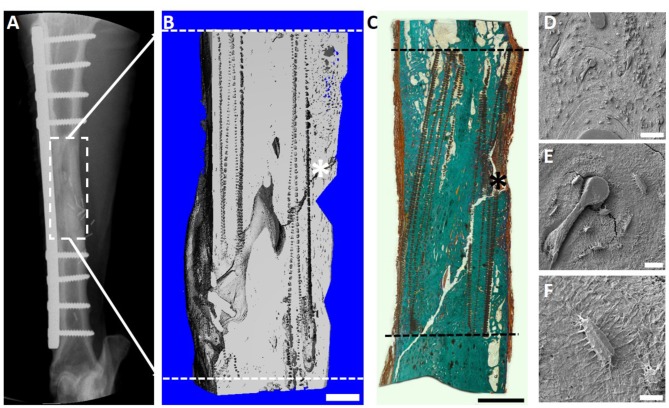
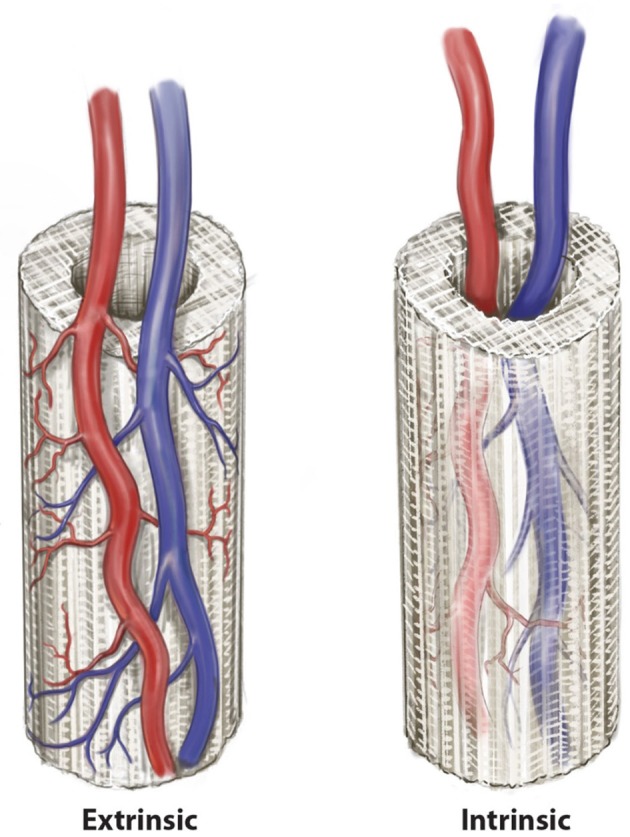
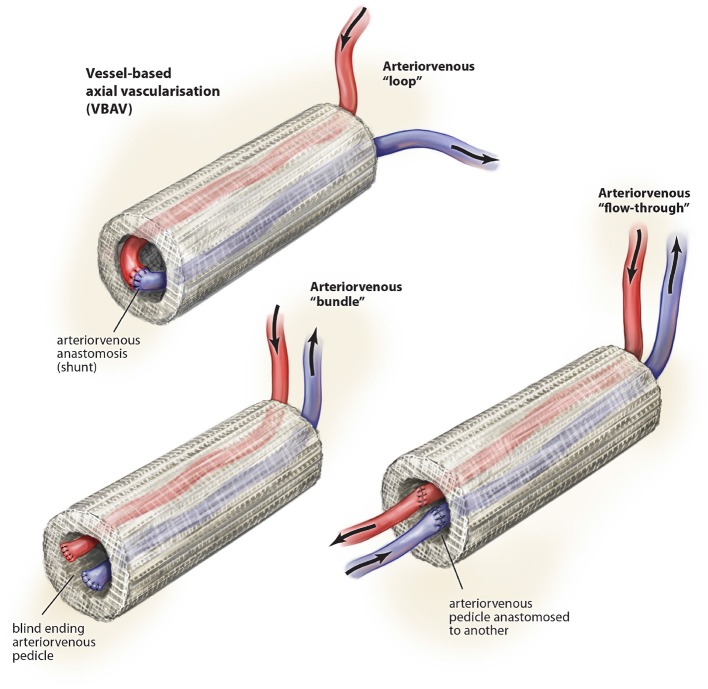
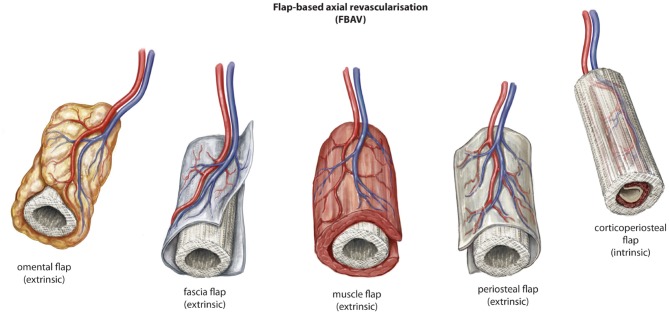
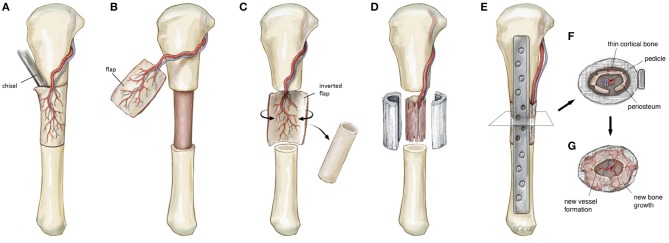
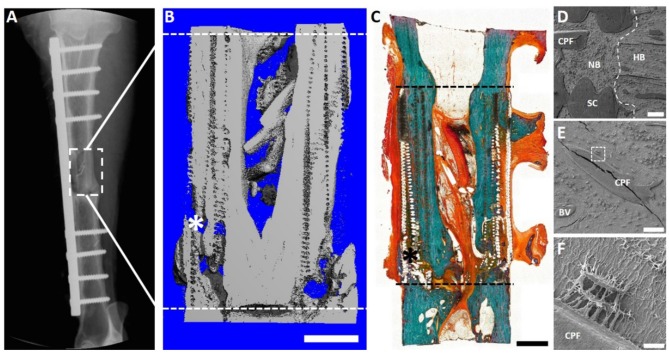
The prevalent challenge facing tissue engineering today is the lack of adequate vascularization to support the growth, function, and viability of tissue engineered constructs (TECs) that require blood vessel supply. The research and clinical community rely on the increasing knowledge of angiogenic and vasculogenic processes to stimulate a clinically-relevant vascular network formation within TECs. The regenerative matching axial vascularization approach presented in this manuscript incorporates the advantages of flap-based techniques for neo-vascularization yet also harnesses the bioreactor principle in a more directed "like for like" approach to further assist regeneration of the specific tissue type that is lost, such as a corticoperiosteal flap in critical sized bone defect reconstruction.
如今组织工程面临的普遍挑战是缺乏足够的血管化来支持需要血管供应的组织工程构建体(TECs)的生长、功能和存活能力。研究和临床界依赖于对血管生成和血管发生过程不断增加的了解,以刺激TECs内形成与临床相关的血管网络。本手稿中提出的再生匹配轴向血管化方法结合了基于皮瓣的新生血管化技术的优点,同时还以更具针对性的“同类相似”方法利用生物反应器原理,以进一步协助修复受损的特定组织类型,如在临界尺寸骨缺损重建中使用皮质骨膜瓣。