Moran Conor J, Ramesh Ashwanth, Brama Pieter A J, O'Byrne John M, O'Brien Fergal J, Levingstone Tanya J
Tissue Engineering Research Group, Department of Anatomy, Royal College of Surgeons in Ireland, 123 St. Stephen's Green, Dublin 2, Ireland.
Trinity Centre for Bioengineering, Trinity College Dublin, Dublin 2, Ireland.
J Exp Orthop. 2016 Dec;3(1):1. doi: 10.1186/s40634-015-0037-x. Epub 2016 Jan 6.
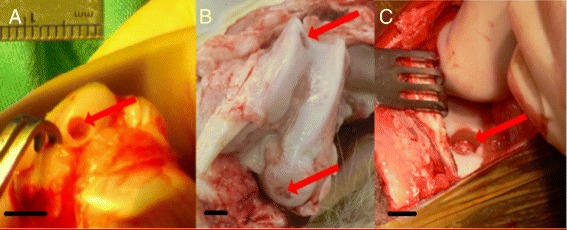
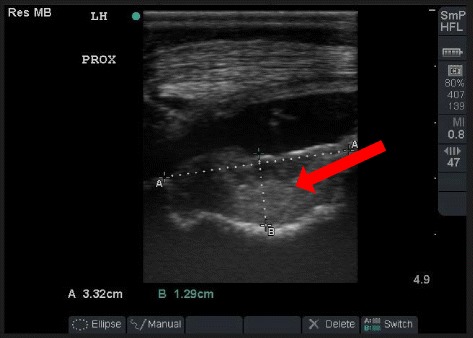
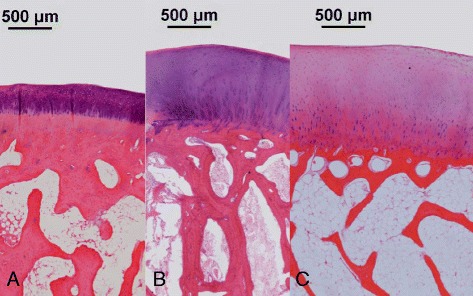
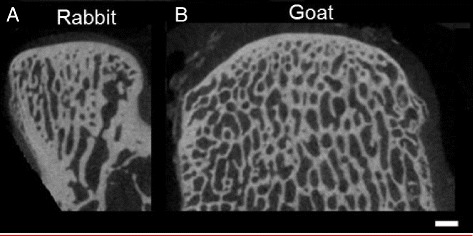
Much research is currently ongoing into new therapies for cartilage defect repair with new biomaterials frequently appearing which purport to have significant regenerative capacity. These biomaterials may be classified as medical devices, and as such must undergo rigorous testing before they are implanted in humans. A large part of this testing involves in vitro trials and biomechanical testing. However, in order to bridge the gap between the lab and the clinic, in vivo preclinical trials are required, and usually demanded by regulatory approval bodies. This review examines the in vivo models in current use for cartilage defect repair testing and the relevance of each in the context of generated results and applicability to bringing the device to clinical practice. Some of the preclinical models currently used include murine, leporine, ovine, caprine, porcine, canine, and equine models. Each of these has advantages and disadvantages in terms of animal husbandry, cartilage thickness, joint biomechanics and ethical and licencing issues. This review will examine the strengths and weaknesses of the various animal models currently in use in preclinical studies of cartilage repair.
目前,针对软骨缺损修复的新疗法正在进行大量研究,新型生物材料不断涌现,据称具有显著的再生能力。这些生物材料可归类为医疗设备,因此在植入人体之前必须经过严格测试。这项测试的很大一部分涉及体外试验和生物力学测试。然而,为了弥合实验室与临床之间的差距,需要进行体内临床前试验,而这通常也是监管审批机构所要求的。本综述考察了目前用于软骨缺损修复测试的体内模型,以及每种模型在生成结果的背景下的相关性,以及将该设备应用于临床实践的适用性。目前使用的一些临床前模型包括小鼠、兔、绵羊、山羊、猪、犬和马模型。就动物饲养、软骨厚度、关节生物力学以及伦理和许可问题而言,这些模型各有优缺点。本综述将考察目前在软骨修复临床前研究中使用的各种动物模型的优缺点。