Ruas Juliana S, Siqueira-Santos Edilene S, Amigo Ignacio, Rodrigues-Silva Erika, Kowaltowski Alicia J, Castilho Roger F
Departamento de Patologia Clínica, Faculdade de Ciências Médicas, Universidade Estadual de Campinas (UNICAMP), Campinas, SP, Brazil.
Departamento de Bioquímica, Instituto de Química, Universidade de São Paulo (USP), São Paulo, SP, Brazil.
PLoS One. 2016 Mar 7;11(3):e0150967. doi: 10.1371/journal.pone.0150967. eCollection 2016.
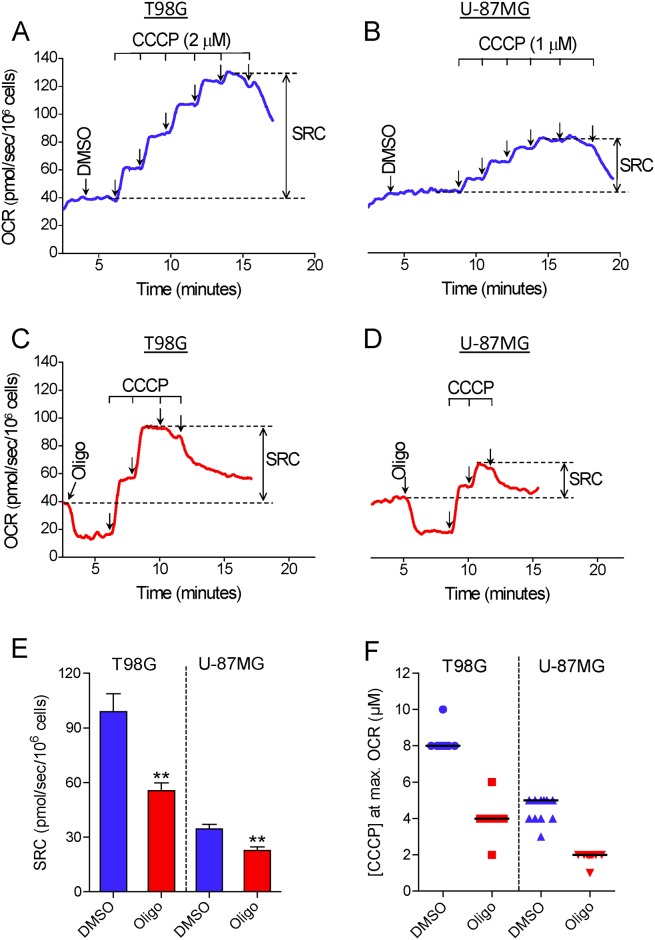
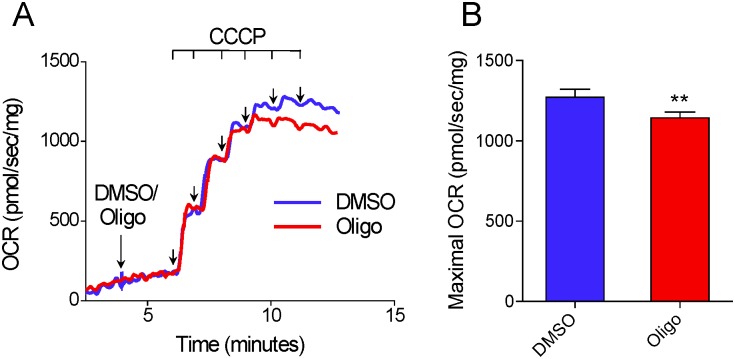
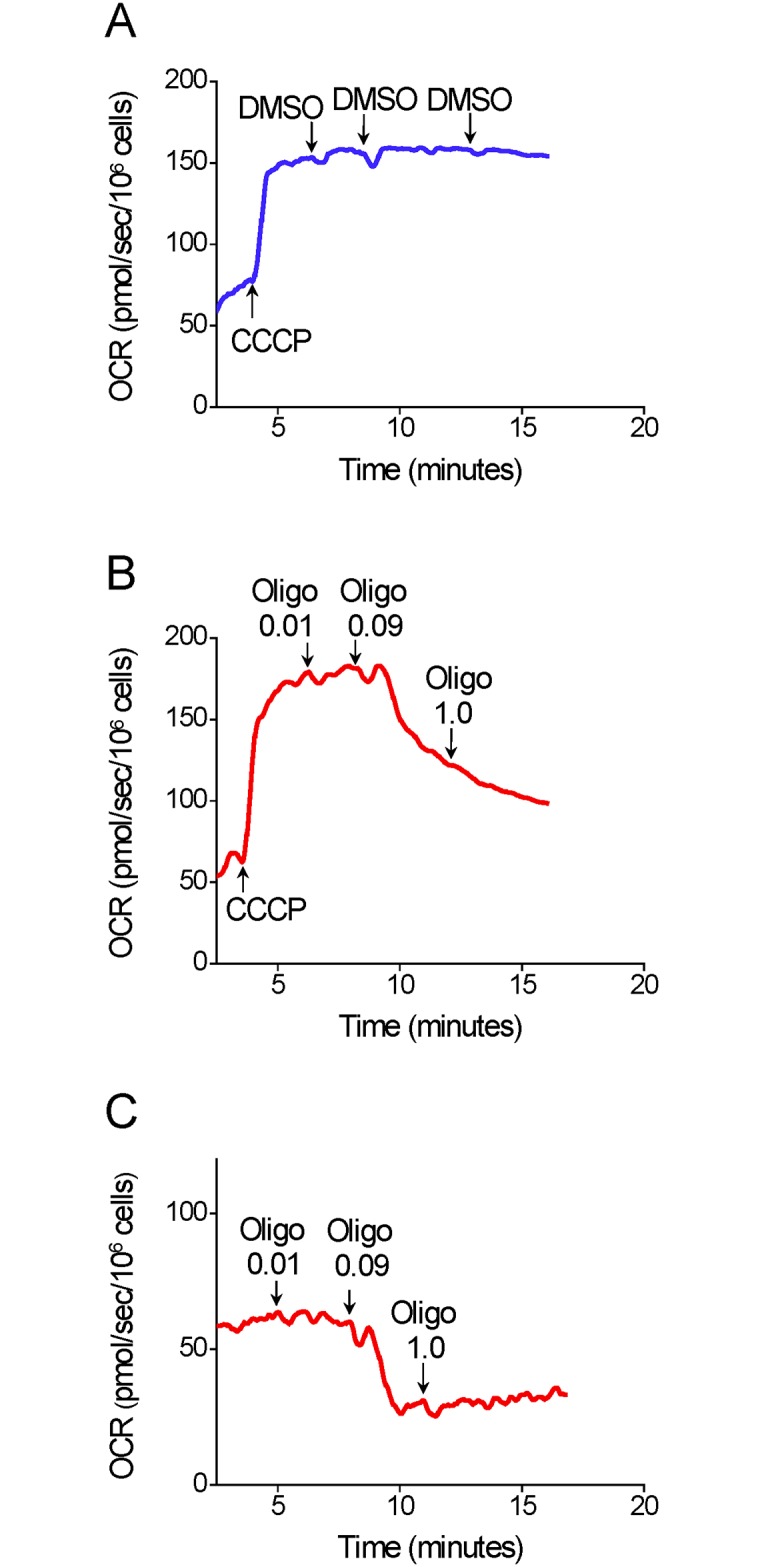
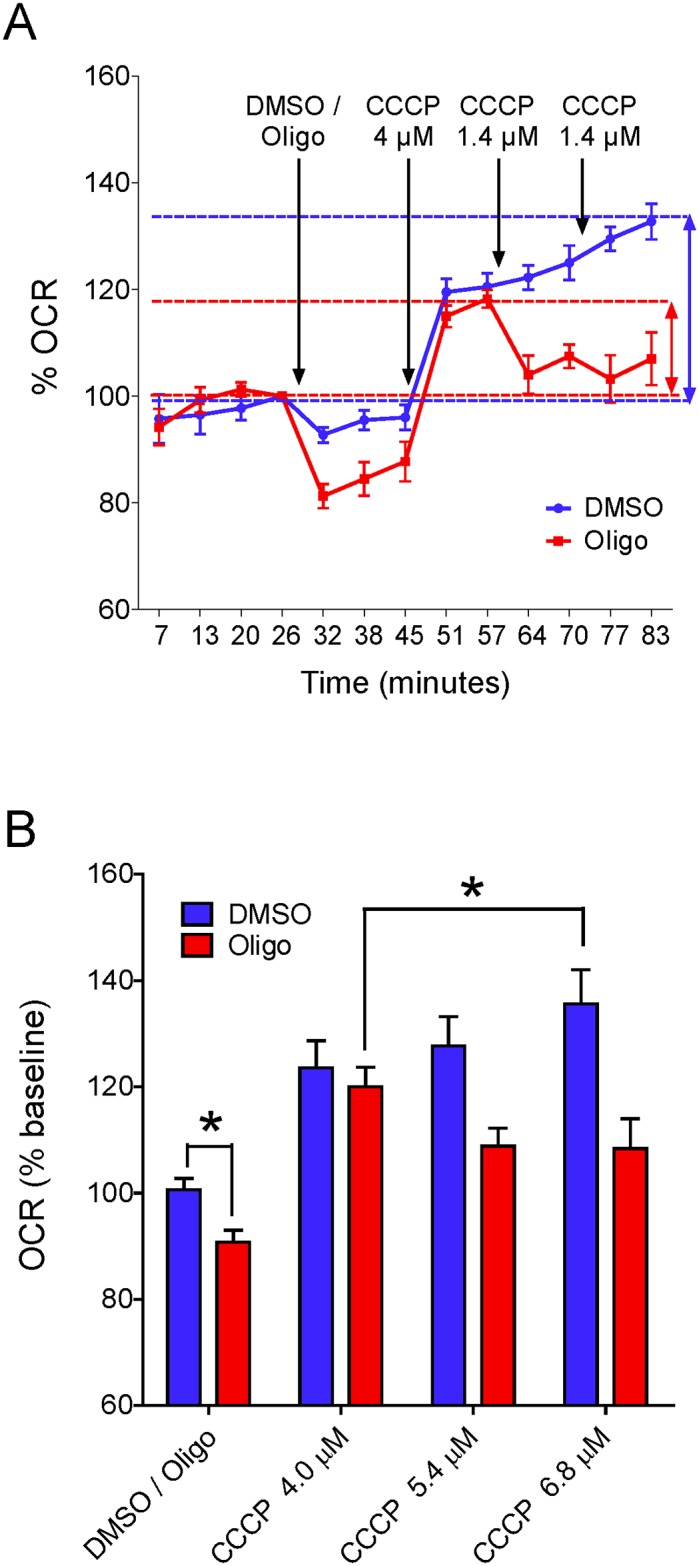
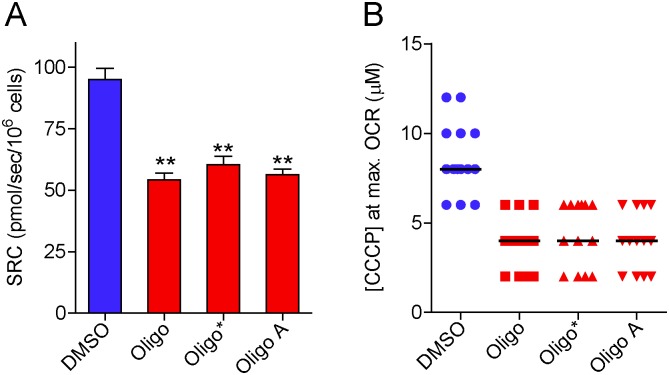
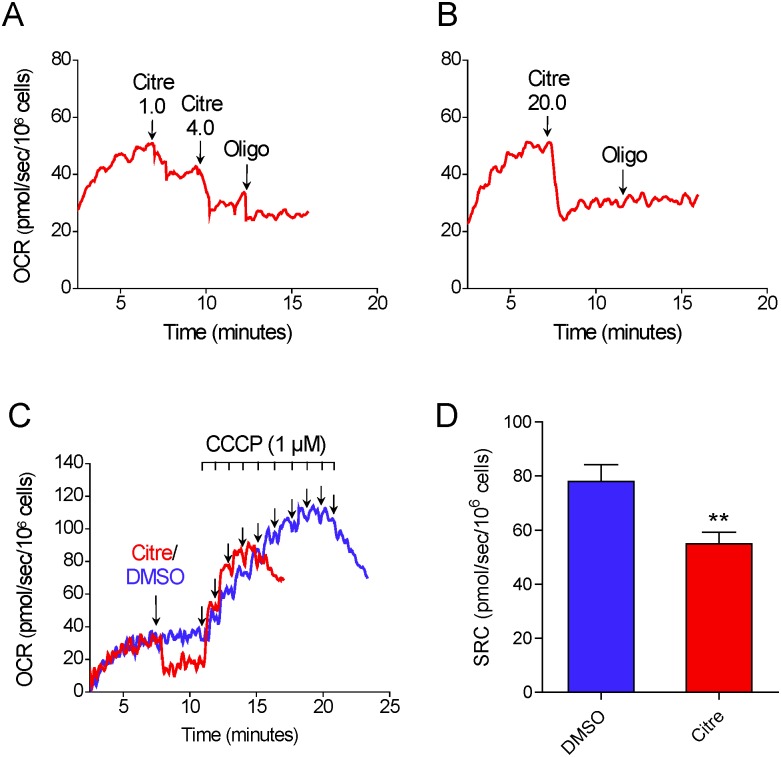
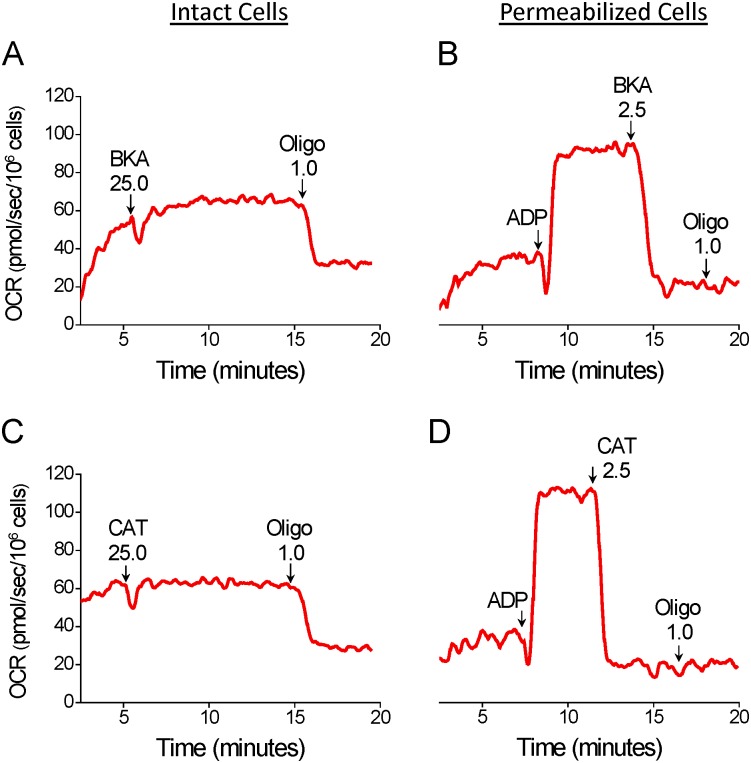
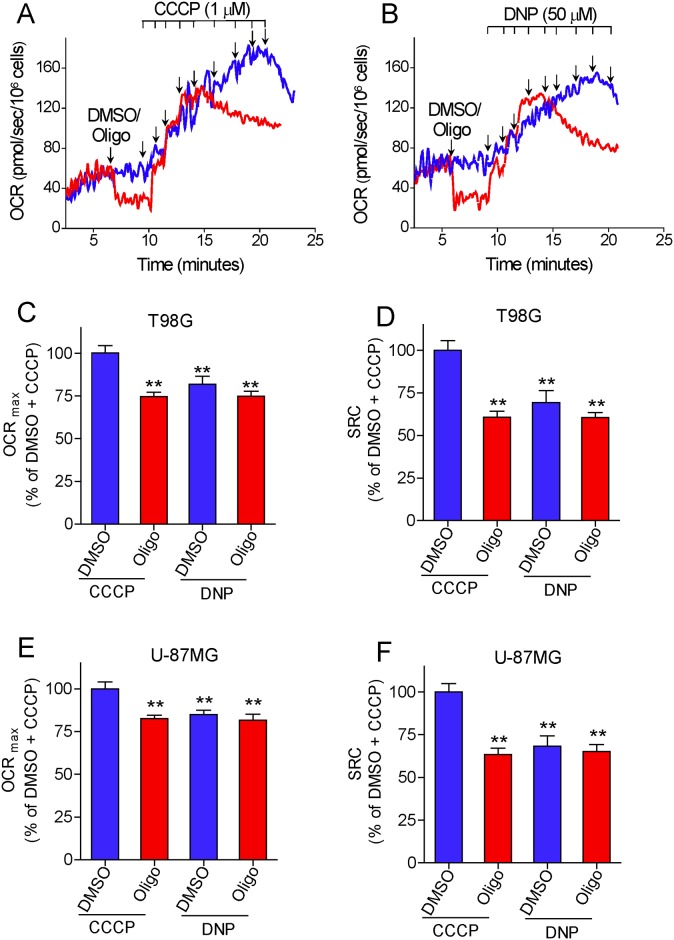
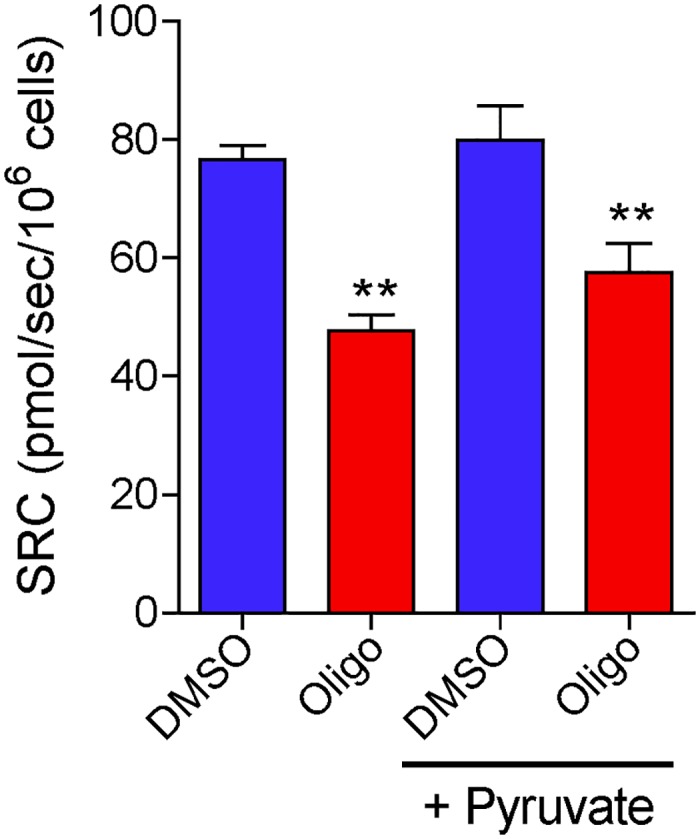
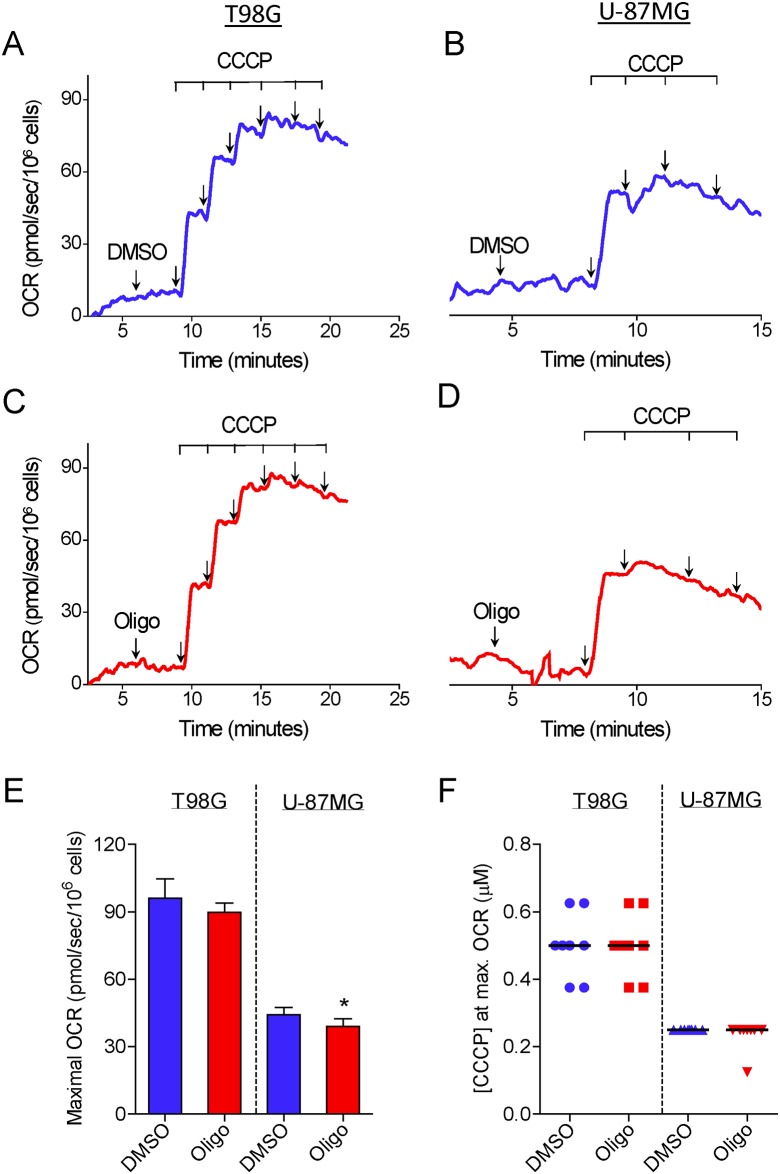
The maximal capacity of the mitochondrial electron transport system (ETS) in intact cells is frequently estimated by promoting protonophore-induced maximal oxygen consumption preceded by inhibition of oxidative phosphorylation by oligomycin. In the present study, human glioma (T98G and U-87MG) and prostate cancer (PC-3) cells were titrated with different concentrations of the protonophore CCCP to induce maximal oxygen consumption rate (OCR) within respirometers in a conventional growth medium. The results demonstrate that the presence of oligomycin or its A-isomer leads to underestimation of maximal ETS capacity. In the presence of oligomycin, the spare respiratory capacity (SRC), i.e., the difference between the maximal and basal cellular OCR, was underestimated by 25 to 45%. The inhibitory effect of oligomycin on SRC was more pronounced in T98G cells and was observed in both suspended and attached cells. Underestimation of SRC also occurred when oxidative phosphorylation was fully inhibited by the ATP synthase inhibitor citreoviridin. Further experiments indicated that oligomycin cannot be replaced by the adenine nucleotide translocase inhibitors bongkrekic acid or carboxyatractyloside because, although these compounds have effects in permeabilized cells, they do not inhibit oxidative phosphorylation in intact cells. We replaced CCCP by FCCP, another potent protonophore and similar results were observed. Lower maximal OCR and SRC values were obtained with the weaker protonophore 2,4-dinitrophenol, and these parameters were not affected by the presence of oligomycin. In permeabilized cells or isolated brain mitochondria incubated with respiratory substrates, only a minor inhibitory effect of oligomycin on CCCP-induced maximal OCR was observed. We conclude that unless a previously validated protocol is employed, maximal ETS capacity in intact cells should be estimated without oligomycin. The inhibitory effect of an ATP synthase blocker on potent protonophore-induced maximal OCR may be associated with impaired metabolism of mitochondrial respiratory substrates.
完整细胞中线粒体电子传递系统(ETS)的最大容量通常通过促进质子载体诱导的最大耗氧量来估计,在此之前先用寡霉素抑制氧化磷酸化。在本研究中,在传统生长培养基中,用不同浓度的质子载体羰基氰氯苯腙(CCCP)滴定人胶质瘤(T98G和U - 87MG)和前列腺癌(PC - 3)细胞,以在呼吸计中诱导最大耗氧率(OCR)。结果表明,寡霉素或其A异构体的存在会导致对ETS最大容量的低估。在存在寡霉素的情况下,备用呼吸能力(SRC),即最大细胞OCR与基础细胞OCR之间的差值,被低估了25%至45%。寡霉素对SRC的抑制作用在T98G细胞中更为明显,并且在悬浮细胞和贴壁细胞中均观察到。当ATP合酶抑制剂黄绿青霉素完全抑制氧化磷酸化时,也会发生对SRC的低估。进一步的实验表明,寡霉素不能被腺嘌呤核苷酸转位酶抑制剂硼酸曲酸或羧基苍术苷替代,因为尽管这些化合物在通透细胞中有作用,但它们不会抑制完整细胞中的氧化磷酸化。我们用另一种有效的质子载体氟碳氰化物(FCCP)替代了CCCP,观察到了类似的结果。使用较弱的质子载体2,4 - 二硝基苯酚获得了较低的最大OCR和SRC值,并且这些参数不受寡霉素存在的影响。在用呼吸底物孵育的通透细胞或分离的脑线粒体中,仅观察到寡霉素对CCCP诱导的最大OCR有轻微的抑制作用。我们得出结论,除非采用先前验证的方案,否则完整细胞中的ETS最大容量应在无寡霉素的情况下进行估计。ATP合酶阻滞剂对有效质子载体诱导的最大OCR的抑制作用可能与线粒体呼吸底物代谢受损有关。