Carillon Julie, Gauthier Audrey, Barial Sandy, Tournier Michel, Gayrard Nathalie, Lajoix Anne-Dominique, Jover Bernard
EA7288 Université de Montpellier, Montpellier, France.
Bionov Research, Montpellier, France.
Food Nutr Res. 2016 Apr 12;60:30985. doi: 10.3402/fnr.v60.30985. eCollection 2016.
In spontaneously hypertensive rats (SHR), a model of human essential hypertension, oxidative stress is involved in the development of cardiac hypertrophy and fibrosis associated with hypertension. Dietary supplementation with agents exhibiting antioxidant properties could have a beneficial effect in remodeling of the heart. We previously demonstrated a potent anti-hypertrophic effect of a specific melon (Cucumis melo L.) concentrate with antioxidant properties in spontaneously hypertensive rats. Relaxin and atrial natriuretic peptide (ANP) were reported to reduce collagen deposition and fibrosis progression in various experimental models.
The aim of the present investigation was to test the hypothesis that, beside reduction in oxidative stress, the melon concentrate may act through relaxin, its receptor (relaxin/insulin-like family peptide receptor 1, RXFP1), and ANP in SHR.
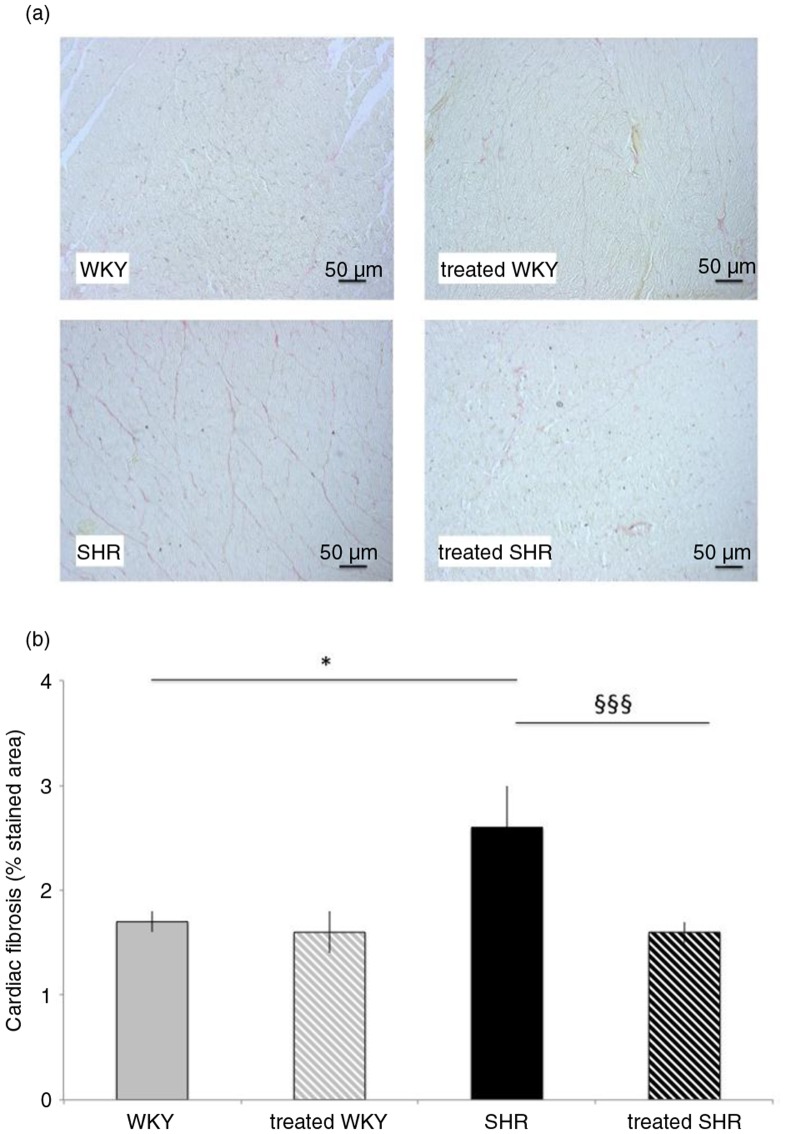
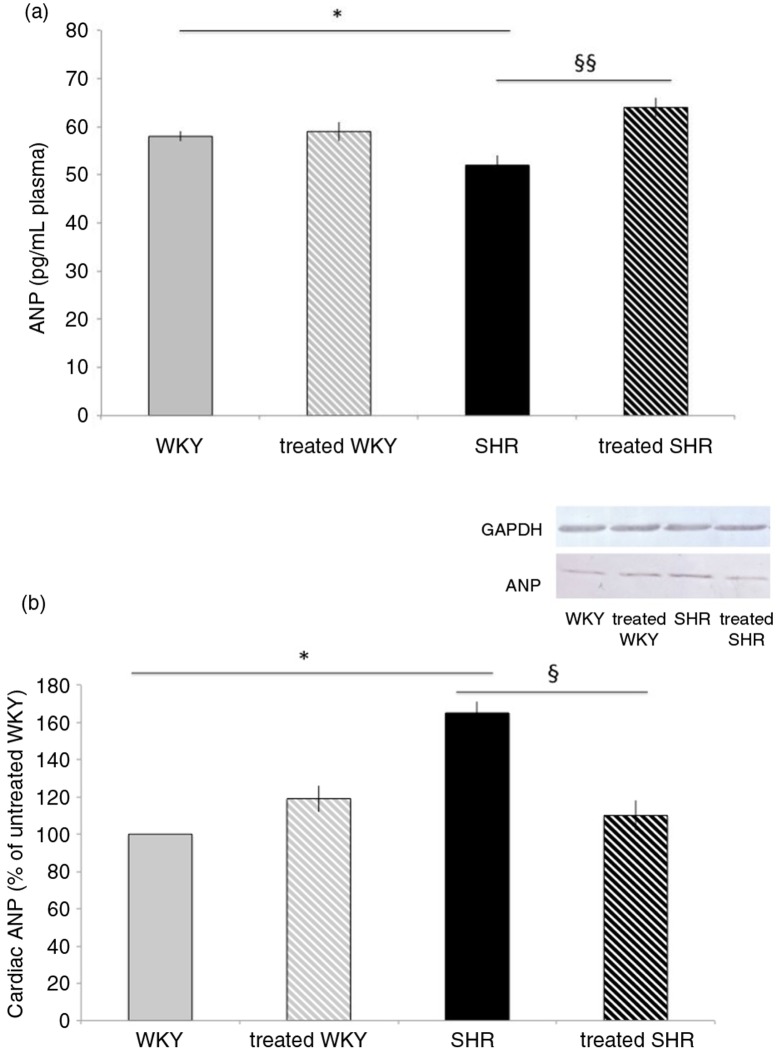
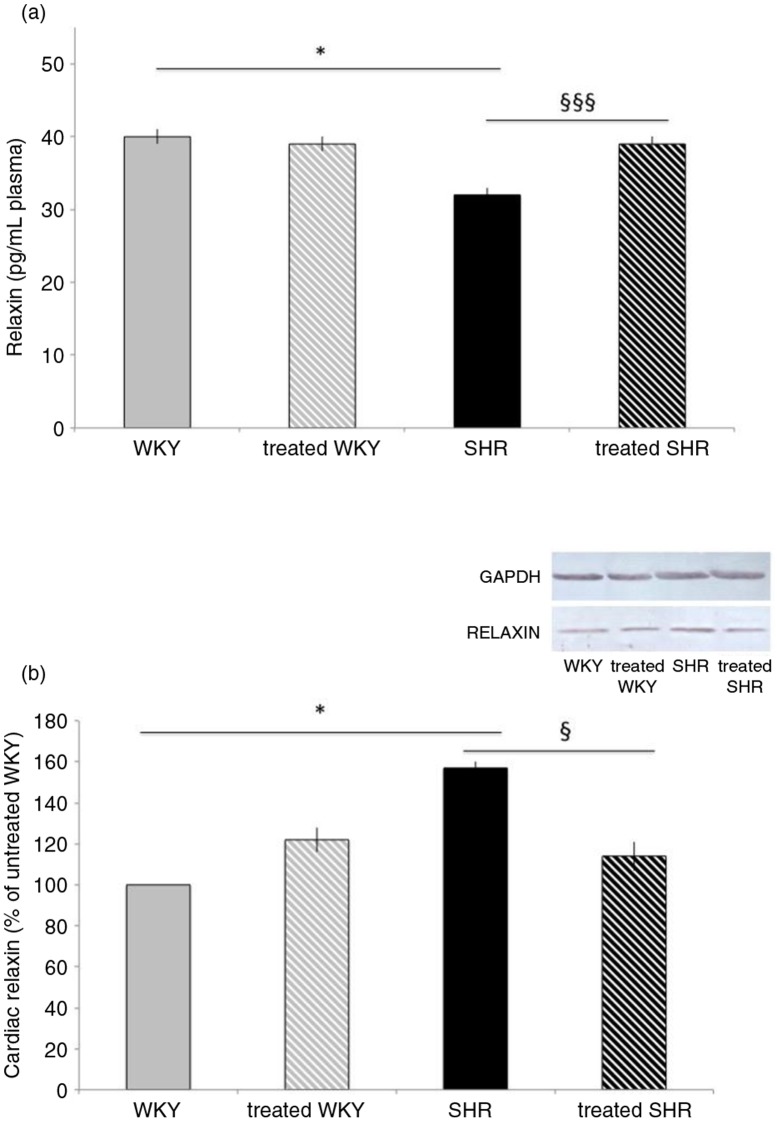
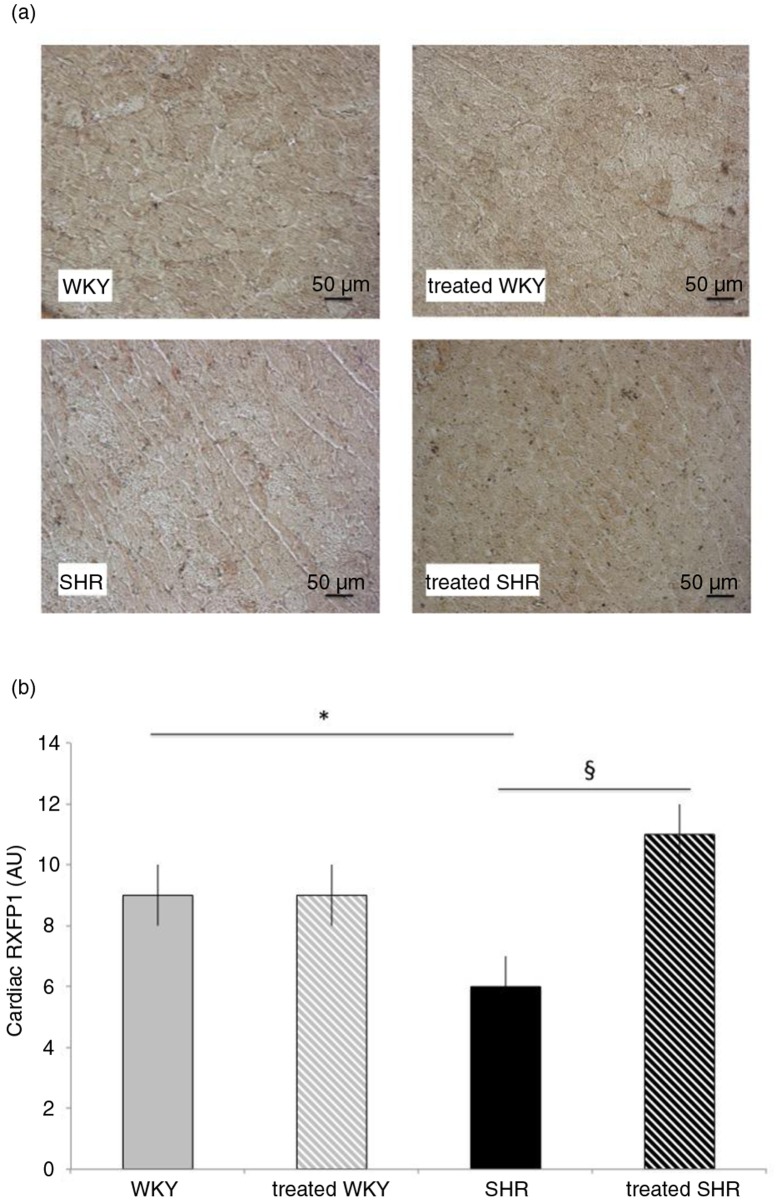
The melon concentrate, given orally during 4 days, reduced cardiomyocyte size (by 25%) and totally reversed cardiac collagen content (Sirius red staining) in SHR but not in their normotensive controls. Treatment with the melon concentrate lowered cardiac nitrotyrosine-stained area (by 45%) and increased by 17-19% the cardiac expression (Western blot) of superoxide dismutase (SOD) and glutathione peroxidase. In addition, plasma relaxin concentration was normalized while cardiac relaxin (Western blot) was lowered in treated SHR. Cardiac relaxin receptor level determined by immunohistochemical analysis increased only in treated SHR. Similarly, the melon concentrate reversed the reduction of plasma ANP concentration and lowered its cardiac expression.
The present results demonstrate that reversal of cardiac fibrosis by the melon concentrate involves antioxidant defenses, as well as relaxin and ANP pathways restoration. It is suggested that dietary SOD supplementation could be a useful additional strategy against cardiac hypertrophy and fibrosis.
在人类原发性高血压模型自发性高血压大鼠(SHR)中,氧化应激参与了与高血压相关的心肌肥大和纤维化的发展。膳食补充具有抗氧化特性的物质可能对心脏重塑具有有益作用。我们之前证明了一种具有抗氧化特性的特定甜瓜(甜瓜)浓缩物对自发性高血压大鼠具有强大的抗肥大作用。据报道,松弛素和心房利钠肽(ANP)在各种实验模型中可减少胶原蛋白沉积和纤维化进展。
本研究的目的是检验以下假设:除了降低氧化应激外,甜瓜浓缩物可能通过松弛素、其受体(松弛素/胰岛素样家族肽受体1,RXFP1)和ANP在SHR中发挥作用。
连续4天口服甜瓜浓缩物可减小SHR的心肌细胞大小(降低25%)并完全逆转心脏胶原蛋白含量(天狼星红染色),但对其正常血压对照组无效。用甜瓜浓缩物治疗可降低心脏硝基酪氨酸染色面积(降低45%),并使超氧化物歧化酶(SOD)和谷胱甘肽过氧化物酶的心脏表达(蛋白质印迹法)增加17 - 19%。此外,治疗的SHR血浆松弛素浓度恢复正常,而心脏松弛素(蛋白质印迹法)降低。通过免疫组织化学分析测定的心脏松弛素受体水平仅在治疗的SHR中增加。同样,甜瓜浓缩物逆转了血浆ANP浓度的降低并降低了其心脏表达。
目前的结果表明,甜瓜浓缩物对心脏纤维化的逆转涉及抗氧化防御以及松弛素和ANP途径的恢复。建议膳食补充SOD可能是对抗心肌肥大和纤维化的一种有用的额外策略。