Manssuer Luis R, Pawling Ralph, Hayes Amy E, Tipper Steven P
a School of Psychology , Bangor University , Gwynedd , UK.
b School of Sport, Health and Exercise Sciences , Bangor University , Gwynedd , UK.
Cogn Neurosci. 2016 Jan-Oct;7(1-4):82-102. doi: 10.1080/17588928.2015.1085374. Epub 2015 Oct 7.
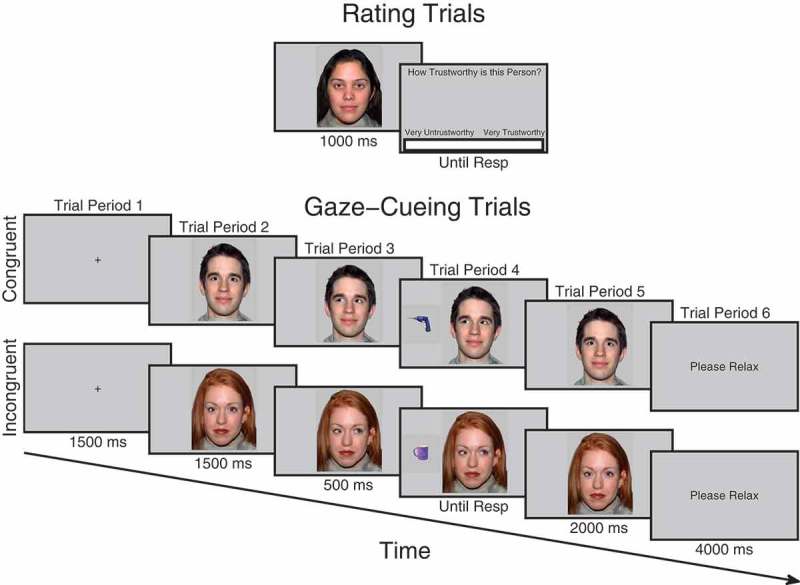
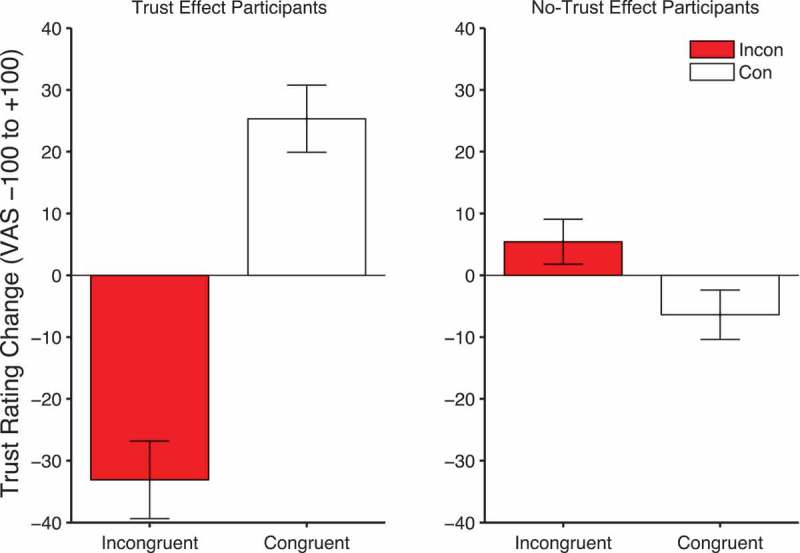
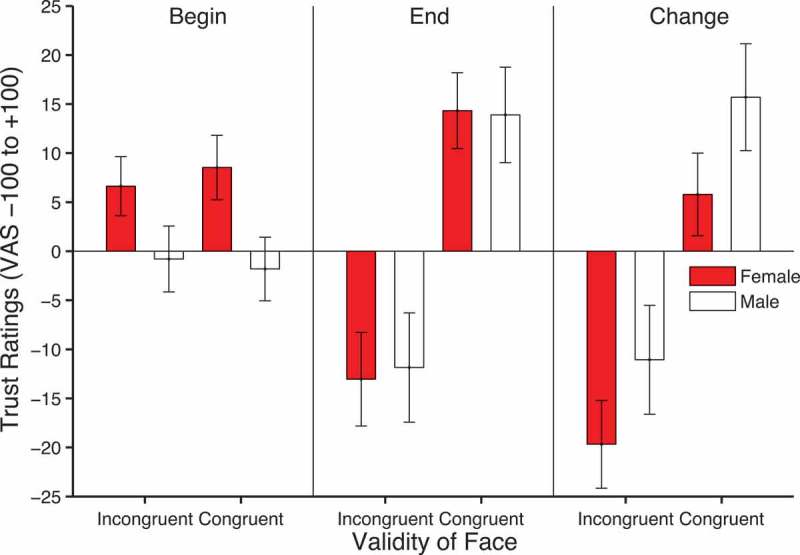
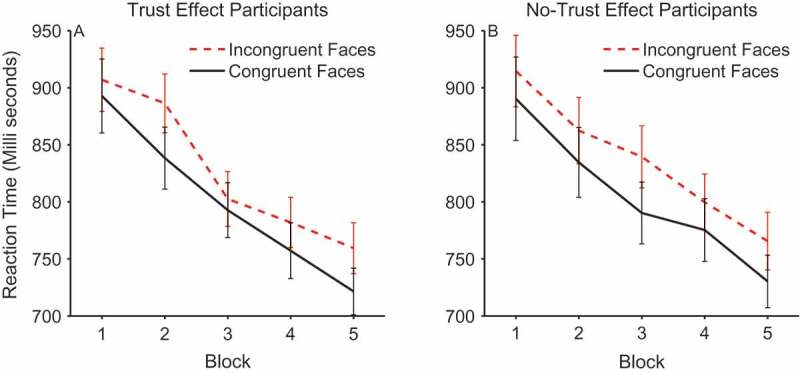
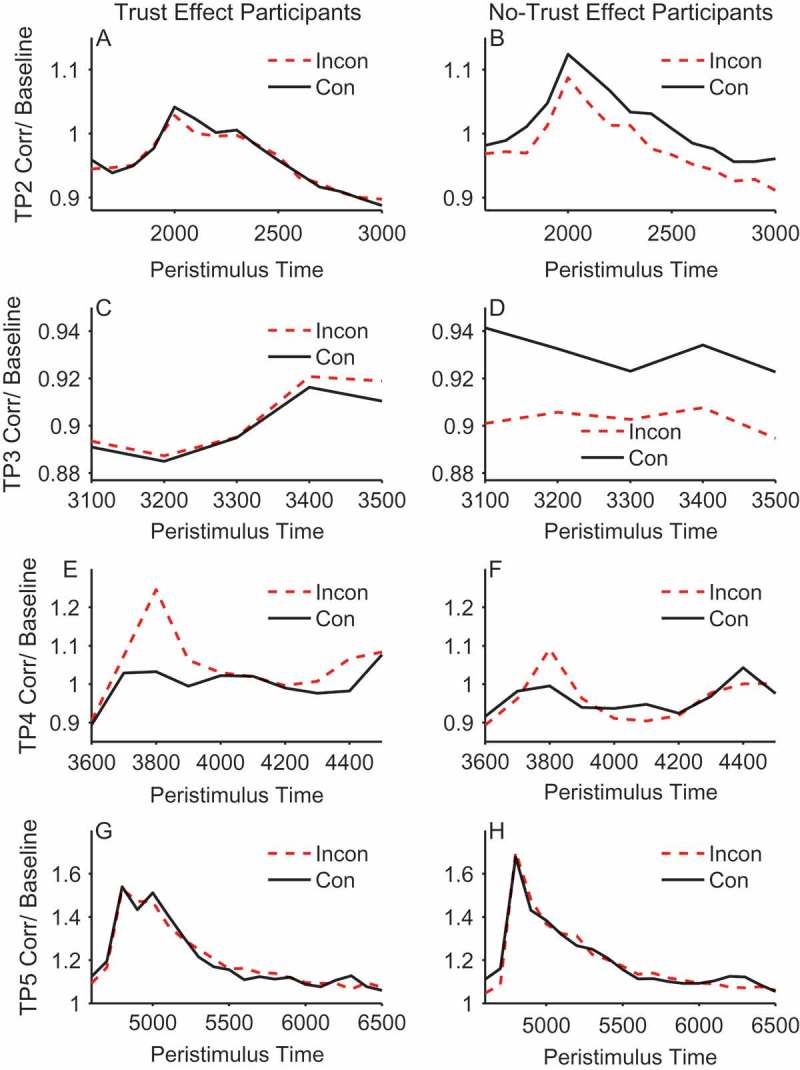
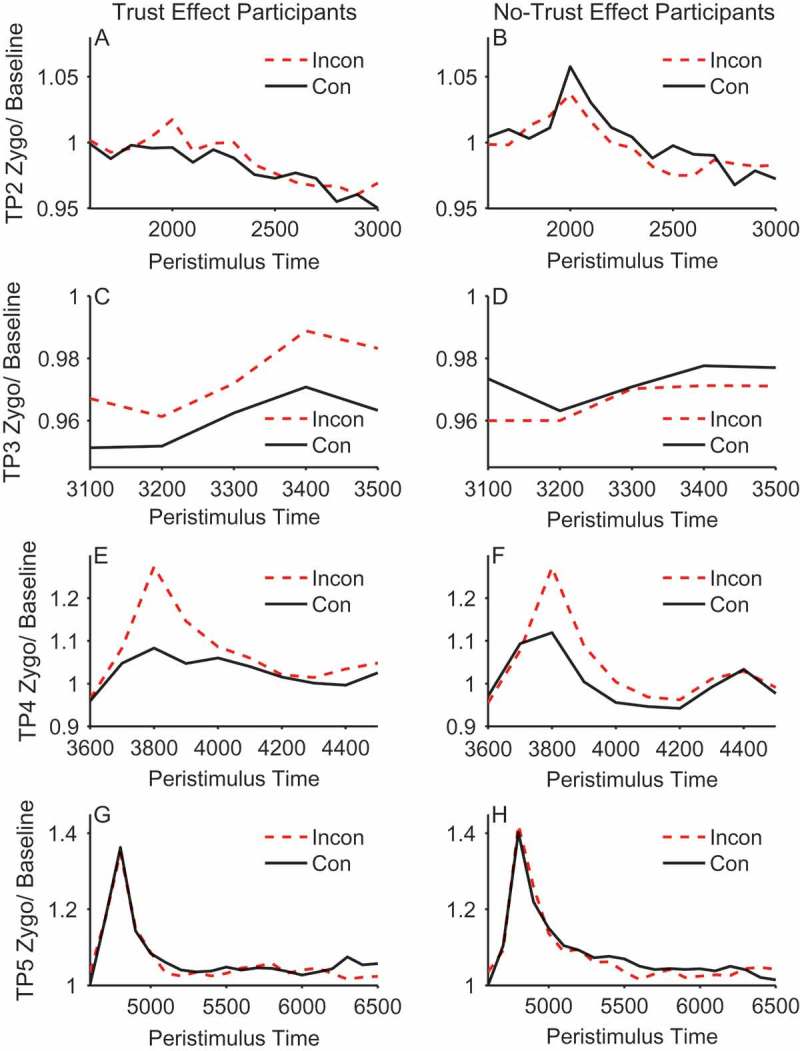
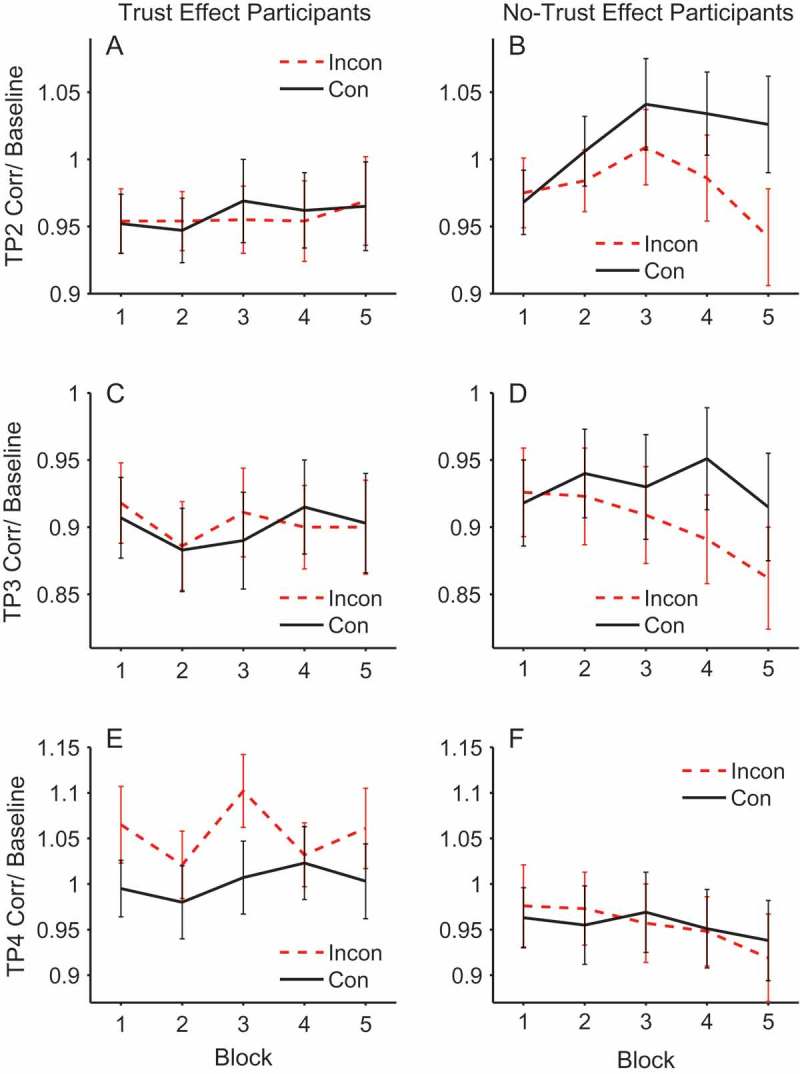
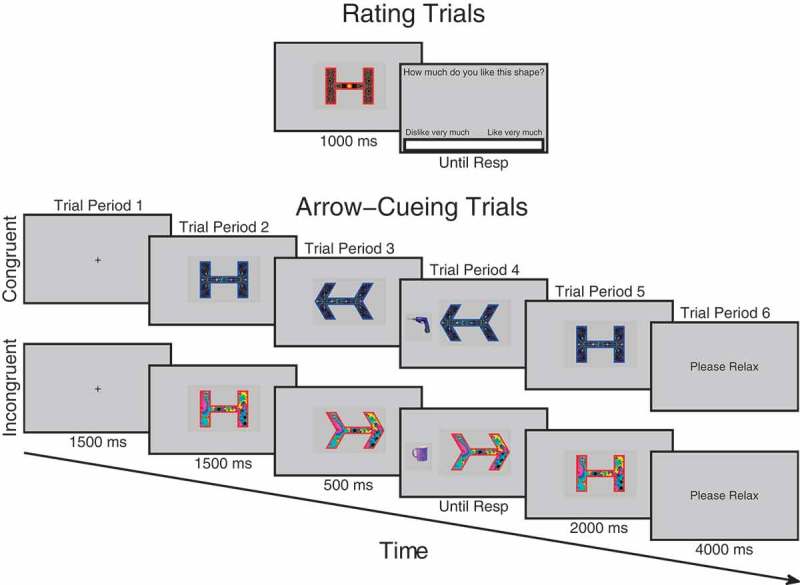
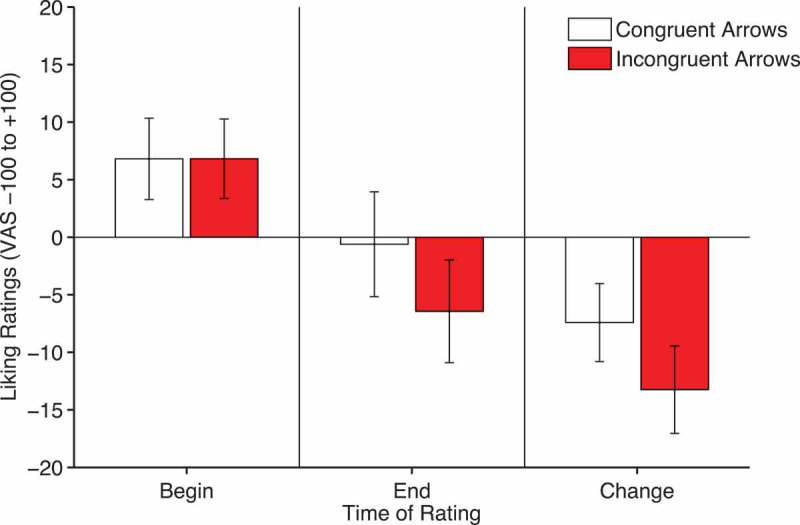
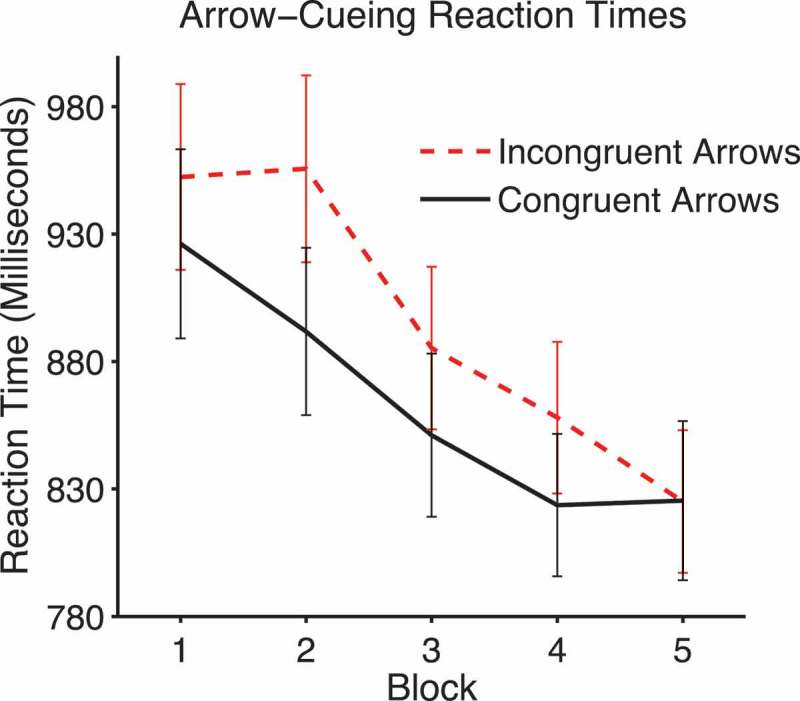
Gaze direction can be used to rapidly and reflexively lead or mislead others' attention as to the location of important stimuli. When perception of gaze direction is congruent with the location of a target, responses are faster compared to when incongruent. Faces that consistently gaze congruently are also judged more trustworthy than faces that consistently gaze incongruently. However, it's unclear how gaze-cues elicit changes in trust. We measured facial electromyography (EMG) during an identity-contingent gaze-cueing task to examine whether embodied emotional reactions to gaze-cues mediate trust learning. Gaze-cueing effects were found to be equivalent regardless of whether participants showed learning of trust in the expected direction or did not. In contrast, we found distinctly different patterns of EMG activity in these two populations. In a further experiment we showed the learning effects were specific to viewing faces, as no changes in liking were detected when viewing arrows that evoked similar attentional orienting responses. These findings implicate embodied emotion in learning trust from identity-contingent gaze-cueing, possibly due to the social value of shared attention or deception rather than domain-general attentional orienting.
注视方向可被用于迅速且自动地引导或误导他人对重要刺激位置的注意力。当对注视方向的感知与目标位置一致时,与不一致时相比,反应会更快。始终一致注视的面孔也比始终不一致注视的面孔被认为更值得信赖。然而,尚不清楚注视线索是如何引发信任变化的。我们在一项身份相关的注视线索任务中测量了面部肌电图(EMG),以检验对注视线索的具身情绪反应是否介导了信任学习。无论参与者是否在预期方向上表现出信任学习,注视线索效应都被发现是等同的。相比之下,我们在这两类人群中发现了明显不同的肌电图活动模式。在进一步的实验中,我们表明学习效应特定于对面孔的观察,因为在观察引发类似注意力定向反应的箭头时,没有检测到喜好的变化。这些发现表明具身情绪在从身份相关的注视线索中学习信任方面发挥作用,这可能是由于共享注意力或欺骗的社会价值,而非一般领域的注意力定向。