Song Yanan, Hu Bin, Qu Hongjie, Wang Lu, Zhang Yunxiao, Tao Jinchao, Cui Jinquan
The Department of Obstetrics and Gynecology, The Second Affiliated Hospital, Zhengzhou University, Zhengzhou, 450014, China.
The College of Chemistry and Molecular Engineering, Zhengzhou University, Zhengzhou, 450052, China.
Oncotarget. 2016 Jun 14;7(24):36154-36167. doi: 10.18632/oncotarget.8959.
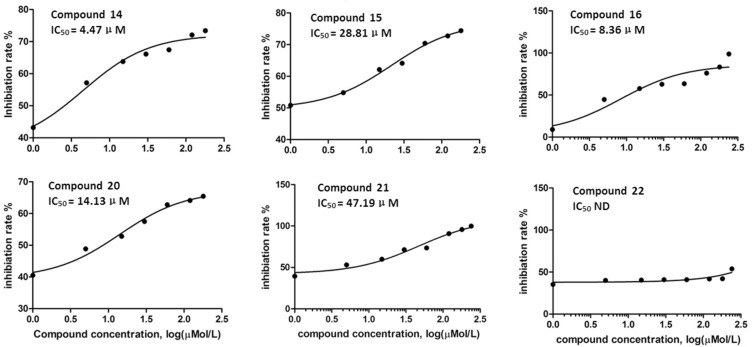
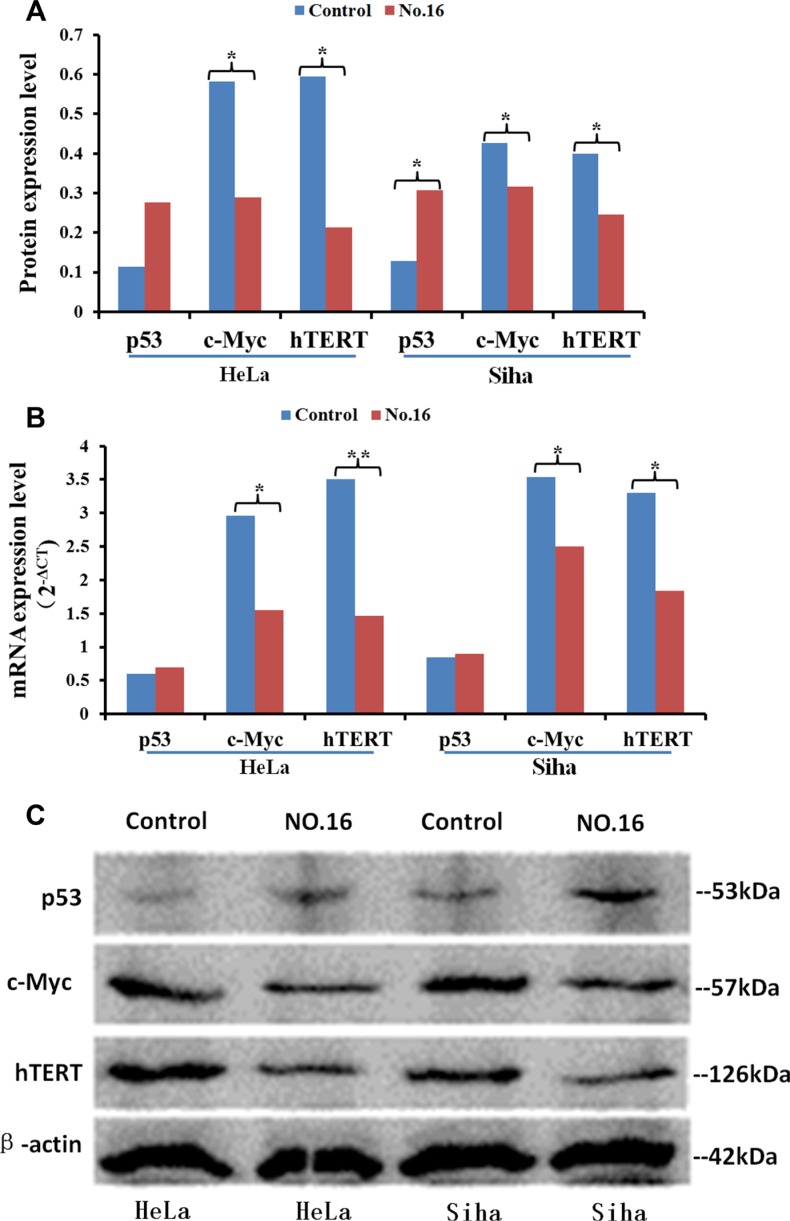
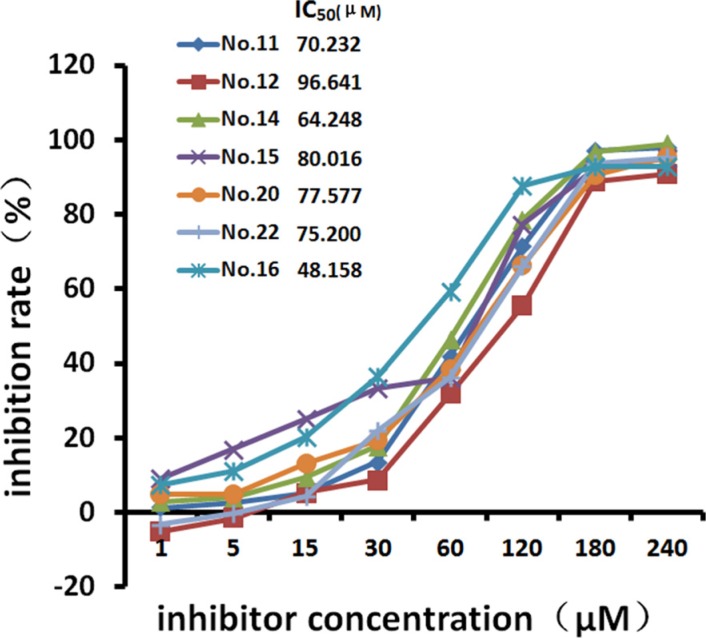
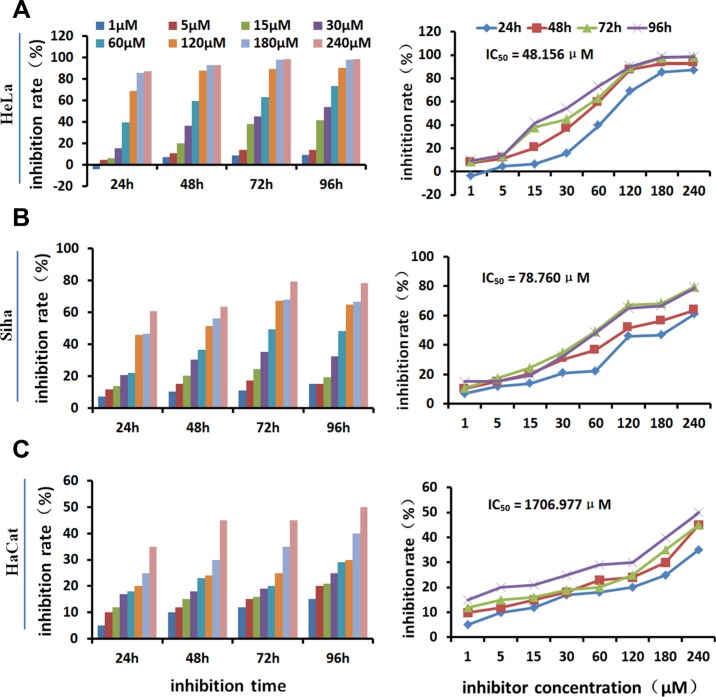
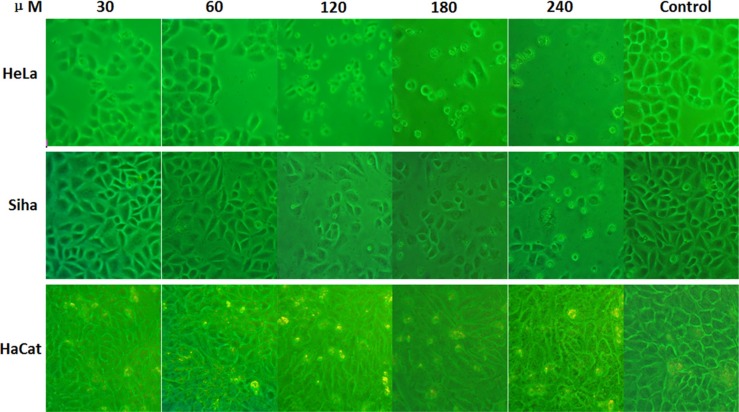
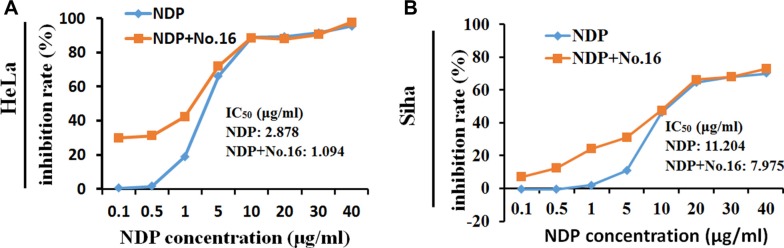
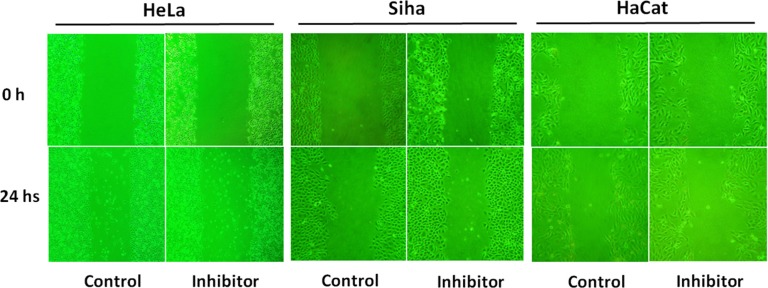
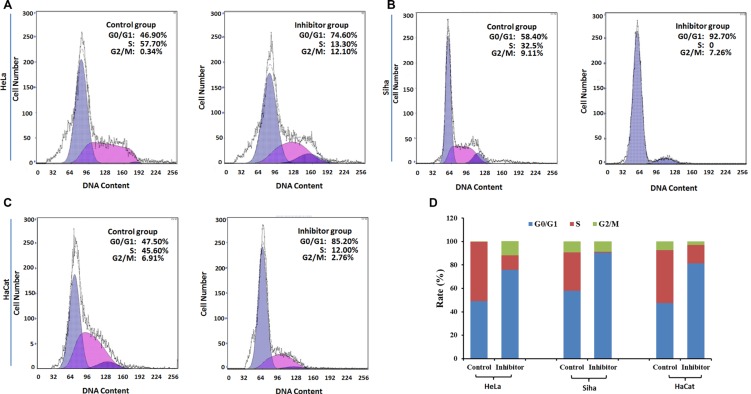
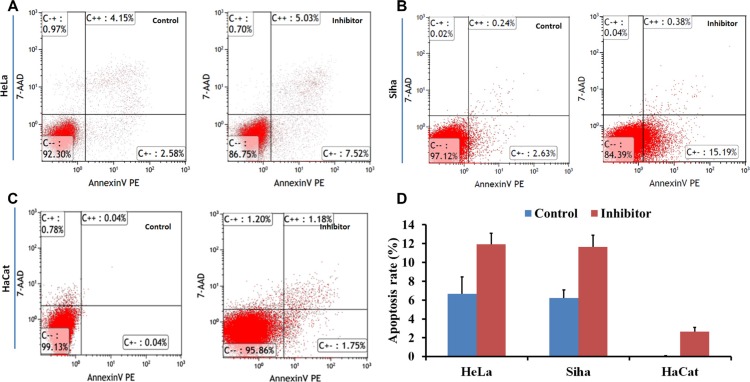
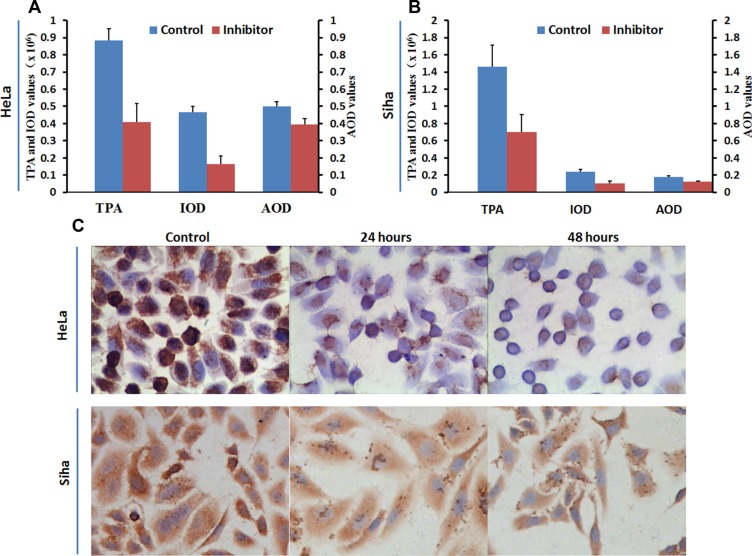
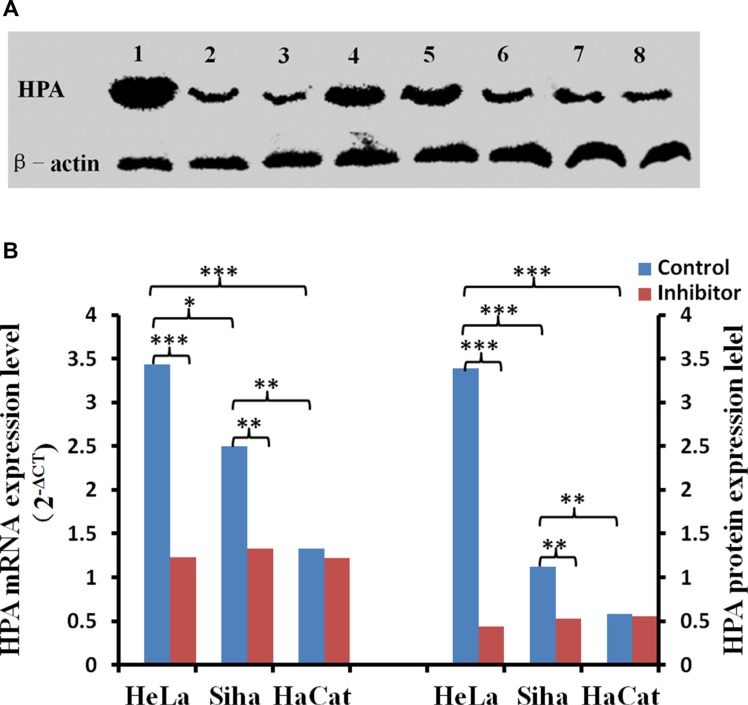
Heparanase (HPA) is an enzyme that plays an important role in cancer metastasis and angiogenesis and is a potential target for molecular treatment of tumors. We previously found that abnormally high HPA expression in cervical cancer tissues is associated with poor survival and increased lymph node metastasis. The present study was conducted to assess the utility of inhibiting HPA enzyme activity in cervical cancer treatment. Two series of 13 novel HPA inhibitors were synthesized and optimized. All tested inhibitors reduced HPA enzyme activity (IC50 values ranged from 4.47 μM to 47.19 μM) and inhibited the growth of HeLa cells (IC50 values ranged from 48.16 μM to 96.64 μM). The No. 16 inhibitor inhibited the migration and growth of HeLa and Siha cells in a dose- and time-dependent manner, and increased cell apoptosis and cell cycle G0/G1 and G2/M phase arrest, while decreasing the S phase cell population. More importantly, No. 16 sensitized cervical cancer cells to low concentrations of nedaplatin, decreased HPA, c-Myc and h-TERT levels, and increased p53 levels in HeLa and Siha cells. These results suggest that this HPA inhibitor reduced proliferation and HPA expression in cervical cancer cells by restoring p53 activity and downregulating h-TERT and c-Myc expression.
乙酰肝素酶(HPA)是一种在癌症转移和血管生成中起重要作用的酶,是肿瘤分子治疗的潜在靶点。我们之前发现宫颈癌组织中HPA表达异常高与生存率低和淋巴结转移增加有关。本研究旨在评估抑制HPA酶活性在宫颈癌治疗中的效用。合成并优化了两系列共13种新型HPA抑制剂。所有测试的抑制剂均降低了HPA酶活性(IC50值范围为4.47μM至47.19μM),并抑制了HeLa细胞的生长(IC50值范围为48.16μM至96.64μM)。16号抑制剂以剂量和时间依赖性方式抑制HeLa和Siha细胞的迁移和生长,并增加细胞凋亡以及细胞周期G0/G1和G2/M期阻滞,同时减少S期细胞群体。更重要的是,16号抑制剂使宫颈癌细胞对低浓度奈达铂敏感,降低了HeLa和Siha细胞中HPA、c-Myc和h-TERT的水平,并增加了p53水平。这些结果表明,这种HPA抑制剂通过恢复p53活性并下调h-TERT和c-Myc表达,降低了宫颈癌细胞的增殖和HPA表达。