French Isobel T, Muthusamy Kalai A
Department of Surgery, University Malaya Kuala Lumpur, Malaysia.
Front Aging Neurosci. 2016 May 23;8:114. doi: 10.3389/fnagi.2016.00114. eCollection 2016.
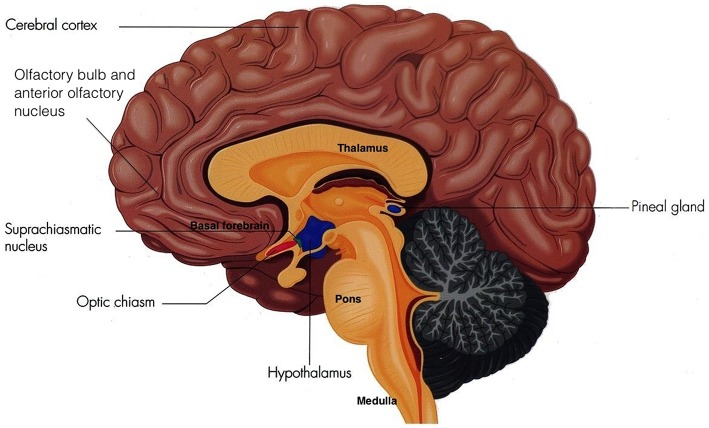
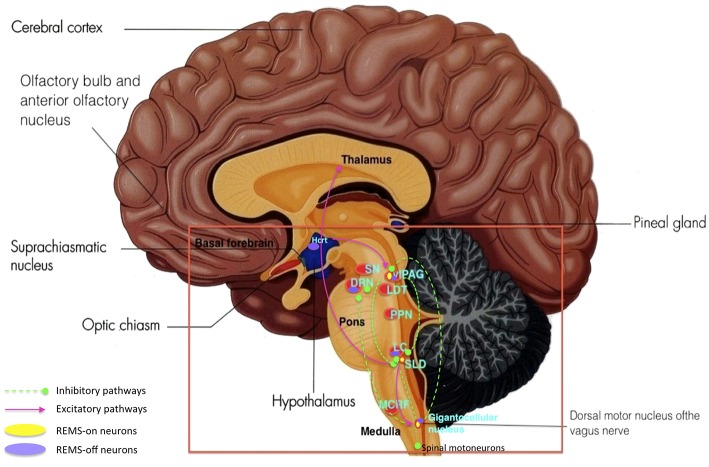
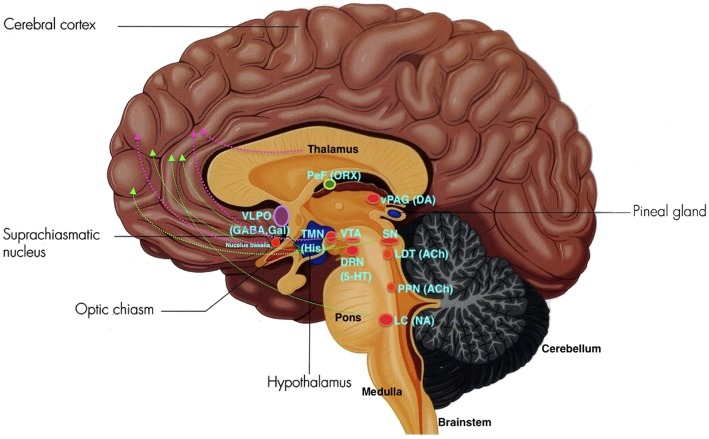
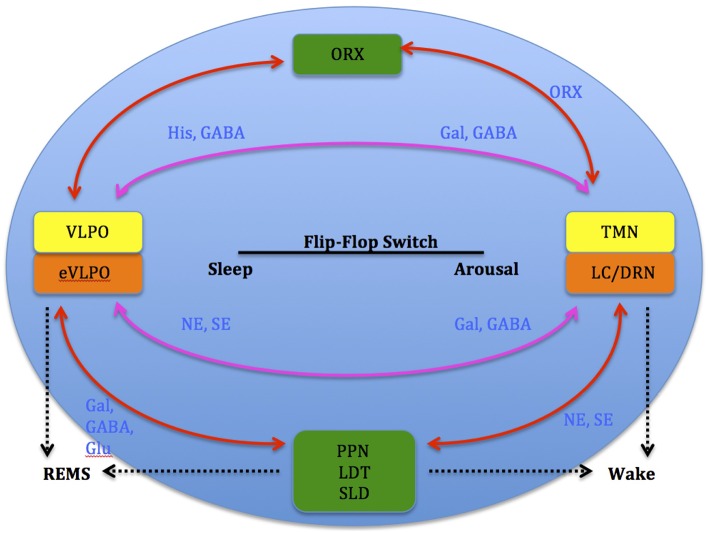
Sleep is an indispensable normal physiology of the human body fundamental for healthy functioning. It has been observed that Parkinson's disease (PD) not only exhibits motor symptoms, but also non-motor symptoms such as metabolic irregularities, altered olfaction, cardiovascular dysfunction, gastrointestinal complications and especially sleep disorders which is the focus of this review. A good understanding and knowledge of the different brain structures involved and how they function in the development of sleep disorders should be well comprehended in order to treat and alleviate these symptoms and enhance quality of life for PD patients. Therefore it is vital that the normal functioning of the body in relation to sleep is well understood before proceeding on to the pathophysiology of PD correlating to its symptoms. Suitable treatment can then be administered toward enhancing the quality of life of these patients, perhaps even discovering the cause for this disease.
睡眠是人体不可或缺的正常生理功能,对健康运作至关重要。据观察,帕金森病(PD)不仅表现出运动症状,还伴有非运动症状,如代谢紊乱、嗅觉改变、心血管功能障碍、胃肠道并发症,尤其是睡眠障碍,而这正是本综述的重点。为了治疗和缓解这些症状并提高帕金森病患者的生活质量,需要充分理解参与其中的不同脑结构及其在睡眠障碍发生过程中的功能。因此,在探讨与帕金森病症状相关的病理生理学之前,充分了解身体与睡眠相关的正常功能至关重要。然后可以采取适当的治疗措施来提高这些患者的生活质量,甚至可能发现这种疾病的病因。