Ramanujan Ajeena, Tiwari Swati
School of Biotechnology, Jawaharlal Nehru University, New Mehrauli Road, New Delhi 110067, India.
School of Biotechnology, Jawaharlal Nehru University, New Mehrauli Road, New Delhi 110067, India
Biosci Rep. 2016 Sep 16;36(5). doi: 10.1042/BSR20160152. Print 2016 Oct.
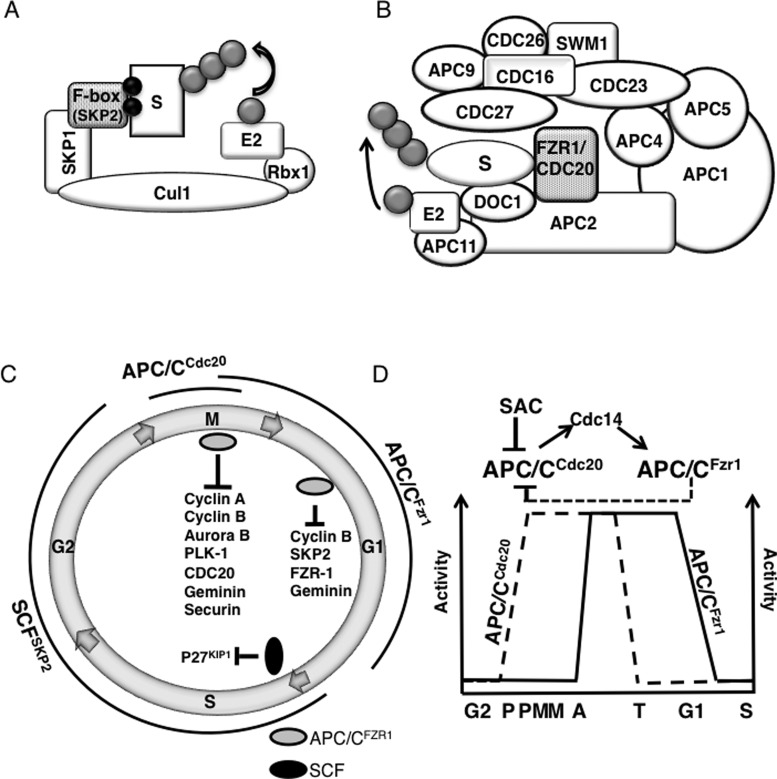
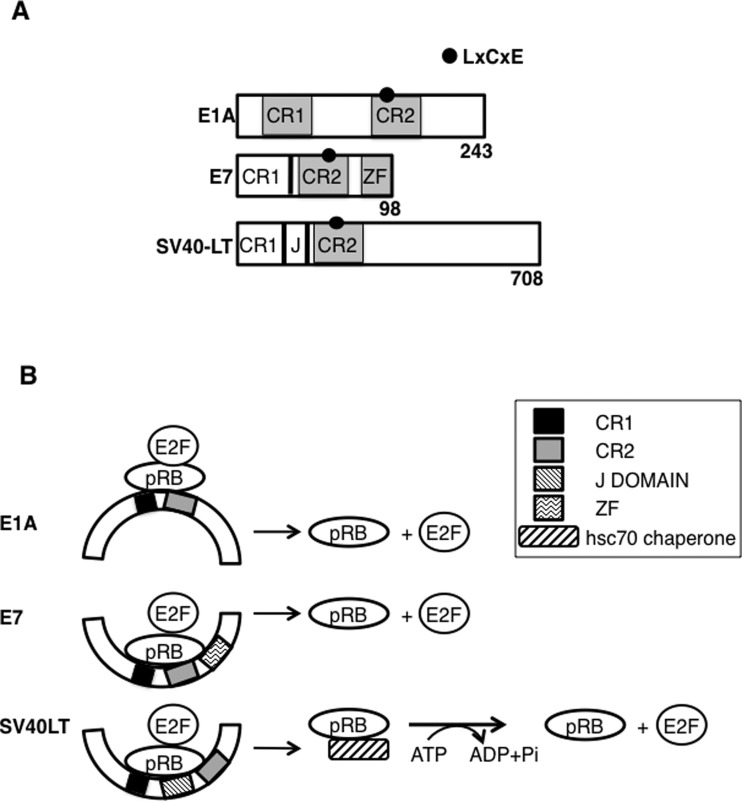
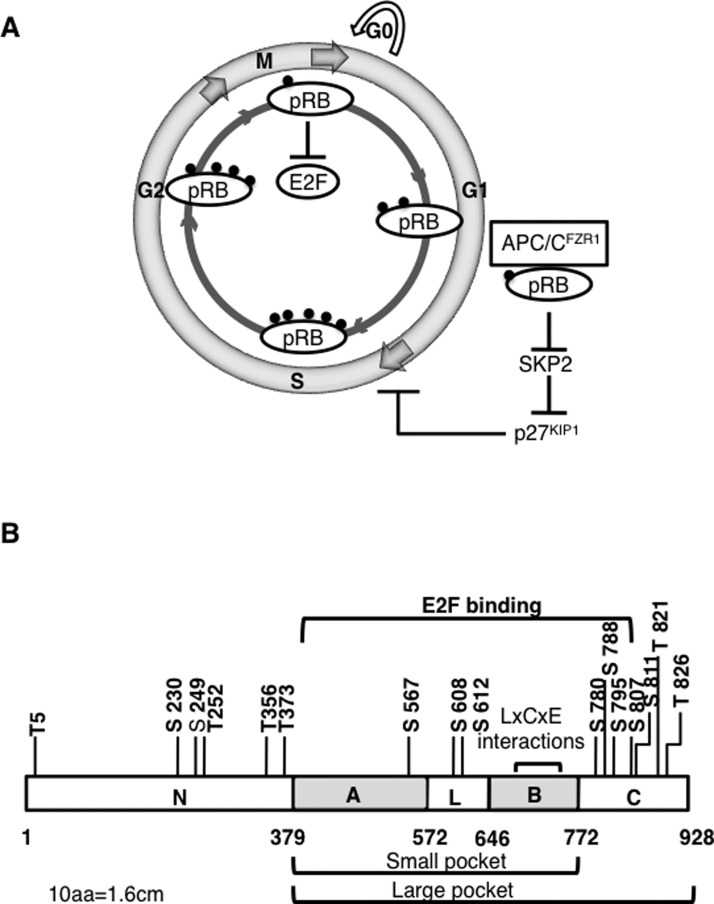
The ubiquitin (Ub) ligase anaphase promoting complex/cyclosome (APC/C) and the tumour suppressor retinoblastoma protein (pRB) play key roles in cell cycle regulation. APC/C is a critical regulator of mitosis and G1-phase of the cell cycle whereas pRB keeps a check on proliferation by inhibiting transition to the S-phase. APC/C and pRB interact with each other via the co-activator of APC/C, FZR1, providing an alternative pathway of regulation of G1 to S transition by pRB using a post-translational mechanism. Both pRB and FZR1 have complex roles and are implicated not only in regulation of cell proliferation but also in differentiation, quiescence, apoptosis, maintenance of chromosomal integrity and metabolism. Both are also targeted by transforming viruses. We discuss recent advances in our understanding of the involvement of APC/C and pRB in cell cycle based decisions and how these insights will be useful for development of anti-cancer and anti-viral drugs.
泛素(Ub)连接酶后期促进复合物/细胞周期体(APC/C)和肿瘤抑制因子视网膜母细胞瘤蛋白(pRB)在细胞周期调控中发挥关键作用。APC/C是细胞周期有丝分裂和G1期的关键调节因子,而pRB通过抑制向S期的转变来控制细胞增殖。APC/C和pRB通过APC/C的共激活因子FZR1相互作用,为pRB利用翻译后机制调控G1期向S期转变提供了一条替代途径。pRB和FZR1都具有复杂的作用,不仅参与细胞增殖的调控,还涉及分化、静止、凋亡、染色体完整性的维持和代谢。二者也是转化病毒的作用靶点。我们讨论了在理解APC/C和pRB参与基于细胞周期的决策方面的最新进展,以及这些见解将如何有助于抗癌和抗病毒药物的开发。