Institute of Modern Physics, Chinese Academy of Sciences,509 Nanchang Rd., Lanzhou, Gansu 730000, P. R. China.
Nanjing Agricultural University, Nanjing 210095, P. R. China.
Sci Rep. 2016 Jul 18;6:29968. doi: 10.1038/srep29968.
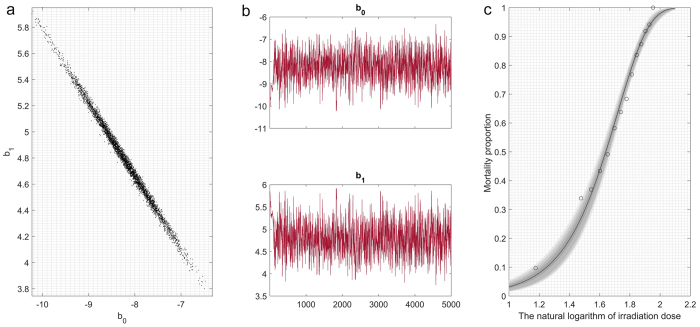
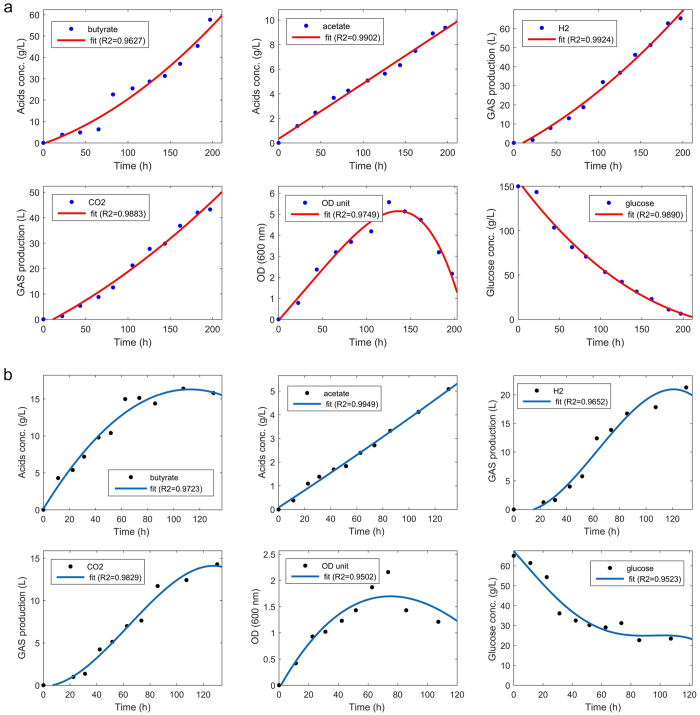
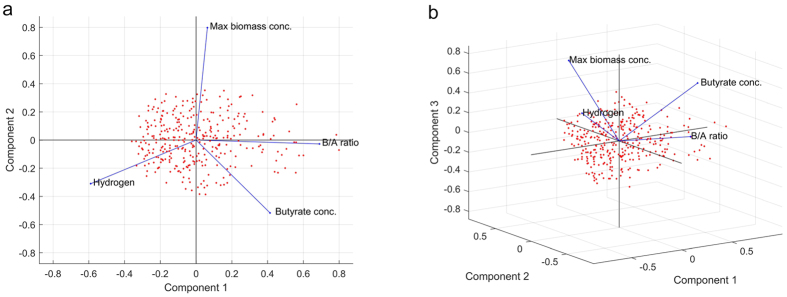
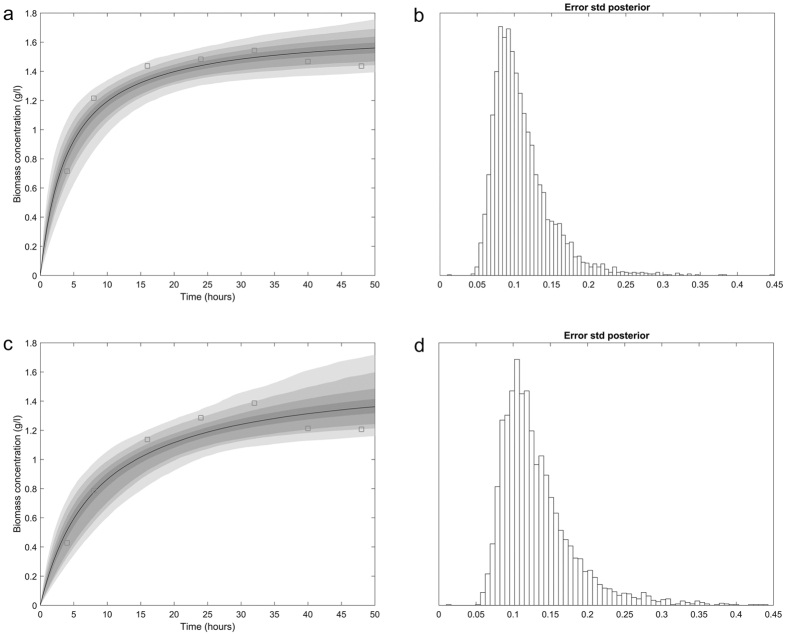
End-product inhibition is a key factor limiting the production of organic acid during fermentation. Two rounds of heavy-ion beam irradiation may be an inexpensive, indispensable and reliable approach to increase the production of butyric acid during industrial fermentation processes. However, studies of the application of heavy ion radiation for butyric acid fermentation engineering are lacking. In this study, a second (12)C(6+) heavy-ion irradiation-response curve is used to describe the effect of exposure to a given dose of heavy ions on mutant strains of Clostridium tyrobutyricum. Versatile statistical elements are introduced to characterize the mechanism and factors contributing to improved butyric acid production and enhanced acid tolerance in adapted mutant strains harvested from the fermentations. We characterized the physiological properties of the strains over a large pH value gradient, which revealed that the mutant strains obtained after a second round of radiation exposure were most resistant to harsh external pH values and were better able to tolerate external pH values between 4.5 and 5.0. A customized second round of heavy-ion beam irradiation may be invaluable in process engineering.
终产物抑制是限制发酵过程中有机酸生产的关键因素。两轮重离子束辐照可能是提高工业发酵过程中丁酸产量的一种廉价、不可或缺且可靠的方法。然而,关于重离子辐射在丁酸发酵工程中应用的研究还很缺乏。在这项研究中,我们使用第二条(12)C(6+)重离子辐照响应曲线来描述暴露于给定剂量重离子对丁酸梭菌突变株的影响。引入了多种统计元素来描述机制和因素,这些因素有助于提高适应突变株的丁酸产量和增强其耐酸能力,这些适应突变株是从发酵中收获的。我们在大的 pH 值梯度范围内对菌株的生理特性进行了表征,结果表明,经过第二轮辐照后获得的突变株对恶劣的外部 pH 值具有最强的抗性,并且能够更好地耐受 4.5 到 5.0 之间的外部 pH 值。定制的第二轮重离子束辐照在过程工程中可能具有重要价值。