Betancor Mónica B, Sprague Matthew, Sayanova Olga, Usher Sarah, Metochis Christoforos, Campbell Patrick J, Napier Johnathan A, Tocher Douglas R
Institute of Aquaculture, School of Natural Sciences, University of Stirling, Stirling FK9 4LA, United Kingdom.
Department of Biological Chemistry and Crop Protection, Rothamsted Research, Harpenden AL5 2JQ, United Kingdom.
PLoS One. 2016 Jul 25;11(7):e0159934. doi: 10.1371/journal.pone.0159934. eCollection 2016.
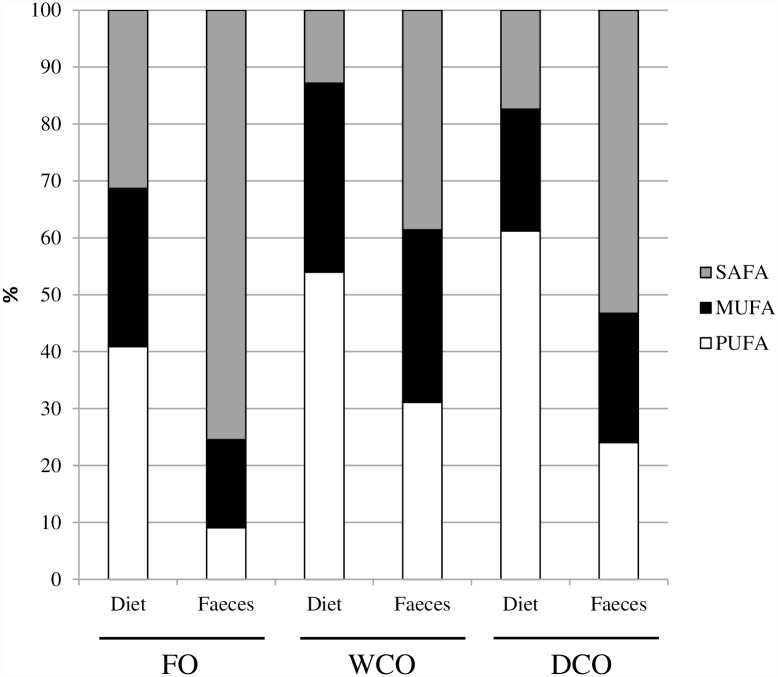
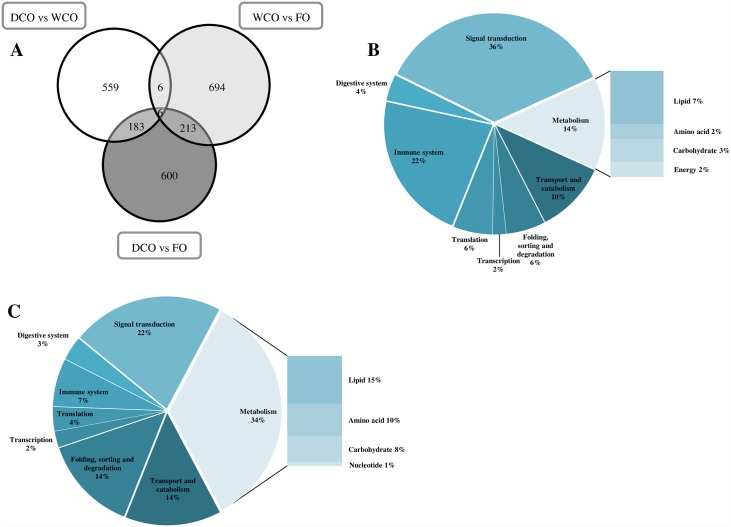
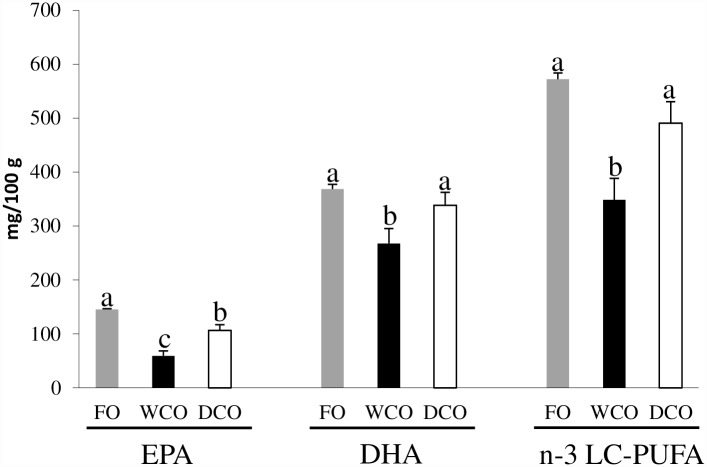
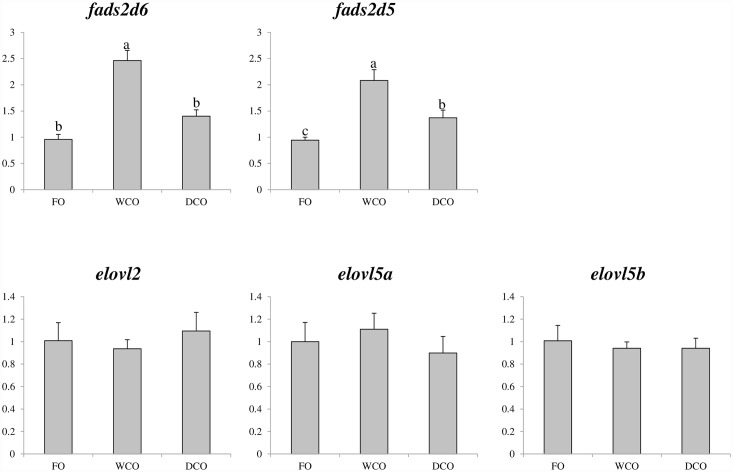
Vegetable oils (VO) are possible substitutes for fish oil in aquafeeds but their use is limited by their lack of omega-3 (n-3) long-chain polyunsaturated fatty acids (LC-PUFA). However, oilseed crops can be modified to produce n-3 LC-PUFA such as eicosapentaenoic (EPA) and docosahexaenoic (DHA) acids, representing a potential option to fill the gap between supply and demand of these important nutrients. Camelina sativa was metabolically engineered to produce a seed oil with around 15% total n-3 LC-PUFA to potentially substitute for fish oil in salmon feeds. Post-smolt Atlantic salmon (Salmo salar) were fed for 11-weeks with one of three experimental diets containing either fish oil (FO), wild-type Camelina oil (WCO) or transgenic Camelina oil (DCO) as added lipid source to evaluate fish performance, nutrient digestibility, tissue n-3 LC-PUFA, and metabolic impact determined by liver transcriptome analysis. The DCO diet did not affect any of the performance or health parameters studied and enhanced apparent digestibility of EPA and DHA compared to the WCO diet. The level of total n-3 LC-PUFA was higher in all the tissues of DCO-fed fish than in WCO-fed fish with levels in liver similar to those in fish fed FO. Endogenous LC-PUFA biosynthetic activity was observed in fish fed both the Camelina oil diets as indicated by the liver transcriptome and levels of intermediate metabolites such as docosapentaenoic acid, with data suggesting that the dietary combination of EPA and DHA inhibited desaturation and elongation activities. Expression of genes involved in phospholipid and triacylglycerol metabolism followed a similar pattern in fish fed DCO and WCO despite the difference in n-3 LC-PUFA contents.
植物油(VO)可能是水产饲料中鱼油的替代品,但其使用受到缺乏ω-3(n-3)长链多不饱和脂肪酸(LC-PUFA)的限制。然而,油料作物可以通过基因改造来生产n-3 LC-PUFA,如二十碳五烯酸(EPA)和二十二碳六烯酸(DHA),这是填补这些重要营养素供需缺口的一个潜在选择。对荠蓝进行代谢工程改造,以生产一种总n-3 LC-PUFA含量约为15%的种子油,有可能替代三文鱼饲料中的鱼油。对后洄游期大西洋鲑(Salmo salar)投喂三种实验饲料之一,为期11周,这三种饲料分别含有鱼油(FO)、野生型荠蓝油(WCO)或转基因荠蓝油(DCO)作为添加脂质来源,以评估鱼类生长性能、养分消化率、组织n-3 LC-PUFA含量以及通过肝脏转录组分析确定的代谢影响。与WCO饲料相比,DCO饲料对所研究的任何生长性能或健康参数均无影响,但提高了EPA和DHA的表观消化率。DCO喂养的鱼的所有组织中总n-3 LC-PUFA水平均高于WCO喂养的鱼,肝脏中的水平与FO喂养的鱼相似。肝脏转录组和中间代谢产物如二十二碳五烯酸水平表明,在两种荠蓝油饲料喂养的鱼中均观察到内源性LC-PUFA生物合成活性,数据表明,EPA和DHA的饮食组合抑制了去饱和和延长活性。尽管n-3 LC-PUFA含量存在差异,但在DCO和WCO喂养的鱼中,参与磷脂和三酰甘油代谢的基因表达模式相似。