Yao Wei, Zhang Ji-Chun, Ishima Tamaki, Dong Chao, Yang Chun, Ren Qian, Ma Min, Han Mei, Wu Jin, Suganuma Hiroyuki, Ushida Yusuke, Yamamoto Masayuki, Hashimoto Kenji
Division of Clinical Neuroscience, Chiba University Center for Forensic Mental Health, Chiba 260-8670, Japan.
Innovation Division, KAGOME CO. LTD., Nasushiobara, Tochigi 329-2762, Japan.
Sci Rep. 2016 Jul 29;6:30659. doi: 10.1038/srep30659.
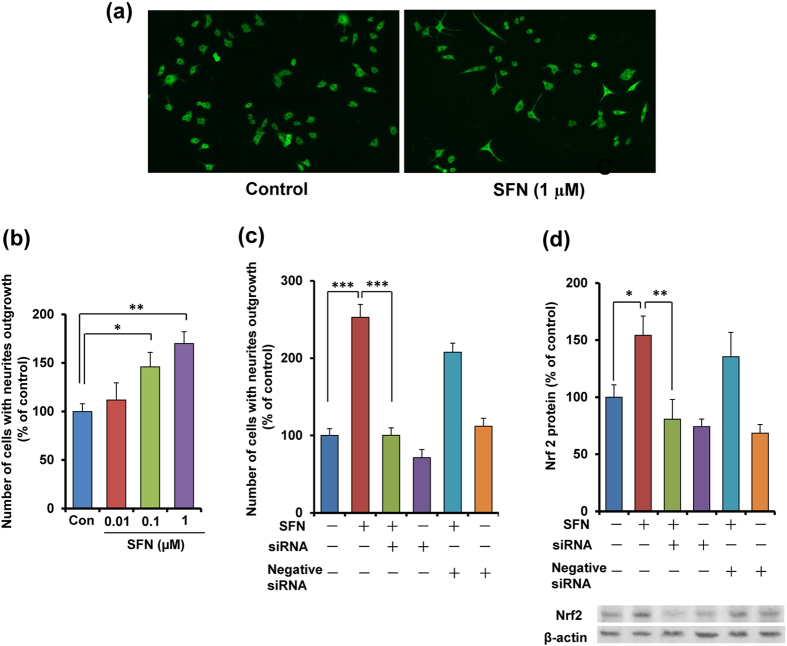
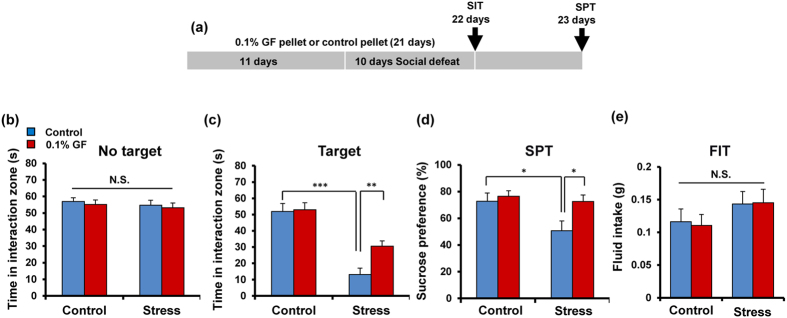
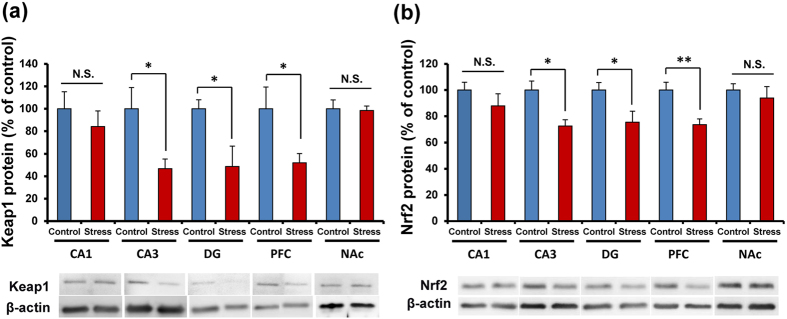
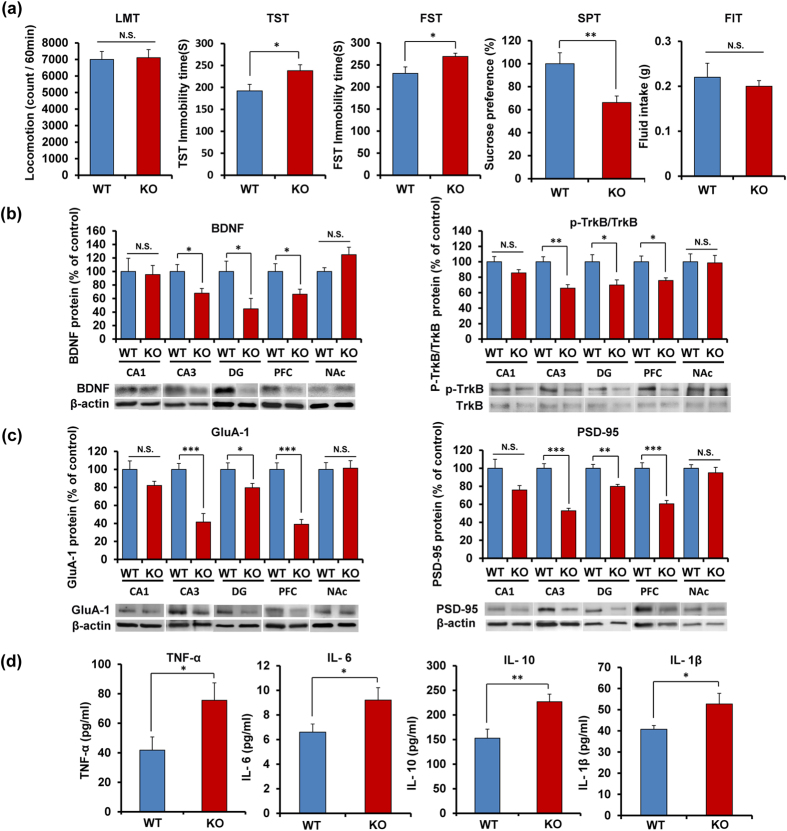
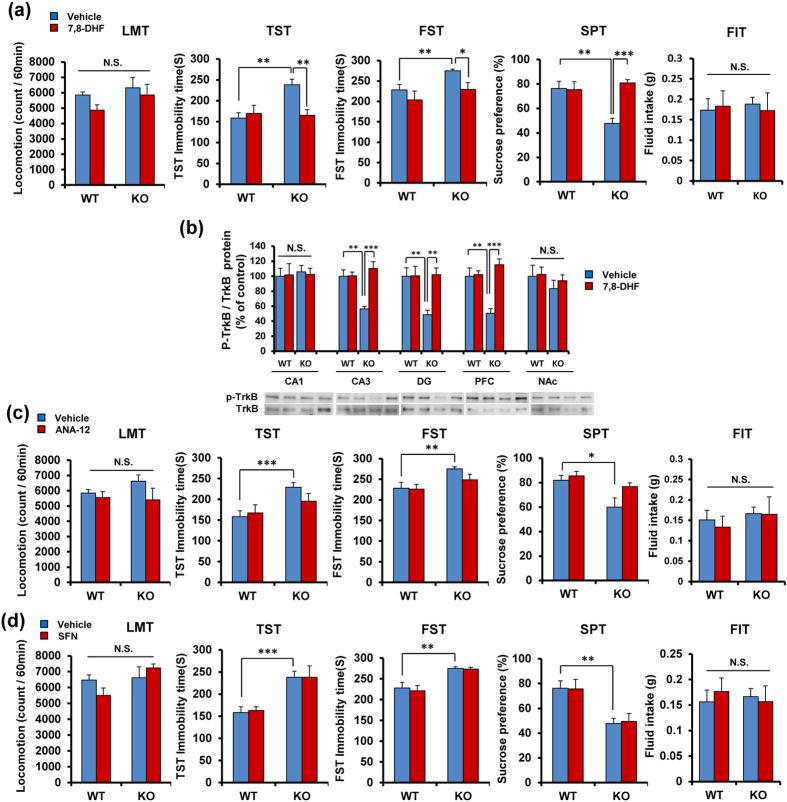
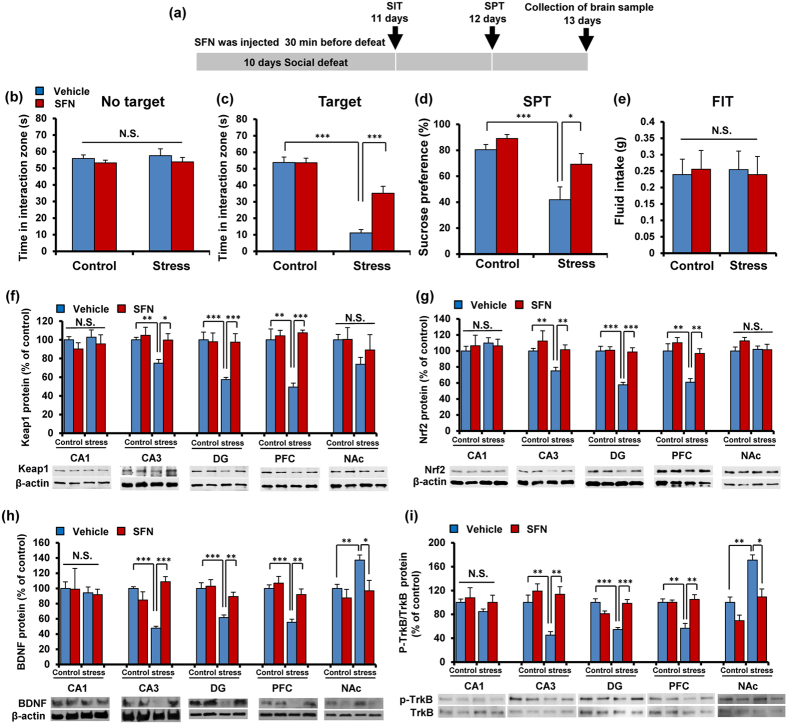
The transcription factor Keap1-Nrf2 system plays a key role in inflammation which is involved in depression. We found lower expression of Keap1 and Nrf2 proteins in the prefrontal cortex (PFC), CA3 and dentate gyrus (DG) of hippocampus in mice with depression-like phenotype compared to control mice. Serum levels of pro-inflammatory cytokines in Nrf2 knock-out (KO) mice were higher than those of wild-type mice, suggestive of enhanced inflammation in KO mice. Decreased brain-derived neurotrophic factor (BDNF) and its receptor tropomyosin-receptor-kinase B (TrkB) signaling in the PFC, CA3 and DG plays a role in the depression-like phenotype of Nrf2 KO mice. TrkB agonist 7,8-dihydroxyflavone, but not antagonist ANA-12, produced antidepressant effects in Nrf2 KO mice, by stimulating TrkB in the PFC, CA3 and DG. Pretreatment with Nrf2 activator sulforaphane (SFN) prevented the depression-like phenotype induced after repeated social defeat stress. Interestingly, dietary intake of 0.1% glucoraphanin (a precursor of SFN) containing food during juvenile and adolescent stages also prevented the depression-like phenotype evoked in adulthood, after repeated social defeat stress. These findings suggest that Keap1-Nrf2 system plays a key role in depression and that dietary intake of SFN-rich food during juvenile stages and adolescence can confer stress resilience in adulthood.
转录因子Keap1-Nrf2系统在与抑郁症相关的炎症中起关键作用。我们发现,与对照小鼠相比,具有抑郁样表型的小鼠前额叶皮质(PFC)、海马体的CA3和齿状回(DG)中Keap1和Nrf2蛋白的表达较低。Nrf2基因敲除(KO)小鼠的血清促炎细胞因子水平高于野生型小鼠,提示KO小鼠炎症增强。PFC、CA3和DG中脑源性神经营养因子(BDNF)及其受体原肌球蛋白受体激酶B(TrkB)信号的减少在Nrf2 KO小鼠的抑郁样表型中起作用。TrkB激动剂7,8-二羟基黄酮而非拮抗剂ANA-12通过刺激PFC、CA3和DG中的TrkB在Nrf2 KO小鼠中产生抗抑郁作用。用Nrf2激活剂萝卜硫素(SFN)预处理可预防反复社交挫败应激后诱导的抑郁样表型。有趣的是,在幼年和青少年阶段摄入含0.1%葡萄糖萝卜硫苷(SFN的前体)的食物也可预防成年后反复社交挫败应激诱发的抑郁样表型。这些发现表明,Keap1-Nrf2系统在抑郁症中起关键作用,并且在幼年阶段和青少年时期摄入富含SFN的食物可以在成年后赋予应激恢复力。