Dan Xiuli, Liu Wenlong, Wong Jack H, Ng Tzi B
School of Biomedical Sciences, Faculty of Medicine, The Chinese University of Hong Kong Hong Kong, China.
Shenzhen Key Laboratory of Marine Biomedical Materials, Shenzhen Institutes of Advanced Technology, The Chinese Academy of Sciences Shenzhen, China.
Front Pharmacol. 2016 Jul 25;7:217. doi: 10.3389/fphar.2016.00217. eCollection 2016.
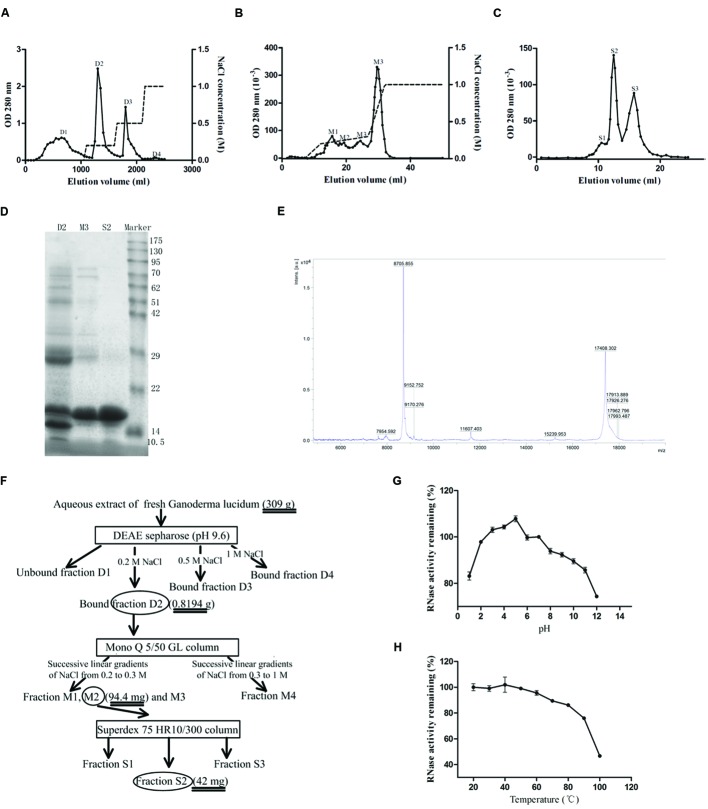
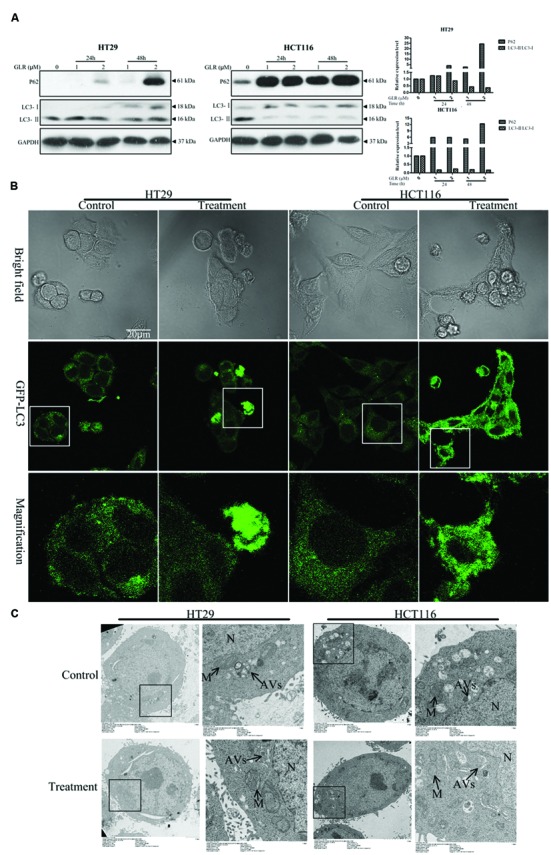
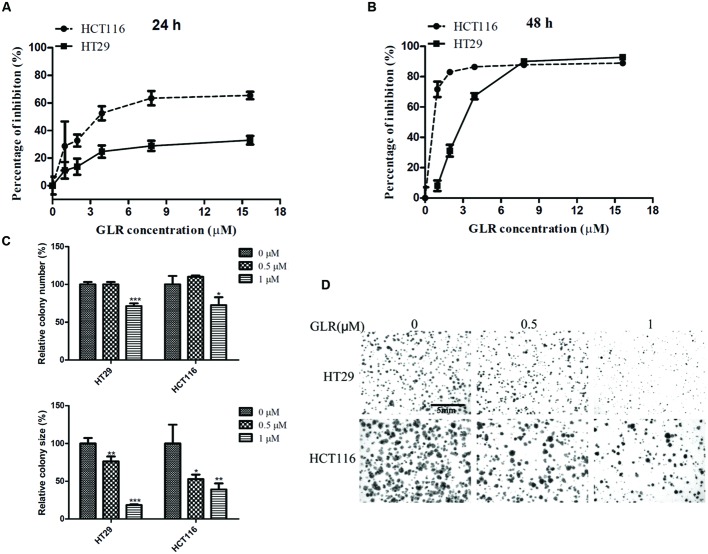
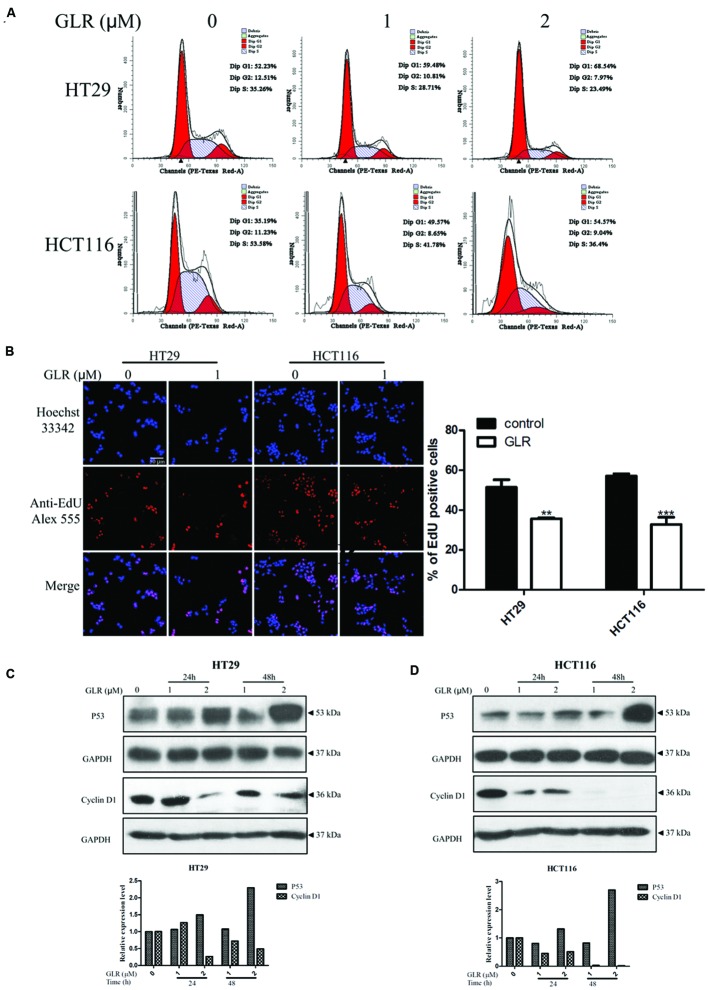
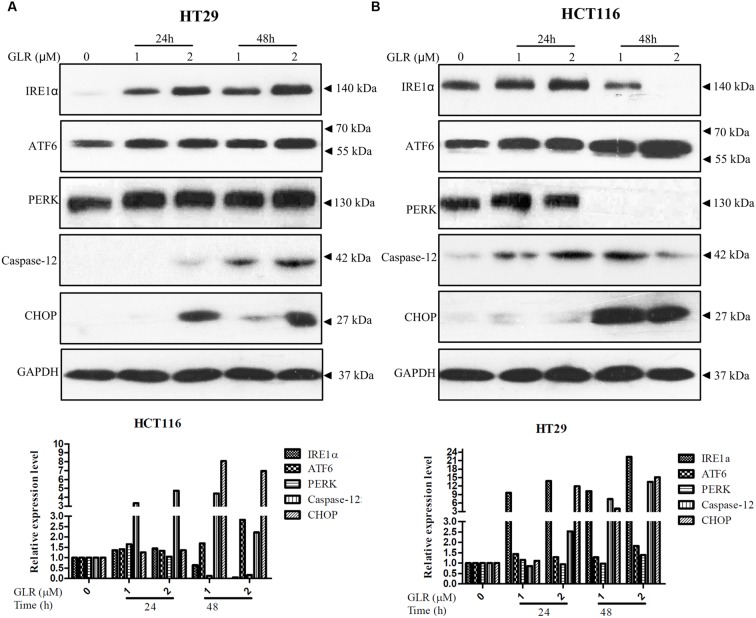
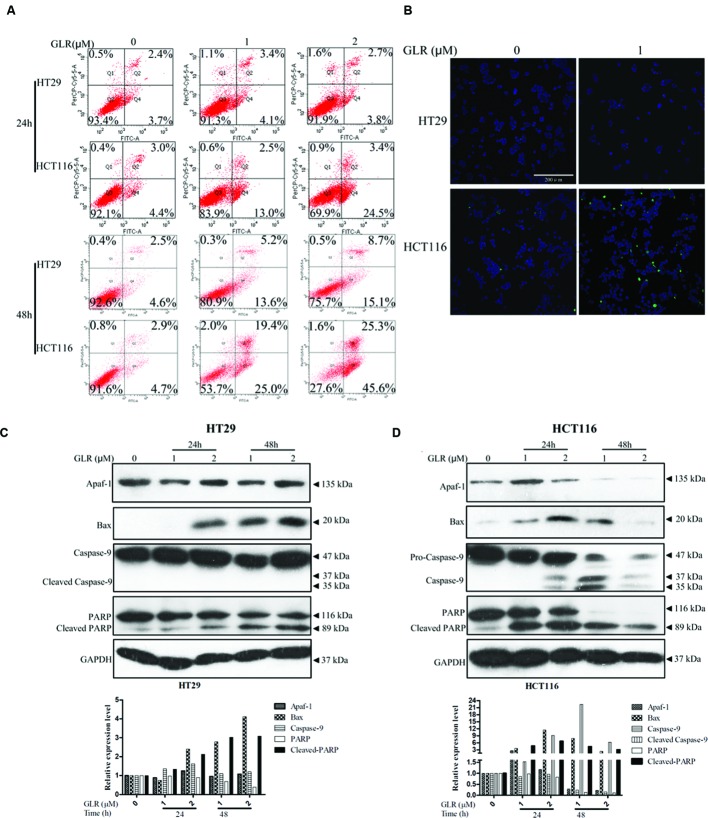
The mushroom Ganoderma lucidum (G. lucidum) has been consumed in China as a medicine for promoting health and longevity for thousands of years. Due to its paramount and multiple pharmaceutical effects, G. lucidum has received considerable attention from researchers and its chemical constituents as well as their respective functions were gradually unveiled by using modern research methods. Herein, we reported the isolation of a protein (Ganoderma lucidum ribonuclease, GLR) with anti-colorectal cancer activities from G. lucidum. This protein is a 17.4-kDa RNA degrading enzyme (ribonuclease) and was purified by using liquid chromatography procedures. GLR manifested potent anti-proliferative and anti-colony formation activities on HT29 and HCT116 colorectal cancer cells by inducing cell cycle arrest in G1 phase through the regulation of cyclin D1 and P53 expression. GLR was demonstrated to induce cell apoptosis in HCT116 cells by activating unfolded protein response and caspase-9 regulated pathways. Besides, the ability to undergo autophagy which is a stress adaption mechanism to cope with metabolic crisis was significantly suppressed by GLR treatment in HCT116 cells. The activation of apoptosis in GLR-treated HT29 cells was, however, independent of caspase-9 and the suppression of autophagy was also relatively minor. Thus the apoptosis of HT29 cells triggered by GLR was much milder than that in HCT116 cells. Our findings show that the RNase from G. lucidum may be one of the bioactive components that contribute to the anti-colorectal cancer activity of G. lucidum.
在中国,灵芝作为一种促进健康和延年益寿的药物已被食用了数千年。由于其具有重要且多样的药用功效,灵芝受到了研究人员的广泛关注,通过现代研究方法,其化学成分及其各自的功能也逐渐被揭示。在此,我们报道了从灵芝中分离出一种具有抗结直肠癌活性的蛋白质(灵芝核糖核酸酶,GLR)。这种蛋白质是一种17.4 kDa的RNA降解酶(核糖核酸酶),通过液相色谱法进行纯化。GLR通过调节细胞周期蛋白D1和P53的表达,诱导细胞周期停滞在G1期,从而对HT29和HCT116结直肠癌细胞表现出强大的抗增殖和抗集落形成活性。GLR被证明通过激活未折叠蛋白反应和半胱天冬酶-9调节的途径诱导HCT116细胞凋亡。此外,在HCT116细胞中,GLR处理显著抑制了自噬能力,自噬是一种应对代谢危机的应激适应机制。然而,GLR处理的HT29细胞中凋亡的激活独立于半胱天冬酶-9,自噬的抑制也相对较小。因此,GLR触发的HT29细胞凋亡比HCT116细胞中的凋亡要温和得多。我们的研究结果表明,灵芝中的核糖核酸酶可能是有助于灵芝抗结直肠癌活性的生物活性成分之一。