Cell Biology and Physiology Center, National Heart, Lung, and Blood Institute, National Institutes of Health, Bethesda, Maryland 20892, USA.
Department of Cellular and Molecular Medicine, University of Arizona Cancer Center, University of Arizona, Tucson, Arizona 85724, USA.
Nat Commun. 2016 Aug 25;7:12476. doi: 10.1038/ncomms12476.
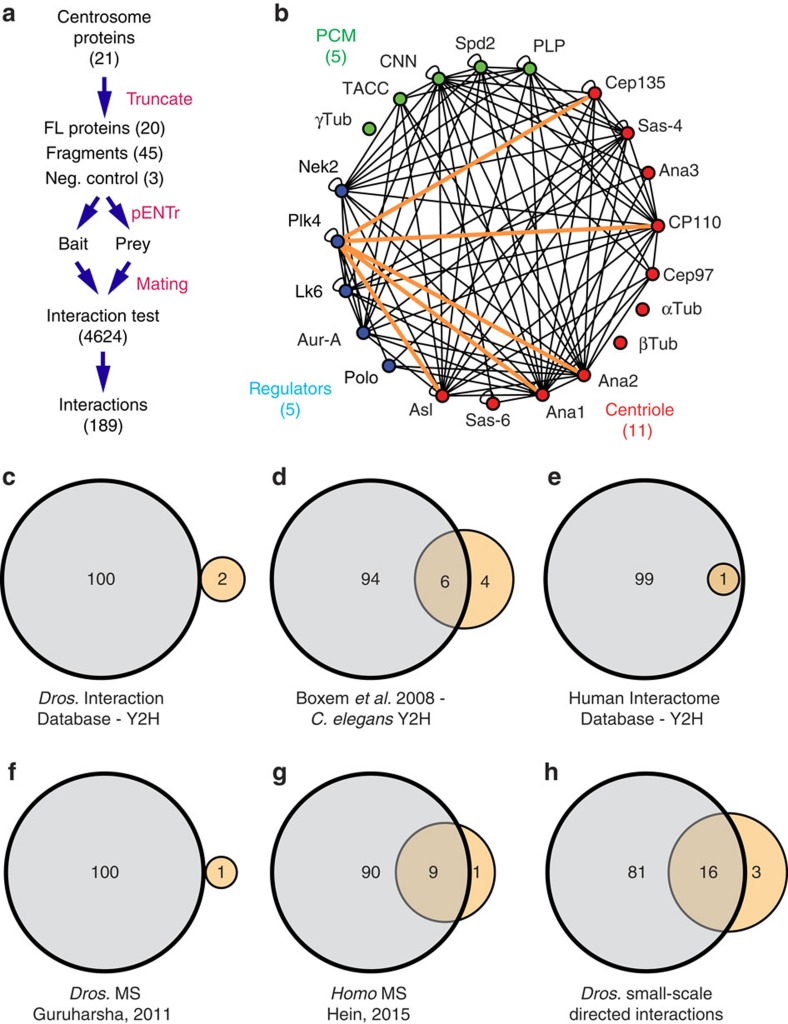
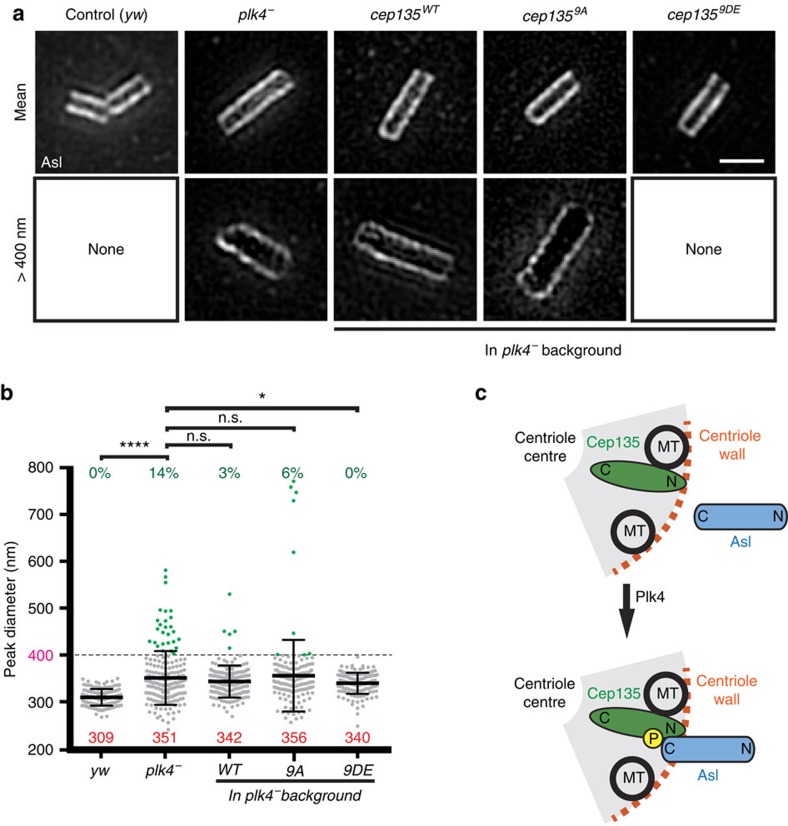
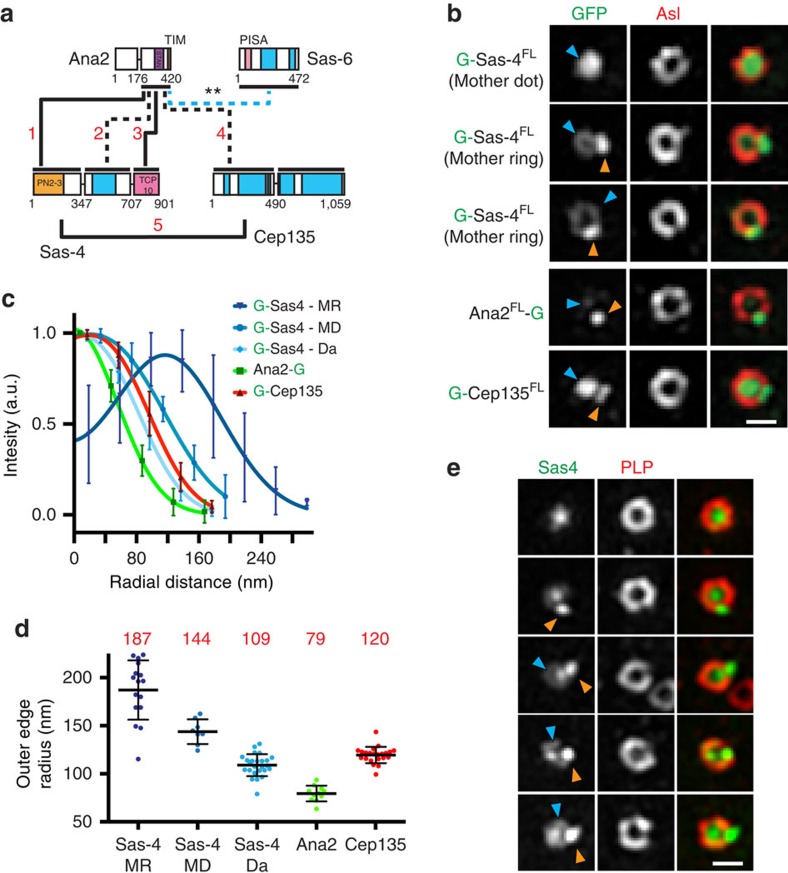
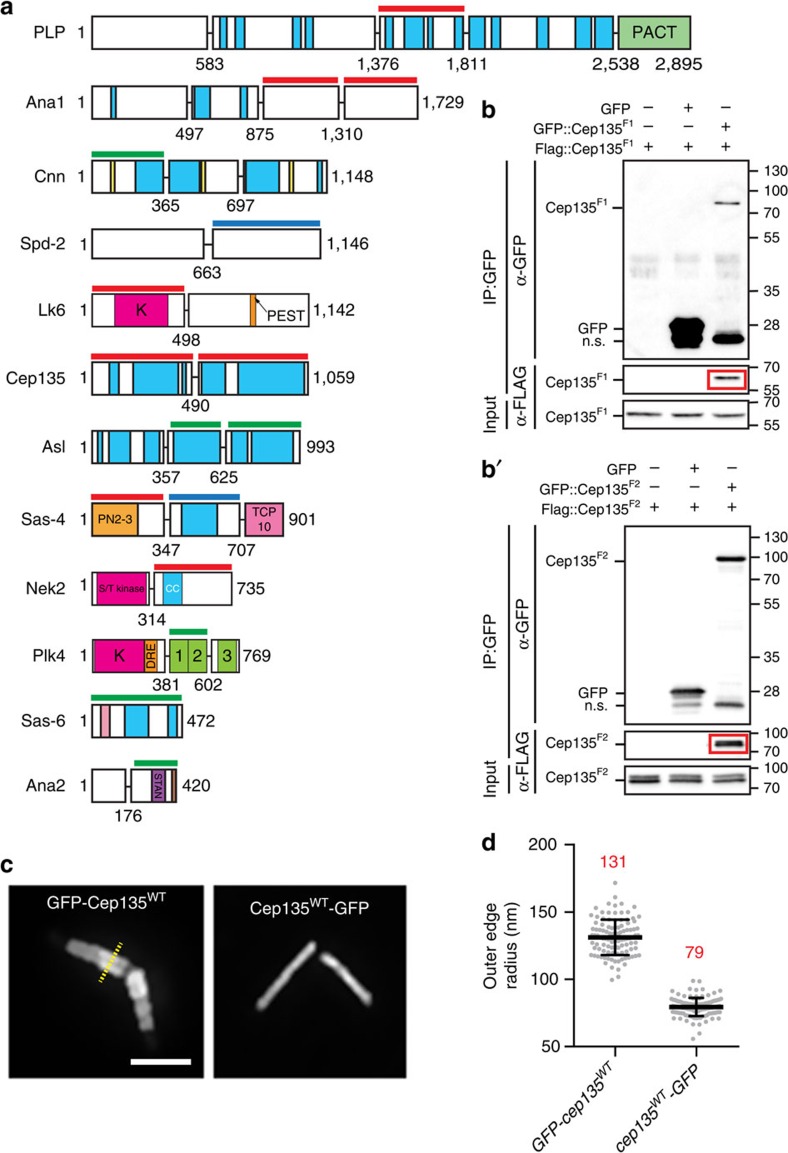
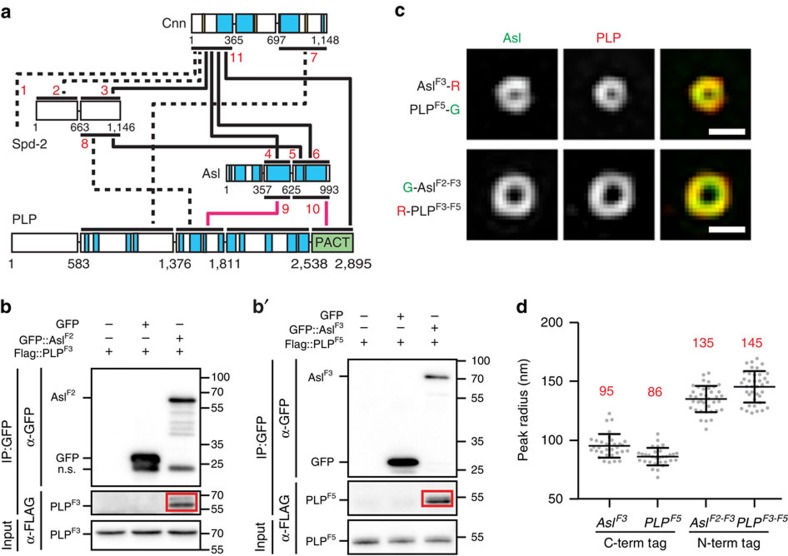
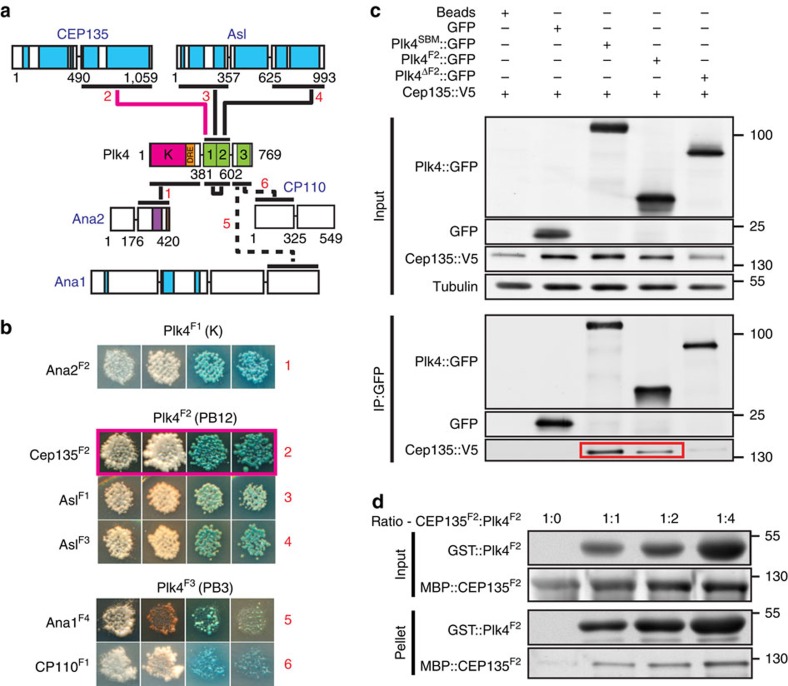
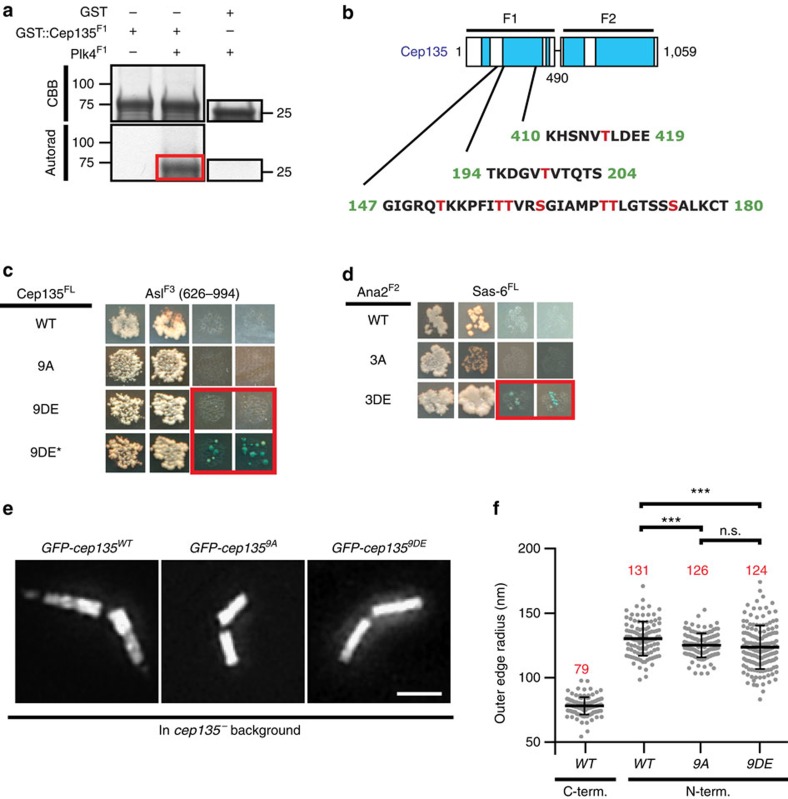
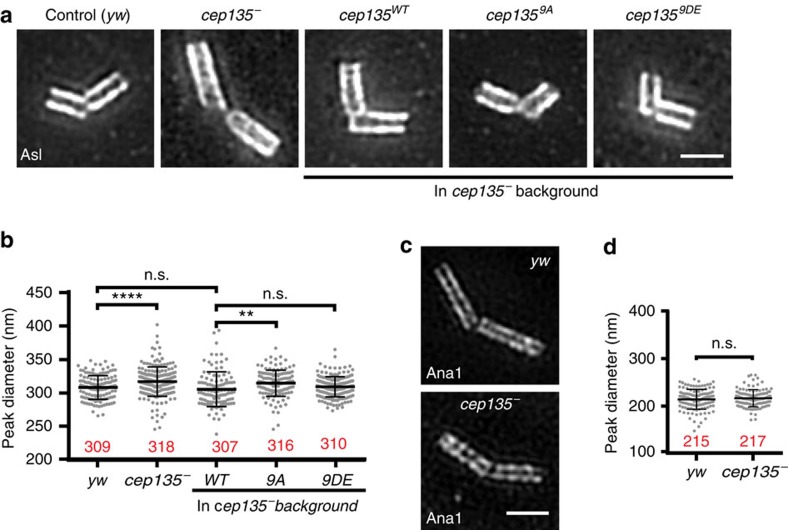
The centrosome is the major microtubule-organizing centre of many cells, best known for its role in mitotic spindle organization. How the proteins of the centrosome are accurately assembled to carry out its many functions remains poorly understood. The non-membrane-bound nature of the centrosome dictates that protein-protein interactions drive its assembly and functions. To investigate this massive macromolecular organelle, we generated a 'domain-level' centrosome interactome using direct protein-protein interaction data from a focused yeast two-hybrid screen. We then used biochemistry, cell biology and the model organism Drosophila to provide insight into the protein organization and kinase regulatory machinery required for centrosome assembly. Finally, we identified a novel role for Plk4, the master regulator of centriole duplication. We show that Plk4 phosphorylates Cep135 to properly position the essential centriole component Asterless. This interaction landscape affords a critical framework for research of normal and aberrant centrosomes.
中心体是许多细胞的主要微管组织中心,其在有丝分裂纺锤体组织中的作用最为人所知。然而,中心体蛋白如何精确组装以执行其多种功能仍知之甚少。中心体无膜结合的性质决定了蛋白质-蛋白质相互作用驱动其组装和功能。为了研究这个巨大的大分子细胞器,我们使用来自聚焦酵母双杂交筛选的直接蛋白质-蛋白质相互作用数据,生成了一个“结构域级”的中心体相互作用组。然后,我们使用生物化学、细胞生物学和模式生物果蝇,深入了解中心体组装所需的蛋白质组织和激酶调节机制。最后,我们确定了 Plk4(中心体复制的主要调节剂)的一个新作用。我们表明 Plk4 磷酸化 Cep135,以正确定位必需的中心体组件 Asterless。这种相互作用图谱为正常和异常中心体的研究提供了一个关键框架。