Poulianiti Konstantina P, Kaltsatou Antonia, Mitrou Georgia I, Jamurtas Athanasios Z, Koutedakis Yiannis, Maridaki Maria, Stefanidis Ioannis, Sakkas Giorgos K, Karatzaferi Christina
Department of Physical Education & Sport Science, University of Thessaly, Karyes, 421 00 Trikala, Greece.
Department of Physical Education & Sport Science, University of Thessaly, Karyes, 421 00 Trikala, Greece; Department of Kinesiology, Institute for Research and Technology-CERTH, Thessaly, Karyes, 421 00 Trikala, Greece.
Oxid Med Cell Longev. 2016;2016:8598253. doi: 10.1155/2016/8598253. Epub 2016 Aug 3.
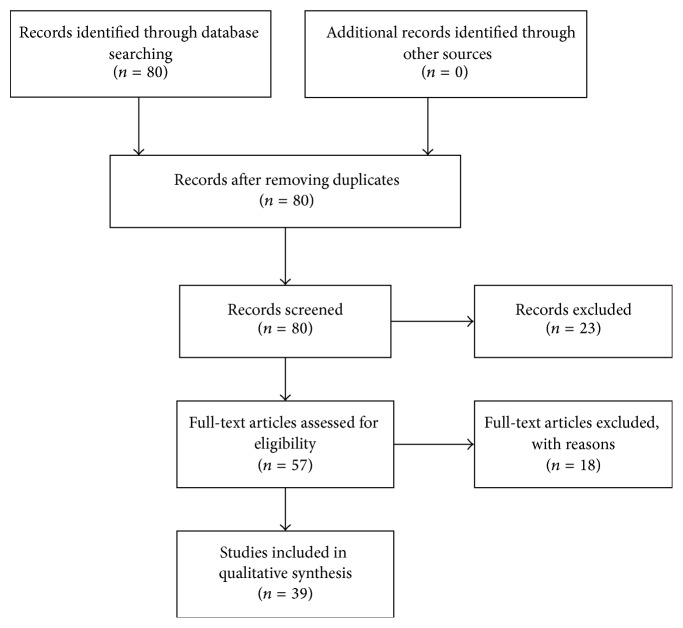
Patients with chronic kidney disease (CKD) experience imbalance between oxygen reactive species (ROS) production and antioxidant defenses leading to cell and tissue damage. However, it remains unclear at which stage of renal insufficiency the redox imbalance becomes more profound. The aim of this systematic review was to provide an update on recent advances in our understanding of how the redox status changes in the progression of renal disease from predialysis stages 1 to 4 to end stage 5 and whether the various treatments and dialysis modalities influence the redox balance. A systematic review was conducted searching PubMed and Scopus by using the Cochrane and PRISMA guidelines. In total, thirty-nine studies met the inclusion criteria and were reviewed. Even from an early stage, imbalance in redox status is evident and as the kidney function worsens it becomes more profound. Hemodialysis therapy per se seems to negatively influence the redox status by the elevation of lipid peroxidation markers, protein carbonylation, and impairing erythrocyte antioxidant defense. However, other dialysis modalities do not so far appear to confer advantages. Supplementation with antioxidants might assist and should be considered as an early intervention to halt premature atherogenesis development at an early stage of CKD.
慢性肾脏病(CKD)患者体内氧反应性物质(ROS)生成与抗氧化防御之间存在失衡,导致细胞和组织损伤。然而,目前尚不清楚在肾功能不全的哪个阶段氧化还原失衡会变得更加严重。本系统评价的目的是更新我们对从透析前1至4期到终末期5期的肾脏疾病进展过程中氧化还原状态如何变化,以及各种治疗方法和透析方式是否影响氧化还原平衡的最新认识。按照Cochrane和PRISMA指南,在PubMed和Scopus数据库进行了系统检索。共有39项研究符合纳入标准并进行了综述。即使在早期阶段,氧化还原状态的失衡也很明显,并且随着肾功能恶化,这种失衡会变得更加严重。血液透析治疗本身似乎会通过脂质过氧化标志物升高、蛋白质羰基化以及损害红细胞抗氧化防御而对氧化还原状态产生负面影响。然而,目前其他透析方式似乎并没有优势。补充抗氧化剂可能会有所帮助,应被视为在CKD早期阶段阻止过早动脉粥样硬化发展的早期干预措施。