Nicoll Rachel, Zhao Ying, Ibrahimi Pranvera, Olivecrona Gunilla, Henein Michael
Department of Public Health and Clinical Medicine, Umea University and Heart Centre, Umea SE-901-87, Sweden.
Department of Ultrasound, Beijing Anzhen Hospital, Capital Medical University, Beijing 100029, China.
Int J Mol Sci. 2016 Sep 6;17(9):1481. doi: 10.3390/ijms17091481.
The relationship of conventional cardiovascular risk factors (age, gender, ethnicity, diabetes, dyslipidaemia, hypertension, obesity, exercise, and the number of risk factors) to coronary artery calcification (CAC) presence and extent has never before been assessed in a systematic review and meta-analysis.
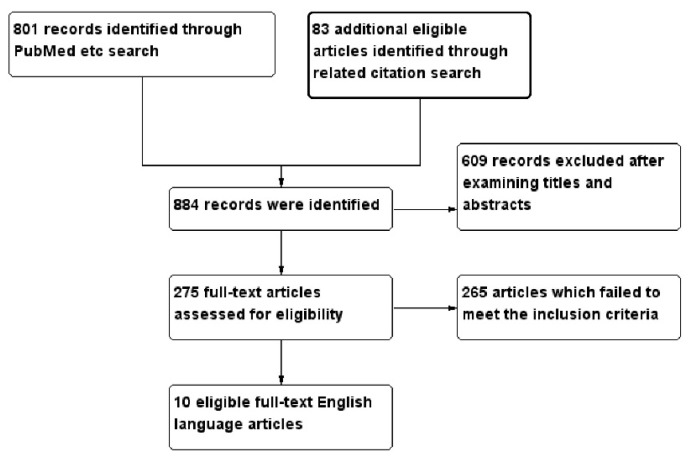
We included only English language studies that assessed at least three conventional risk factors apart from age, gender, and ethnicity, but excluded studies in which all patients had another confirmed condition such as renal disease.
In total, 10 studies, comprising 15,769 patients, were investigated in the systematic review and seven studies, comprising 12,682 patients, were included in the meta-analysis, which demonstrated the importance of diabetes and hypertension as predictors of CAC presence and extent, with age also predicting CAC presence. Male gender, dyslipidaemia, family history of coronary artery disease, obesity, and smoking were overall not predictive of either CAC presence or extent, despite dyslipidaemia being a key risk factor for coronary artery disease (CAD).
Diabetes and hypertension consistently predict the presence and extent of CAC in symptomatic patients.
常规心血管危险因素(年龄、性别、种族、糖尿病、血脂异常、高血压、肥胖、运动及危险因素数量)与冠状动脉钙化(CAC)的存在及程度之间的关系此前从未在系统评价和荟萃分析中得到评估。
我们仅纳入了评估除年龄、性别和种族之外至少三种常规危险因素的英文研究,但排除了所有患者患有其他确诊疾病(如肾病)的研究。
在该系统评价中总共调查了10项研究,涉及15769例患者,荟萃分析纳入了7项研究,涉及12682例患者,结果表明糖尿病和高血压作为CAC存在及程度的预测因素的重要性,年龄也可预测CAC的存在。男性、血脂异常、冠状动脉疾病家族史、肥胖和吸烟总体上均不能预测CAC的存在或程度,尽管血脂异常是冠状动脉疾病(CAD)的关键危险因素。
糖尿病和高血压始终可预测有症状患者中CAC的存在及程度。