Li Linqing, Stiadle Jeanna M, Lau Hang K, Zerdoum Aidan B, Jia Xinqiao, Thibeault Susan L, Kiick Kristi L
Department of Materials Science and Engineering, University of Delaware, Newark, DE 19716, USA.
Division of Otolaryngology-Head and Neck Surgery, Department of Surgery, University of Wisconsin-Madison, Madison, WI 53792, USA; Department of Communication Sciences and Disorders, University of Wisconsin-Madison, Madison, WI 53792, USA.
Biomaterials. 2016 Nov;108:91-110. doi: 10.1016/j.biomaterials.2016.08.054. Epub 2016 Sep 2.
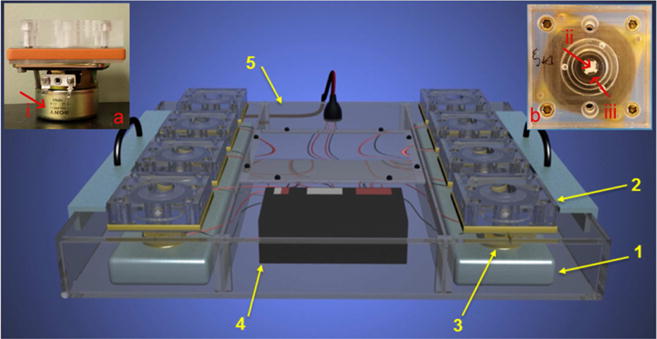
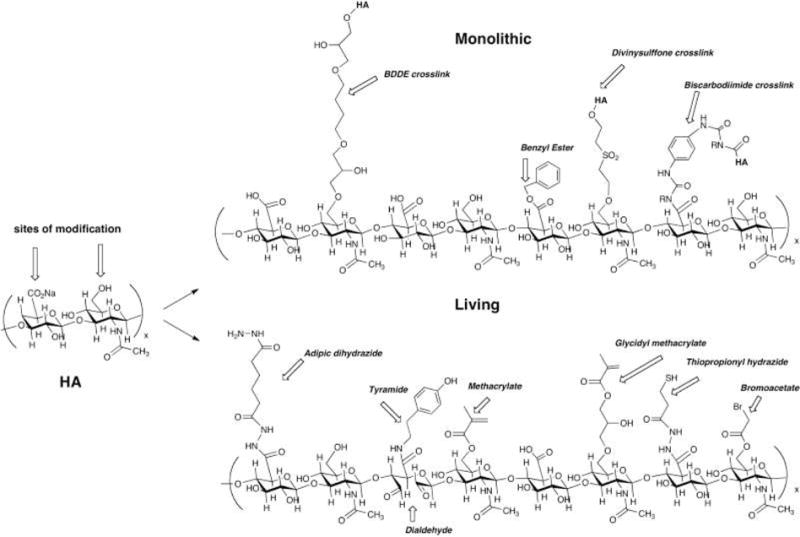
Vocal folds are soft laryngeal connective tissues with distinct layered structures and complex multicomponent matrix compositions that endow phonatory and respiratory functions. This delicate tissue is easily damaged by various environmental factors and pathological conditions, altering vocal biomechanics and causing debilitating vocal disorders that detrimentally affect the daily lives of suffering individuals. Modern techniques and advanced knowledge of regenerative medicine have led to a deeper understanding of the microstructure, microphysiology, and micropathophysiology of vocal fold tissues. State-of-the-art materials ranging from extracecullar-matrix (ECM)-derived biomaterials to synthetic polymer scaffolds have been proposed for the prevention and treatment of voice disorders including vocal fold scarring and fibrosis. This review intends to provide a thorough overview of current achievements in the field of vocal fold tissue engineering, including the fabrication of injectable biomaterials to mimic in vitro cell microenvironments, novel designs of bioreactors that capture in vivo tissue biomechanics, and establishment of various animal models to characterize the in vivo biocompatibility of these materials. The combination of polymeric scaffolds, cell transplantation, biomechanical stimulation, and delivery of antifibrotic growth factors will lead to successful restoration of functional vocal folds and improved vocal recovery in animal models, facilitating the application of these materials and related methodologies in clinical practice.
声带是柔软的喉部结缔组织,具有独特的分层结构和复杂的多组分基质组成,赋予发声和呼吸功能。这种脆弱的组织很容易受到各种环境因素和病理状况的损害,改变声带生物力学并导致使人衰弱的嗓音障碍,对患者的日常生活产生不利影响。再生医学的现代技术和先进知识使人们对声带组织的微观结构、微生理学和微病理生理学有了更深入的了解。从细胞外基质(ECM)衍生的生物材料到合成聚合物支架等先进材料已被提出用于预防和治疗包括声带瘢痕形成和纤维化在内的嗓音障碍。本综述旨在全面概述声带组织工程领域的当前成就,包括制造可注射生物材料以模拟体外细胞微环境、捕捉体内组织生物力学的新型生物反应器设计,以及建立各种动物模型以表征这些材料的体内生物相容性。聚合物支架、细胞移植、生物力学刺激和抗纤维化生长因子的递送相结合,将成功恢复动物模型中功能性声带并改善嗓音恢复,促进这些材料和相关方法在临床实践中的应用。