Han Jeongsukhyeon, Thamilarasan Senthil Kumar, Natarajan Sathishkumar, Park Jong-In, Chung Mi-Young, Nou Ill-Sup
Department of Horticulture, Sunchon National University, Suncheon, Jeonnam, Republic of Korea.
Department of Agricultural Education, Sunchon National University, Suncheon, Jeonnam, Republic of Korea.
PLoS One. 2016 Sep 14;11(9):e0161987. doi: 10.1371/journal.pone.0161987. eCollection 2016.
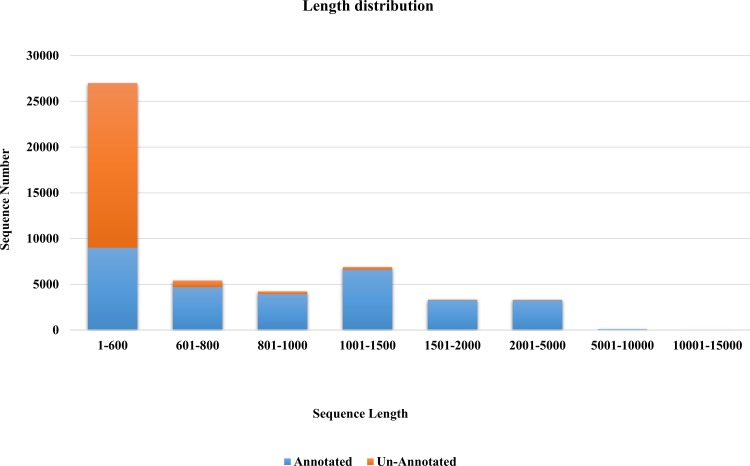
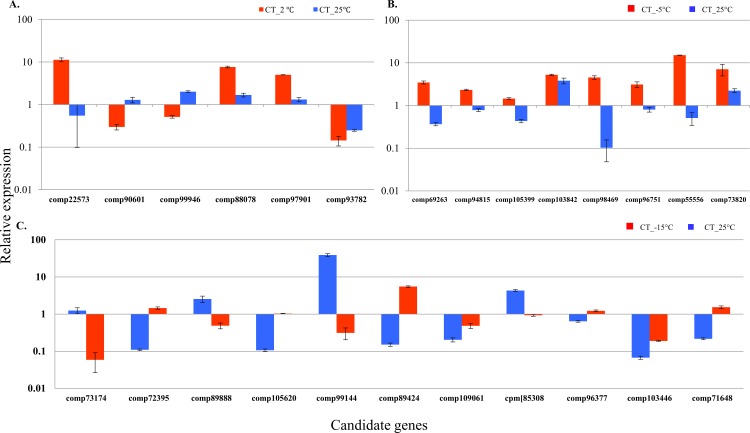
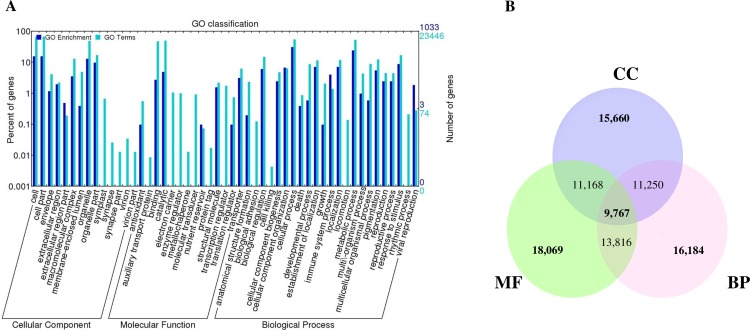
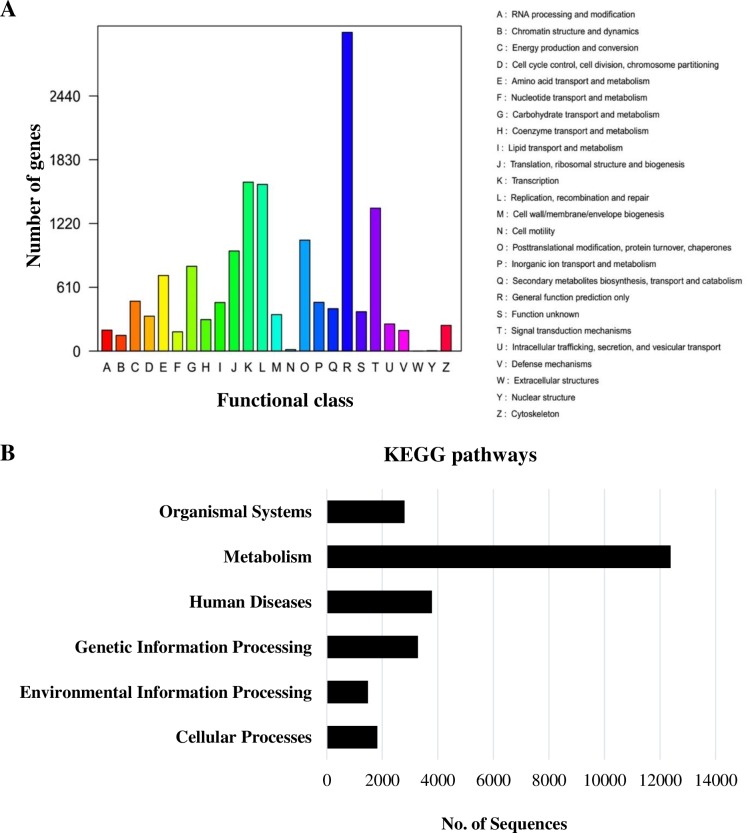
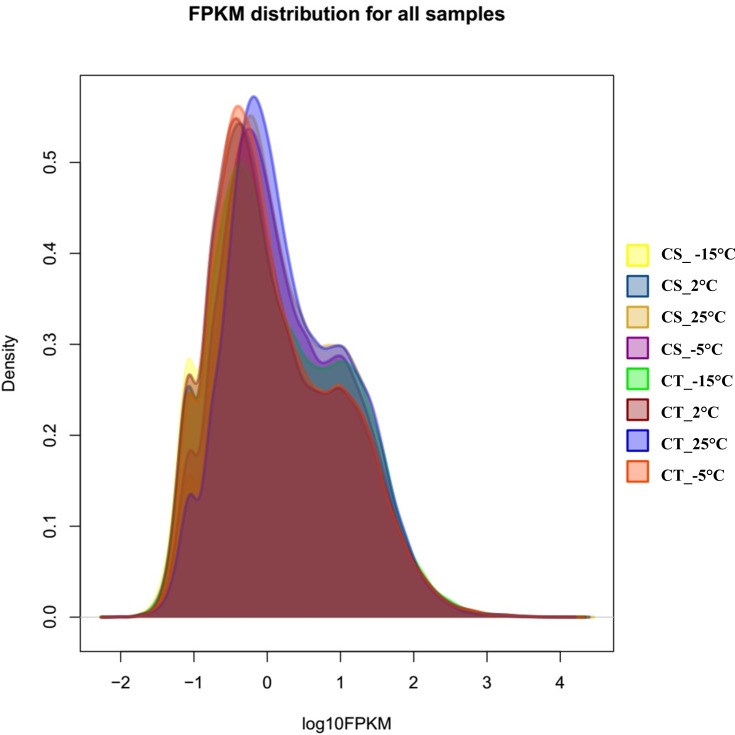
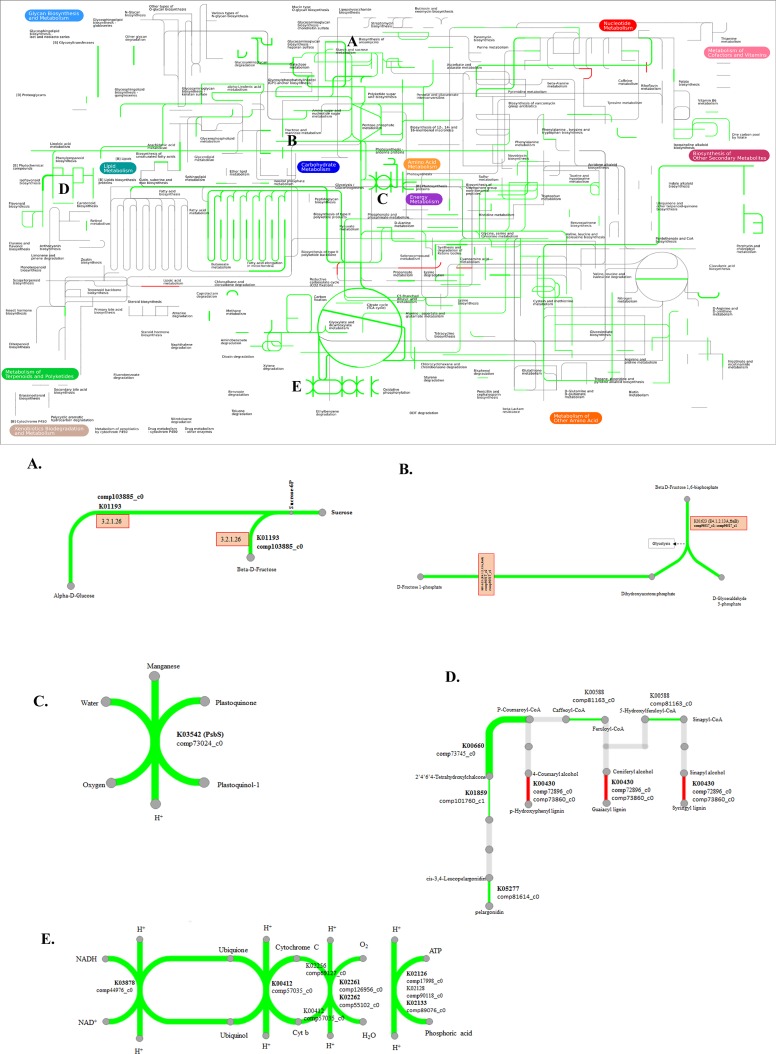
Bulb onion (Allium cepa) is the second most widely cultivated and consumed vegetable crop in the world. During winter, cold injury can limit the production of bulb onion. Genomic resources available for bulb onion are still very limited. To date, no studies on heritably durable cold and freezing tolerance have been carried out in bulb onion genotypes. We applied high-throughput sequencing technology to cold (2°C), freezing (-5 and -15°C), and control (25°C)-treated samples of cold tolerant (CT) and cold susceptible (CS) genotypes of A. cepa lines. A total of 452 million paired-end reads were de novo assembled into 54,047 genes with an average length of 1,331 bp. Based on similarity searches, these genes were aligned with entries in the public non-redundant (nr) database, as well as KEGG and COG database. Differentially expressed genes (DEGs) were identified using log10 values with the FPKM method. Among 5,167DEGs, 491 genes were differentially expressed at freezing temperature compared to the control temperature in both CT and CS libraries. The DEG results were validated with qRT-PCR. We performed GO and KEGG pathway enrichment analyses of all DEGs and iPath interactive analysis found 31 pathways including those related to metabolism of carbohydrate, nucleotide, energy, cofactors and vitamins, other amino acids and xenobiotics biodegradation. Furthermore, a large number of molecular markers were identified from the assembled genes, including simple sequence repeats (SSRs) 4,437 and SNP substitutions of transition and transversion types of CT and CS. Our study is the first to provide a transcriptome sequence resource for Allium spp. with regard to cold and freezing stress. We identified a large set of genes and determined their DEG profiles under cold and freezing conditions using two different genotypes. These data represent a valuable resource for genetic and genomic studies of Allium spp.
圆葱(葱属植物)是世界上第二大广泛种植和食用的蔬菜作物。在冬季,冷害会限制圆葱的产量。目前可用于圆葱的基因组资源仍然非常有限。迄今为止,尚未对圆葱基因型的遗传性持久耐寒和耐冻性进行研究。我们将高通量测序技术应用于葱属植物冷耐受(CT)和冷敏感(CS)基因型品系在低温(2°C)、冷冻(-5°C和-15°C)以及对照(25°C)处理的样本上。总共4.52亿对末端读段被从头组装成54047个基因,平均长度为1331bp。基于相似性搜索,这些基因与公共非冗余(nr)数据库以及KEGG和COG数据库中的条目进行了比对。使用FPKM方法的log10值鉴定差异表达基因(DEG)。在5167个DEG中,与对照温度相比,在CT和CS文库中,有491个基因在冷冻温度下差异表达。通过qRT-PCR验证了DEG结果。我们对所有DEG进行了GO和KEGG通路富集分析,iPath交互式分析发现了31条通路,包括与碳水化合物、核苷酸、能量、辅因子和维生素、其他氨基酸以及异生物质生物降解相关的通路。此外,从组装基因中鉴定出大量分子标记,包括4437个简单序列重复(SSR)以及CT和CS的转换和颠换类型的SNP替代。我们的研究首次提供了葱属植物在寒冷和冷冻胁迫方面的转录组序列资源。我们使用两种不同基因型鉴定了大量基因,并确定了它们在寒冷和冷冻条件下的DEG图谱。这些数据是葱属植物遗传和基因组研究的宝贵资源。