OSCARE, Organisation for Burns, Scar After-care and Research, Van Roiestraat 18, B-2170 Antwerp, Belgium.
OSCARE, Organisation for Burns, Scar After-care and Research, Van Roiestraat 18, B-2170 Antwerp, Belgium ; Department of Rehabilitation Sciences, KU Leuven, Tervuursevest 101, box 1500, 3001 Heverlee, Belgium.
Burns Trauma. 2016 Sep 19;4:34. doi: 10.1186/s41038-016-0053-9. eCollection 2016.
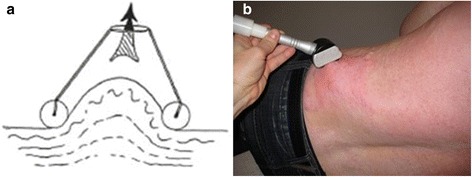
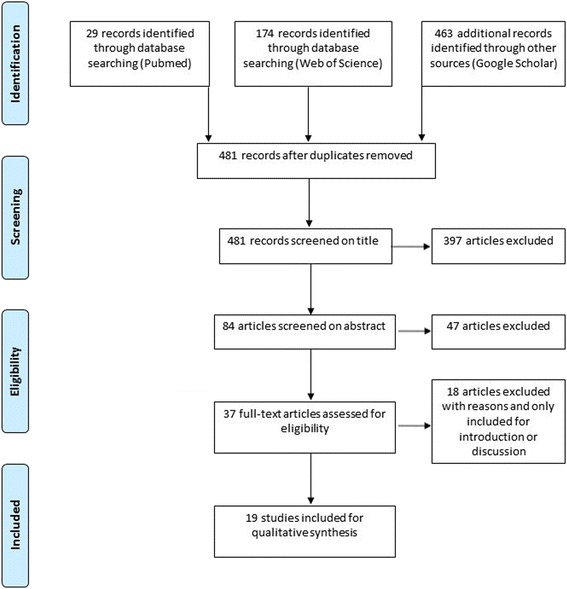
Vacuum massage is a non-invasive mechanical massage technique performed with a mechanical device that lifts the skin by means of suction, creates a skin fold and mobilises that skin fold. In the late 1970s, this therapy was introduced to treat traumatic or burn scars. Although vacuum massage was invented to treat burns and scars, one can find very little literature on the effects of this intervention. Therefore, the aim of this review is to present an overview of the available literature on the physical and physiological effects of vacuum massage on epidermal and dermal skin structures in order to find the underlying working mechanisms that could benefit the healing of burns and scars. The discussion contains translational analysis of the results and provides recommendations for future research on the topic. An extended search for publications was performed using PubMed, Web of Science and Google Scholar. Two authors independently identified and checked each study against the inclusion criteria. Nineteen articles were included in the qualitative synthesis. The two most reported physical effects of vacuum massage were improvement of the tissue hardness and the elasticity of the skin. Besides physical effects, a variety of physiological effects are reported in literature, for example, an increased number of fibroblasts and collagen fibres accompanied by an alteration of fibroblast phenotype and collagen orientation. Little information was found on the decrease of pain and itch due to vacuum massage. Although vacuum massage initially had been developed for the treatment of burn scars, this literature review found little evidence for the efficacy of this treatment. Variations in duration, amplitude or frequency of the treatment have a substantial influence on collagen restructuring and reorientation, thus implying possible beneficial influences on the healing potential by mechanotransduction pathways. Vacuum massage may release the mechanical tension associated with scar retraction and thus induce apoptosis of myofibroblasts. Suggestions for future research include upscaling the study design, investigating the molecular pathways and dose dependency, comparing effects in different stages of repair, including evolutive parameters and the use of more objective assessment tools.
真空按摩是一种非侵入性的机械按摩技术,使用机械装置通过吸力提起皮肤,形成皮肤褶皱并移动该皮肤褶皱。在 20 世纪 70 年代末,这种疗法被引入用于治疗创伤性或烧伤疤痕。尽管真空按摩是为治疗烧伤和疤痕而发明的,但人们几乎找不到关于这种干预措施效果的文献。因此,本综述的目的是介绍有关真空按摩对表皮和真皮皮肤结构的物理和生理影响的现有文献综述,以找到可能有益于烧伤和疤痕愈合的潜在工作机制。讨论包含对结果的翻译分析,并为该主题的未来研究提供建议。使用 PubMed、Web of Science 和 Google Scholar 进行了扩展的文献搜索。两位作者独立地识别并根据纳入标准检查了每项研究。有 19 篇文章被纳入定性综合分析。真空按摩报道的两个最常见的物理效应是改善组织硬度和皮肤弹性。除了物理效应外,文献中还报道了多种生理效应,例如成纤维细胞和胶原纤维数量增加,伴随着成纤维细胞表型和胶原排列的改变。由于真空按摩引起的疼痛和瘙痒减少的信息很少。尽管真空按摩最初是为治疗烧伤疤痕而开发的,但本综述发现这种治疗方法的疗效证据很少。治疗的持续时间、幅度或频率的变化对胶原重构和重定向有很大影响,因此暗示通过机械转导途径对愈合潜力有潜在的有益影响。真空按摩可能会释放与疤痕收缩相关的机械张力,从而诱导肌成纤维细胞凋亡。未来研究的建议包括扩大研究设计、研究分子途径和剂量依赖性、比较不同修复阶段的效果、包括演变参数和使用更客观的评估工具。