Department of Anatomy, Histology and Embryology, Institute of of Neuroscience, Changsha Medical University, Changsha, 410219, China.
The Third Xiangya Hospital of Central South University, Changsha 410013, Hunan, PR China.
Sci Rep. 2016 Oct 4;6:34161. doi: 10.1038/srep34161.
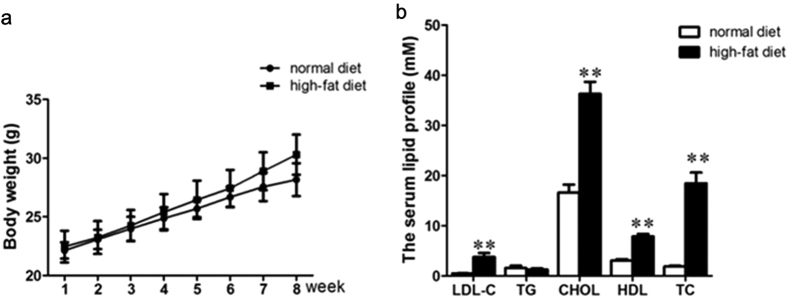
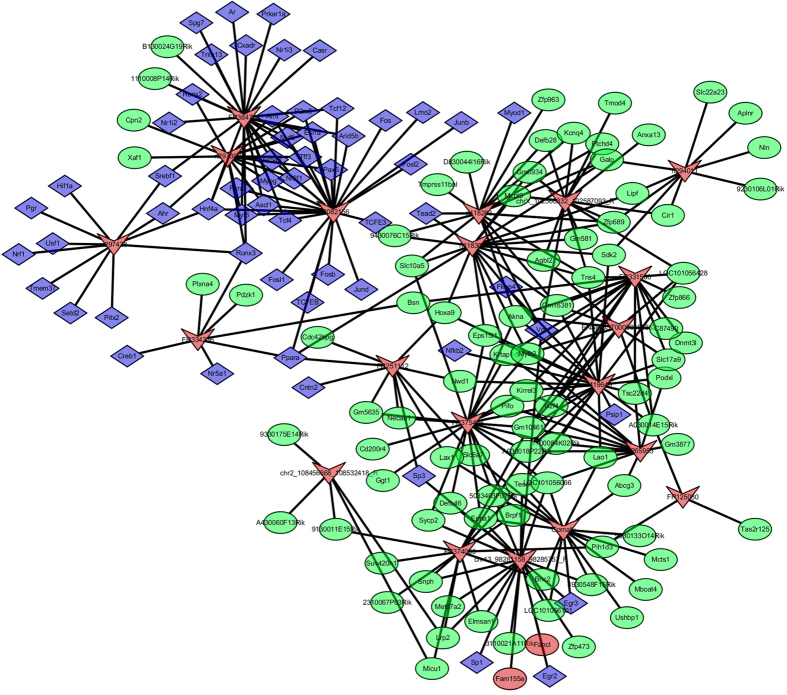
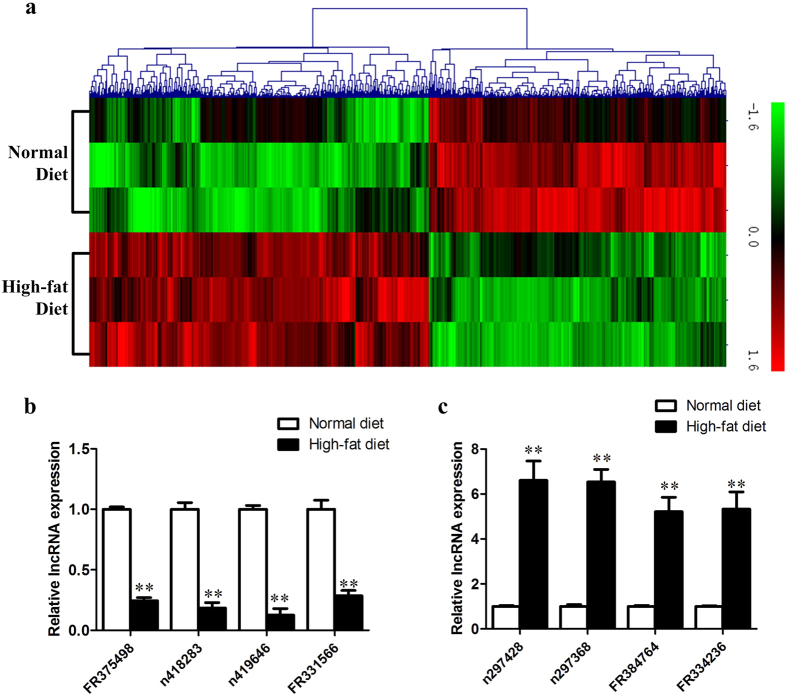
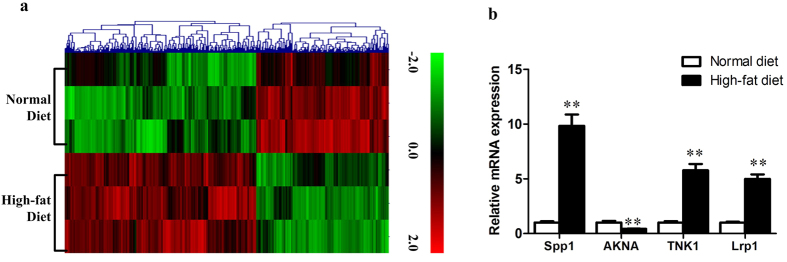
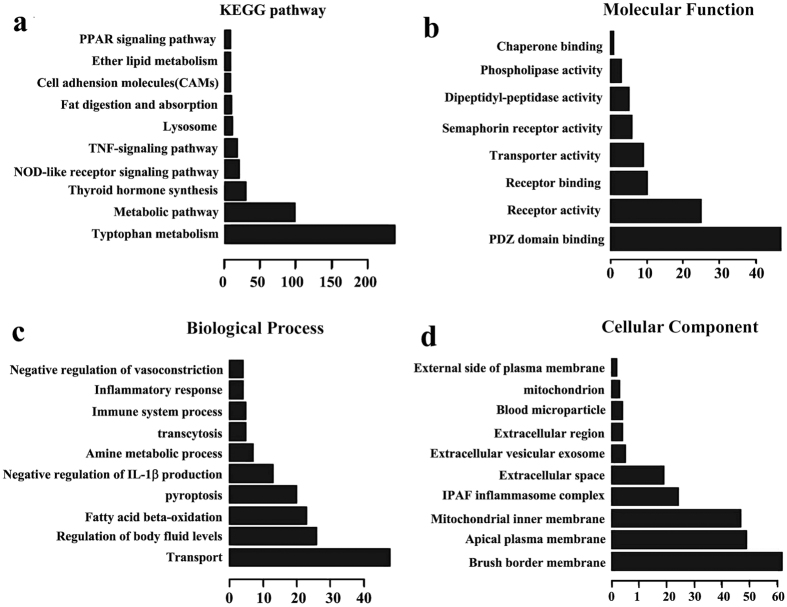
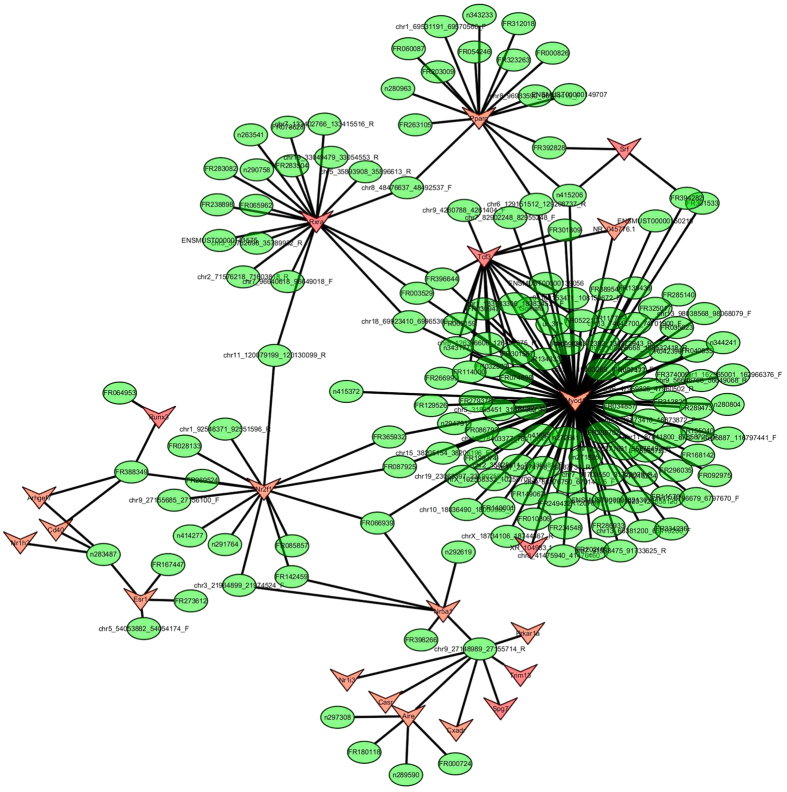
Atherosclerosis is a chronic multifactorial inflammatory disease with high prevalence worldwide, and has become the leading cause of death. The present study was designed to investigate the impact of high-fat diet on ApoE(-/-) mice exhibiting atherosclerosis by detecting the genome-wide expression profile of lncRNAs and mRNAs. A total of 354 differentially expressed lncRNAs were identified (≥2.0 folds). Simultaneously, 357 differentially expressed mRNAs from the same chip were found. The expression differences of lncRNAs and mRNAs were consistent in both qPCR and microarray detection. Annotation results of the mRNAs which correlated with lncRNAs showed that the commonly related pathways were metabolism and inflammation. Hypergeometric distribution analysis indicated that the differentially expressed lncRNAs had been mostly regulated by transcription factors (TFs) such as Myod1, Rxra, Pparg, Tcf3, etc. Additional lncRNA-target-TFs network analysis was conducted for the top 20 differentially expressed lncRNAs. The results indicated Hnf4a, Ppara, Vdr, and Runx3 as the TFs most likely to regulate the production of these lncRNAs, and might play roles in inflammatory and metabolic processes in atherosclerosis. In a nutshell, the present study identified a panel of dysregulated lncRNAs and mRNAs that may be potential biomarkers or drug targets relevant to the high-fat diet related atherogenesis.
动脉粥样硬化是一种全球性高发的慢性多因素炎症性疾病,已成为主要死亡原因。本研究旨在通过检测长链非编码 RNA (lncRNA) 和信使 RNA (mRNA) 的全基因组表达谱,研究高脂饮食对动脉粥样硬化 ApoE(-/-) 小鼠的影响。共鉴定出 354 个差异表达的 lncRNA(≥2.0 倍)。同时,从同一芯片中发现了 357 个差异表达的 mRNA。qPCR 和微阵列检测结果均显示 lncRNA 和 mRNA 的表达差异一致。与 lncRNA 相关的 mRNA 的注释结果表明,共同相关的途径是代谢和炎症。超几何分布分析表明,差异表达的 lncRNA 主要受到转录因子(TF)的调控,如 Myod1、Rxra、Pparg、Tcf3 等。对前 20 个差异表达的 lncRNA 进行了额外的 lncRNA-靶-TF 网络分析。结果表明,Hnf4a、Ppara、Vdr 和 Runx3 可能是最有可能调节这些 lncRNA 产生的 TF,可能在动脉粥样硬化的炎症和代谢过程中发挥作用。简而言之,本研究鉴定了一组失调的 lncRNA 和 mRNA,它们可能是与高脂饮食相关动脉粥样硬化发病机制相关的潜在生物标志物或药物靶点。