Zorzoli Azul, Grayczyk James P, Alonzo Francis
Department of Microbiology and Immunology, Loyola University Chicago-Stritch School of Medicine, Maywood, Illinois, United States of America.
PLoS Pathog. 2016 Oct 4;12(10):e1005933. doi: 10.1371/journal.ppat.1005933. eCollection 2016 Oct.
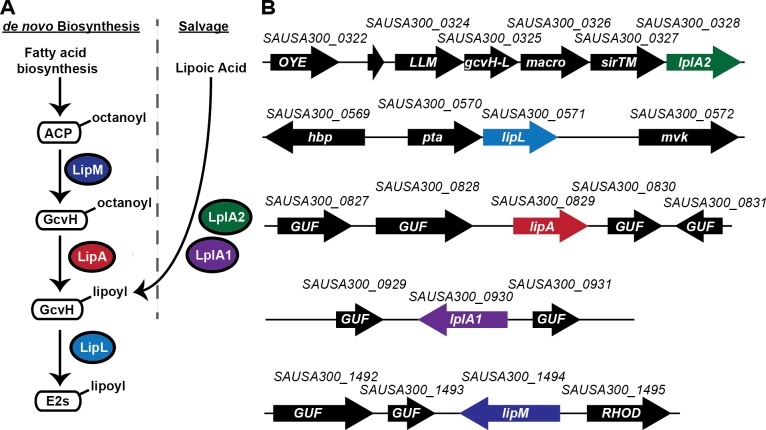
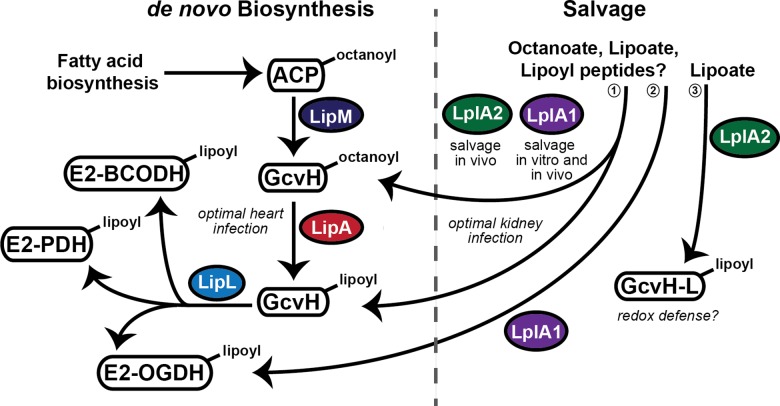
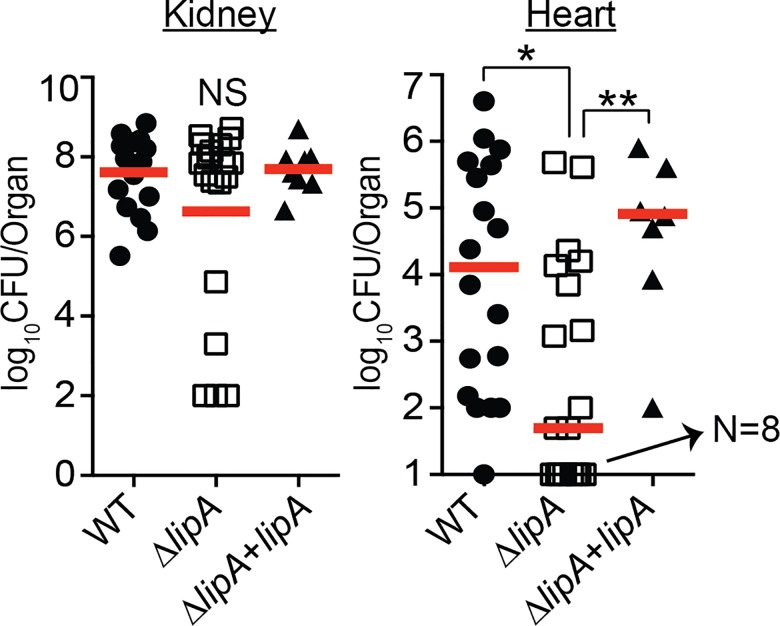
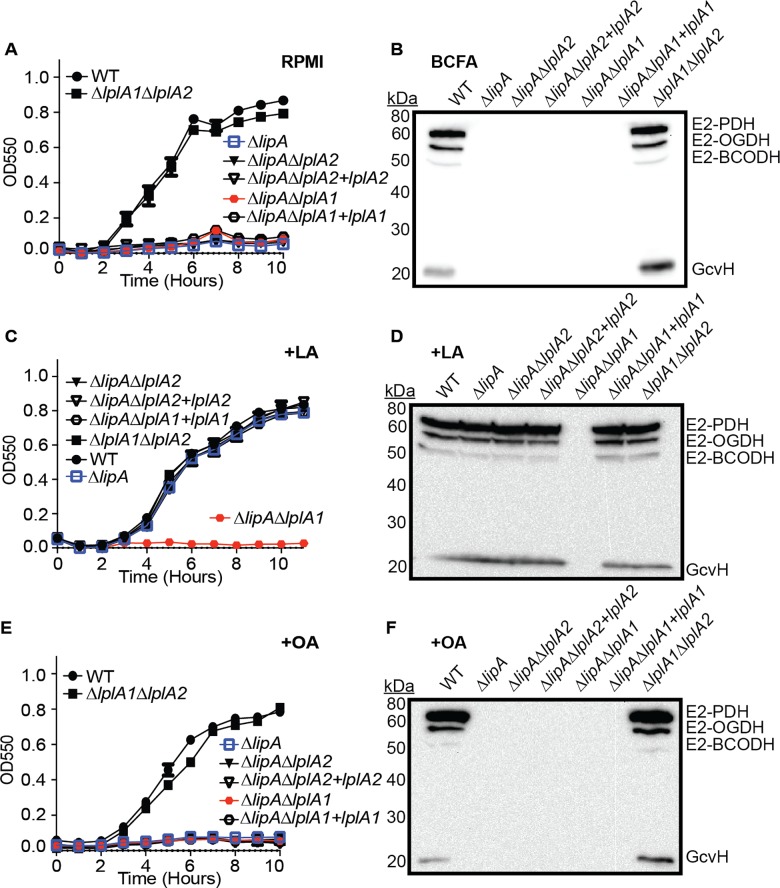
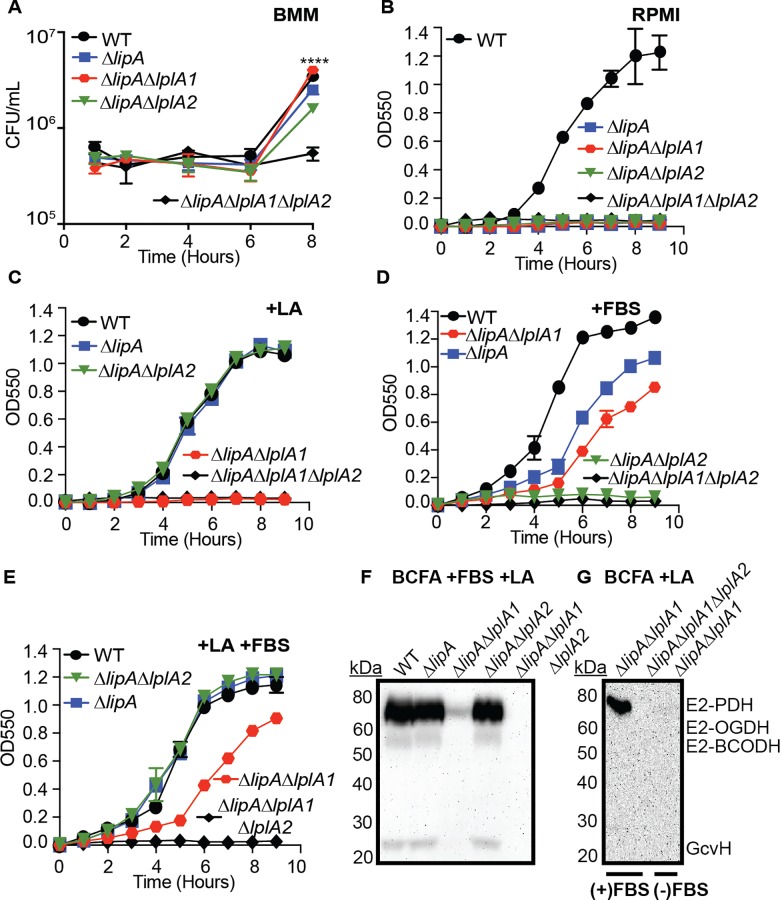
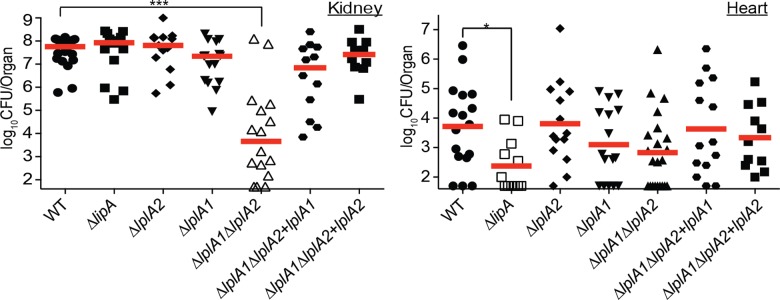
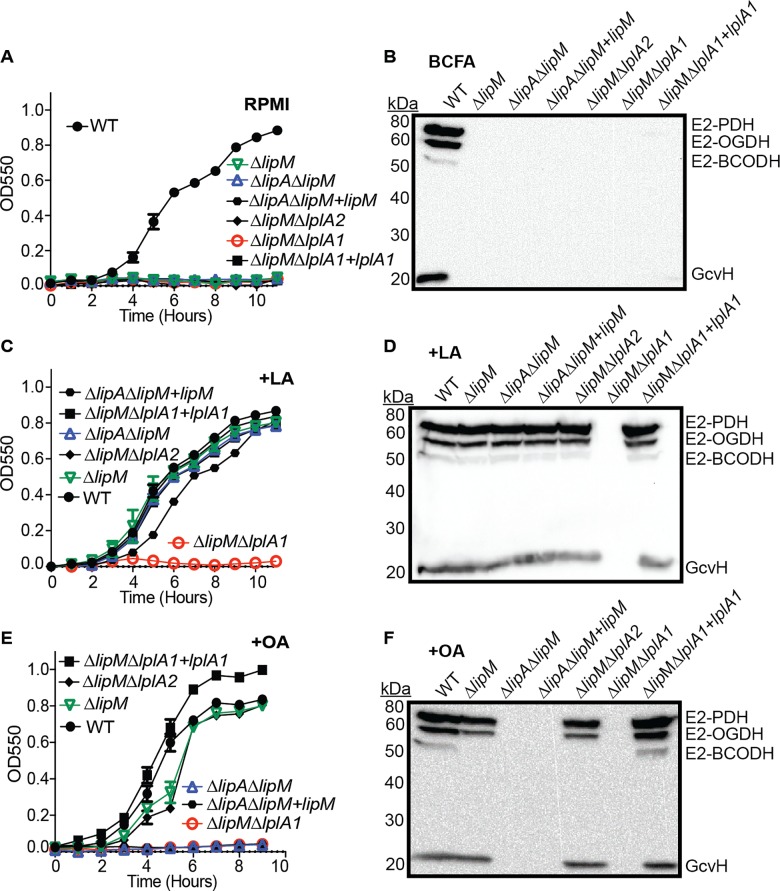
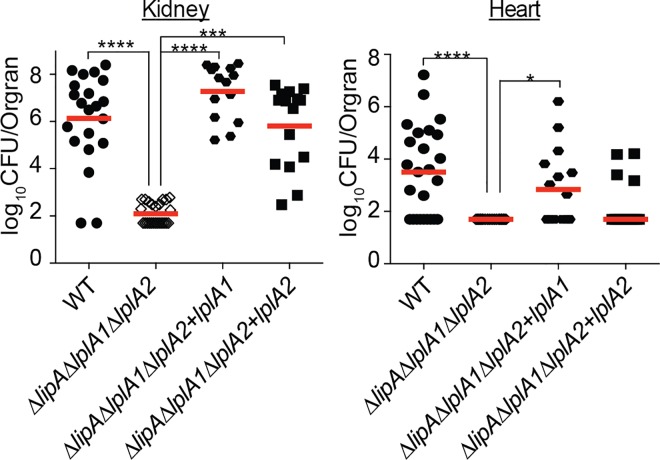
To thrive in diverse environments, bacteria must shift their metabolic output in response to nutrient bioavailability. In many bacterial species, such changes in metabolic flux depend upon lipoic acid, a cofactor required for the activity of enzyme complexes involved in glycolysis, the citric acid cycle, glycine catabolism, and branched chain fatty acid biosynthesis. The requirement of lipoic acid for metabolic enzyme activity necessitates that bacteria synthesize the cofactor and/or scavenge it from environmental sources. Although use of lipoic acid is a conserved phenomenon, the mechanisms behind its biosynthesis and salvage can differ considerably between bacterial species. Furthermore, low levels of circulating free lipoic acid in mammals underscore the importance of lipoic acid acquisition for pathogenic microbes during infection. In this study, we used a genetic approach to characterize the mechanisms of lipoic acid biosynthesis and salvage in the bacterial pathogen Staphylococcus aureus and evaluated the requirements for both pathways during murine sepsis. We determined that S. aureus lipoic acid biosynthesis and salvage genes exist in an arrangement that directly links redox stress response and acetate biosynthesis genes. In addition, we found that lipoic acid salvage is dictated by two ligases that facilitate growth and lipoylation in distinct environmental conditions in vitro, but that are fully compensatory for survival in vivo. Upon infection of mice, we found that de novo biosynthesis or salvage promotes S. aureus survival in a manner that depends upon the infectious site. In addition, when both lipoic acid biosynthesis and salvage are blocked S. aureus is rendered avirulent, implying an inability to induce lipoic acid-independent metabolic programs to promote survival. Together, our results define the major pathways of lipoic acid biosynthesis and salvage in S. aureus and support the notion that bacterial nutrient acquisition schemes are instrumental in dictating pathogen proclivity for an infectious niche.
为了在多样的环境中茁壮成长,细菌必须根据营养物质的可利用性改变其代谢产出。在许多细菌物种中,这种代谢通量的变化依赖于硫辛酸,硫辛酸是参与糖酵解、柠檬酸循环、甘氨酸分解代谢和支链脂肪酸生物合成的酶复合物活性所需的一种辅因子。硫辛酸对于代谢酶活性的需求使得细菌必须合成这种辅因子和/或从环境来源中获取它。尽管硫辛酸的使用是一种保守现象,但不同细菌物种之间其生物合成和获取机制可能有很大差异。此外,哺乳动物体内循环游离硫辛酸水平较低,这凸显了感染期间致病微生物获取硫辛酸的重要性。在本研究中,我们采用遗传学方法来表征细菌病原体金黄色葡萄球菌中硫辛酸生物合成和获取的机制,并评估小鼠脓毒症期间这两条途径的需求。我们确定金黄色葡萄球菌的硫辛酸生物合成和获取基因以一种直接连接氧化还原应激反应和乙酸盐生物合成基因的排列方式存在。此外,我们发现硫辛酸的获取由两种连接酶决定,这两种连接酶在体外不同环境条件下促进生长和硫辛酰化,但在体内生存方面具有完全补偿作用。在感染小鼠后,我们发现从头生物合成或获取以一种依赖于感染部位的方式促进金黄色葡萄球菌的存活。此外,当硫辛酸的生物合成和获取都被阻断时,金黄色葡萄球菌变得无毒力,这意味着它无法诱导不依赖硫辛酸的代谢程序来促进存活。总之,我们的结果确定了金黄色葡萄球菌中硫辛酸生物合成和获取的主要途径,并支持了细菌营养获取方案在决定病原体对感染生态位的倾向方面起重要作用这一观点。