Torres Francesc, Uranga Arantxa, Riverola Martí, Sobreviela Guillermo, Barniol Núria
Electrical Engineering Department, Universitat Autònoma de Barcelona, Edifici Q, Campus UAB Bellaterra, Cerdanyola del Vallès 08193, Spain.
Sensors (Basel). 2016 Oct 13;16(10):1690. doi: 10.3390/s16101690.
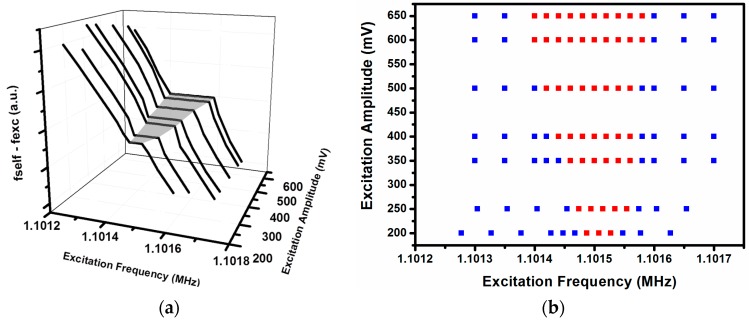
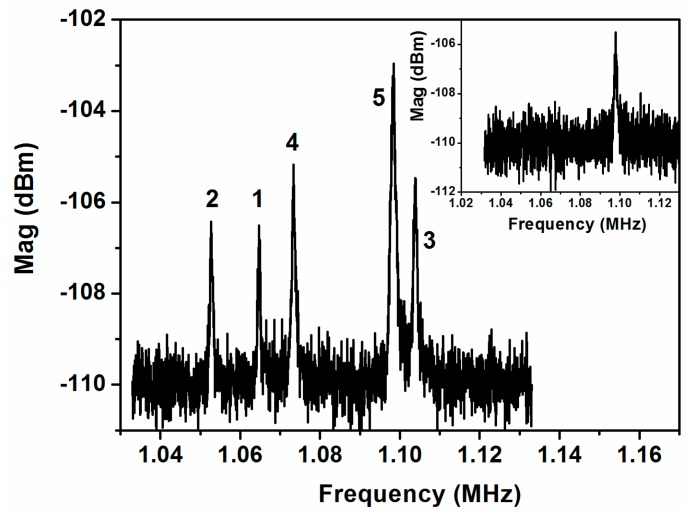
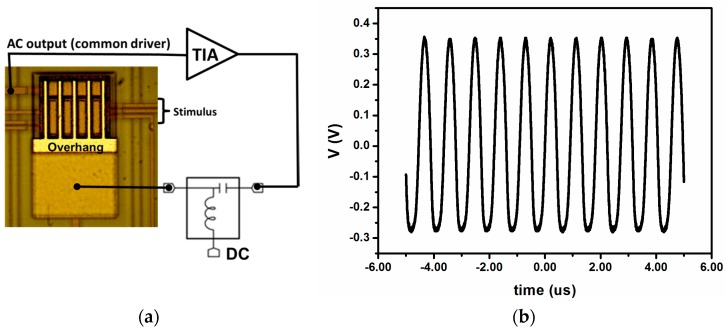
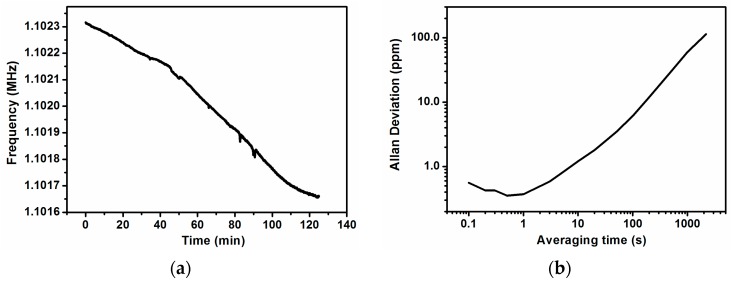
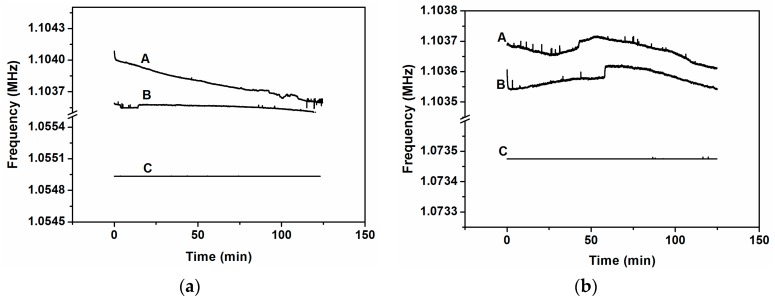
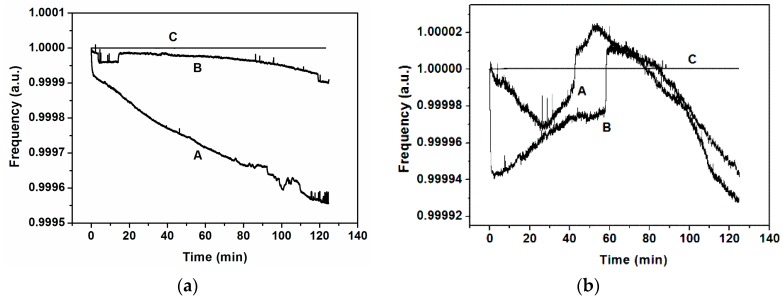
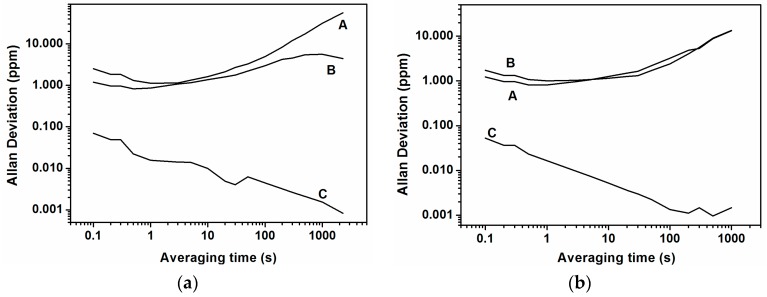
Micro and nano electromechanical resonators have been widely used as single or multiple-mass detection sensors. Smaller devices with higher resonance frequencies and lower masses offer higher mass responsivities but suffer from lower frequency stability. Synchronization phenomena in multiple MEMS resonators have become an important issue because they allow frequency stability improvement, thereby preserving mass responsivity. The authors present an array of five cantilevers (CMOS-MEMS system) that are forced to vibrate synchronously to enhance their frequency stability. The frequency stability has been determined in closed-loop configuration for long periods of time by calculating the Allan deviation. An Allan deviation of 0.013 ppm (@ 1 s averaging time) for a 1 MHz cantilever array MEMS system was obtained at the synchronized mode, which represents a 23-fold improvement in comparison with the non-synchronized operation mode (0.3 ppm).
微纳机电谐振器已被广泛用作单质量或多质量检测传感器。具有更高谐振频率和更低质量的更小器件具有更高的质量响应度,但频率稳定性较低。多个微机电系统(MEMS)谐振器中的同步现象已成为一个重要问题,因为它可以提高频率稳定性,从而保持质量响应度。作者展示了一个由五个悬臂梁组成的阵列(CMOS-MEMS系统),这些悬臂梁被强制同步振动以提高其频率稳定性。通过计算阿伦偏差,在闭环配置下长时间确定了频率稳定性。在同步模式下,1 MHz悬臂梁阵列MEMS系统的阿伦偏差为0.013 ppm(@ 1秒平均时间),与非同步操作模式(0.3 ppm)相比提高了23倍。