Institute of Semiconductor Technology (IHT) and Laboratory of Emerging Nanometrology (LENA), Technische Universität Braunschweig, 38106 Braunschweig, Germany.
Research Center for Physics, Indonesian Institute of Sciences (LIPI), 15314 Tangerang Selatan, Indonesia.
Sensors (Basel). 2020 Jan 22;20(3):618. doi: 10.3390/s20030618.
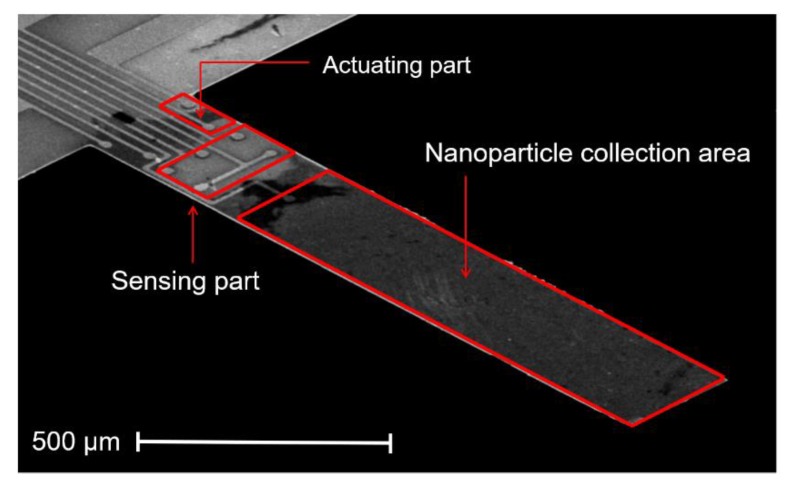
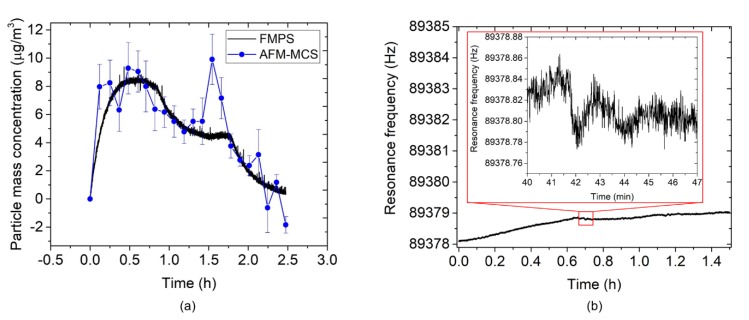
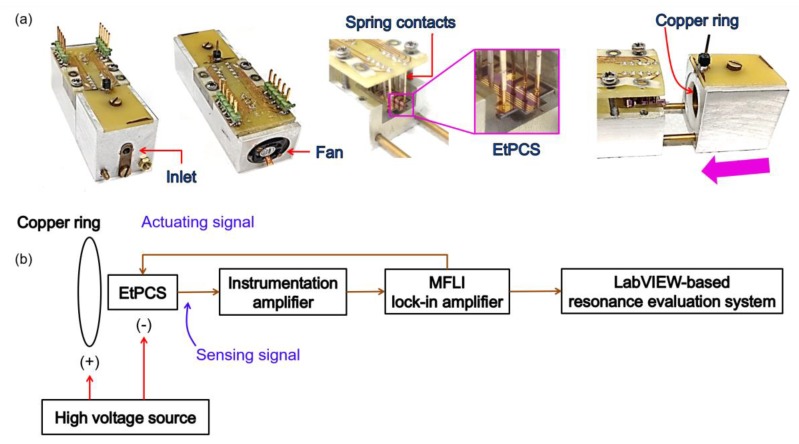
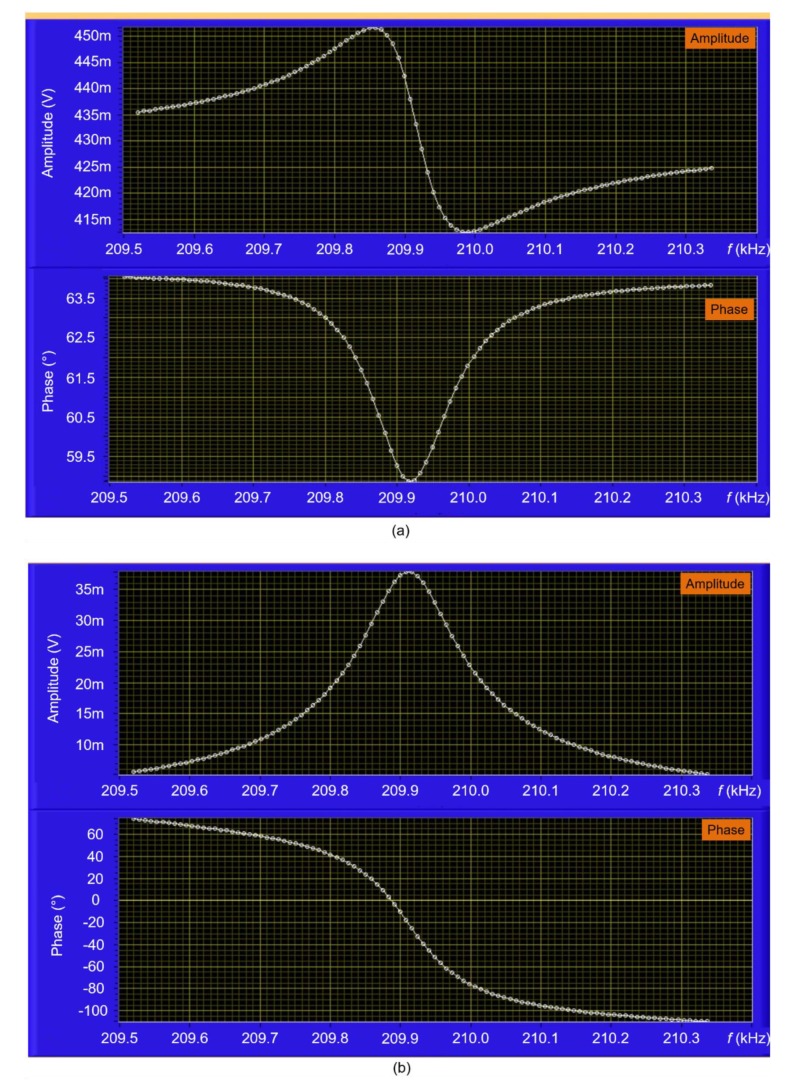
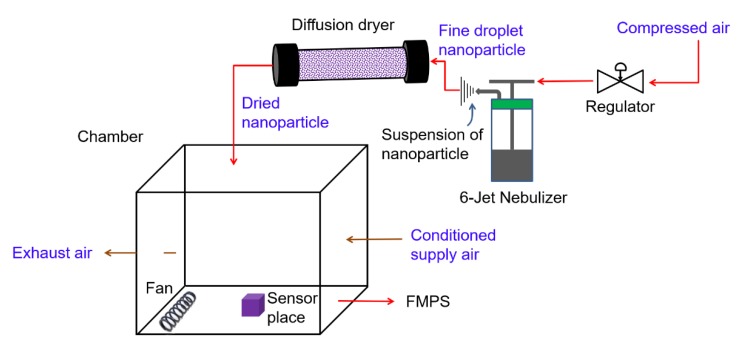
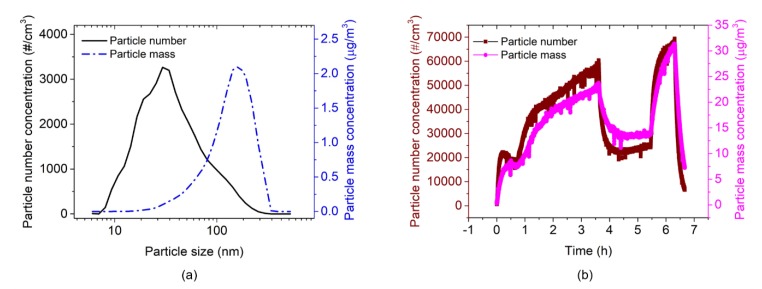
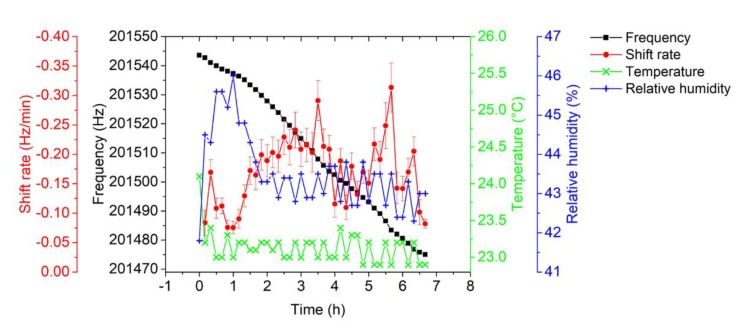
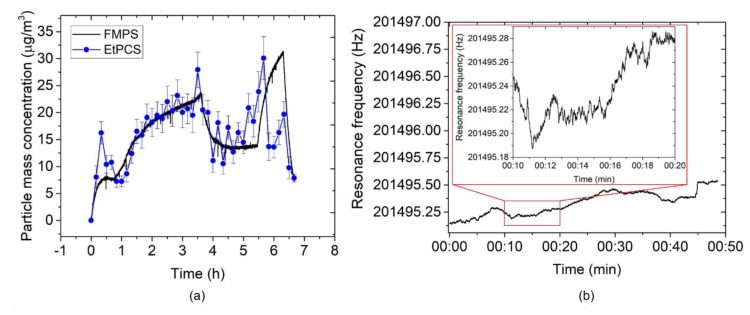
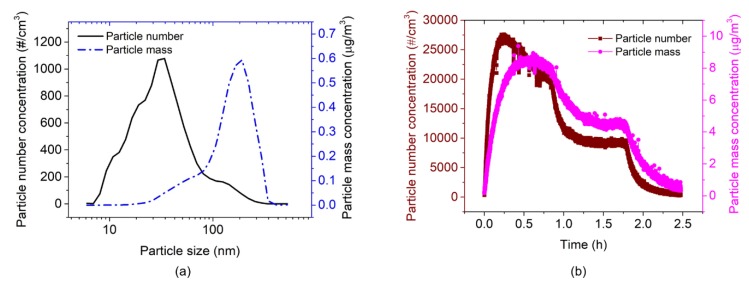
In this study, we investigate the performance of two piezoresistive micro-electro-mechanical system (MEMS)-based silicon cantilever sensors for measuring target analytes (i.e., ultrafine particulate matters). We use two different types of cantilevers with geometric dimensions of 1000 × 170 × 19.5 µm and 300 × 100 × 4 µm, which refer to the 1st and 2nd types of cantilevers, respectively. For the first case, the cantilever is configured to detect the fundamental in-plane bending mode and is actuated using a resistive heater. Similarly, the second type of cantilever sensor is actuated using a meandering resistive heater (bimorph) and is designed for out-of-plane operation. We have successfully employed these two cantilevers to measure and monitor the changes of mass concentration of carbon nanoparticles in air, provided by atomizing suspensions of these nanoparticles into a sealed chamber, ranging from 0 to several tens of µg/m and oversize distributions from ~10 nm to ~350 nm. Here, we deploy both types of cantilever sensors and operate them simultaneously with a standard laboratory system (Fast Mobility Particle Sizer, FMPS, TSI 3091) as a reference.
在本研究中,我们研究了两种基于压阻式微机电系统(MEMS)的硅悬臂梁传感器在测量目标分析物(即超细颗粒物)方面的性能。我们使用了两种具有不同几何尺寸的悬臂梁,尺寸分别为 1000×170×19.5 µm 和 300×100×4 µm,分别称为第一类和第二类悬臂梁。对于第一种情况,悬臂梁被配置为检测面内弯曲的基本模式,并使用电阻加热器进行激励。同样,第二种类型的悬臂梁传感器使用曲折的电阻加热器(双压电晶片)进行激励,并设计用于面外操作。我们成功地使用这两种悬臂梁来测量和监测空气中碳纳米颗粒的质量浓度变化,通过将这些纳米颗粒的悬浮液雾化到密封室内来实现,质量浓度范围从 0 到几十微克/立方米,尺寸分布从10nm 到350nm。在这里,我们同时使用两种类型的悬臂梁传感器和标准实验室系统(快速迁移率颗粒粒径分析仪,FMPS,TSI 3091)进行操作,作为参考。