Whiteside Theresa L
University of Pittsburgh School of Medicine, University of Pittsburgh Cancer Institute, 5117 Centre Avenue, Suite 1.32, Pittsburgh, PA 15213, USA.
Vaccines (Basel). 2016 Oct 20;4(4):35. doi: 10.3390/vaccines4040035.
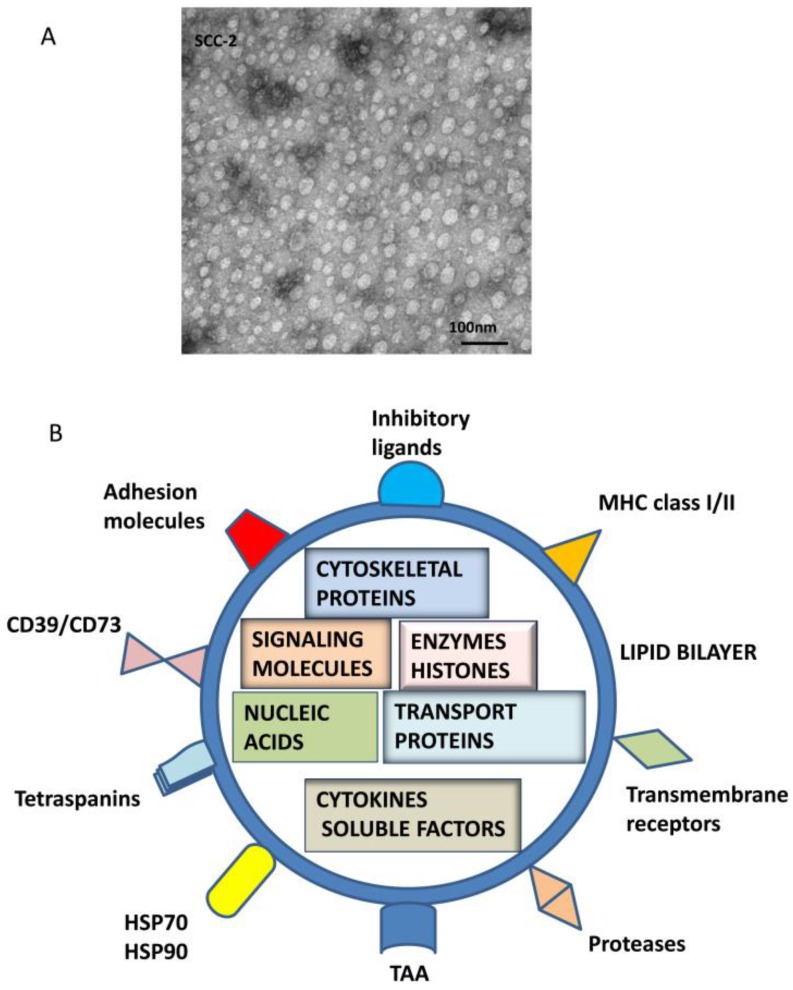
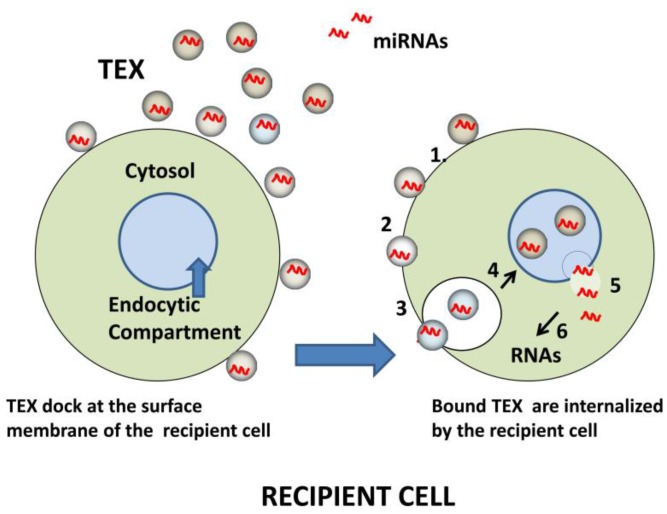
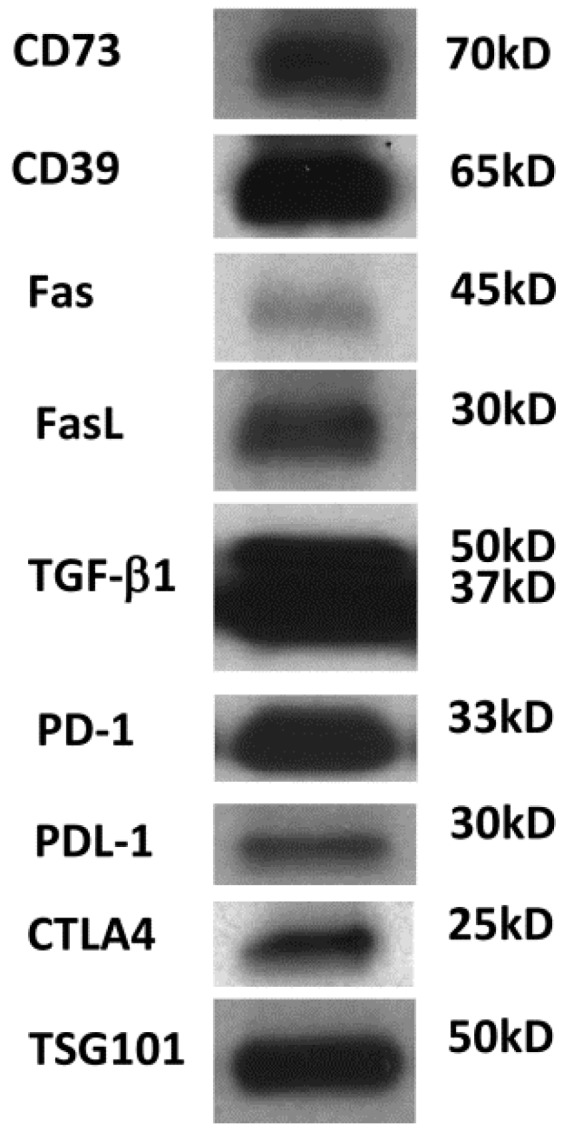
Tumor-derived exosomes (TEX) are emerging as critical components of an intercellular information network between the tumor and the host. The tumor escapes from the host immune system by using a variety of mechanisms designed to impair or eliminate anti-tumor immunity. TEX carrying a cargo of immunoinhibitory molecules and factors represent one such mechanism. TEX, which are present in all body fluids of cancer patients, deliver negative molecular or genetic signals to immune cells re-programming their functions. Although TEX can also stimulate immune activity, in the microenvironments dominated by the tumor, TEX tend to mediate immune suppression thus promoting tumor progression. The TEX content, in part resembling that of the parent cell, may serve as a source of cancer biomarkers. TEX also interfere with immune therapies. A better understanding of TEX and their contribution to cancer progression and cancer patients' response to immune therapies represents a challenging new field of investigation.
肿瘤衍生的外泌体(TEX)正成为肿瘤与宿主之间细胞间信息网络的关键组成部分。肿瘤通过多种旨在削弱或消除抗肿瘤免疫的机制逃避免疫系统。携带免疫抑制分子和因子的TEX就是其中一种机制。TEX存在于癌症患者的所有体液中,向免疫细胞传递负性分子或遗传信号,从而重新编程其功能。尽管TEX也能刺激免疫活性,但在以肿瘤为主导的微环境中,TEX往往介导免疫抑制,从而促进肿瘤进展。TEX的内容物部分类似于亲代细胞,可作为癌症生物标志物的来源。TEX还会干扰免疫治疗。更好地了解TEX及其对癌症进展和癌症患者免疫治疗反应的作用,是一个具有挑战性的新研究领域。