Zamanian Azodi Mona, Peyvandi Hassan, Rostami-Nejad Mohammad, Safaei Akram, Rostami Kamran, Vafaee Reza, Heidari Mohammadhossein, Hosseini Mostafa, Zali Mohammad Reza
Basic and Molecular Epidemiology of Gastrointestinal Disorders Research Center, Research Institute for Gastroenterology and Liver Diseases, Shahid Beheshti University of Medical Sciences, Tehran, Iran.
Hearing Disorders Research Center, Shahid Beheshti University of Medical Sciences, Tehran, Iran.
Gastroenterol Hepatol Bed Bench. 2016 Fall;9(4):268-277.
The aim of this study is to investigate the Protein-Protein Interaction Network of Celiac Disease.
Celiac disease (CD) is an autoimmune disease with susceptibility of individuals to gluten of wheat, rye and barley Understanding the molecular mechanisms and involved pathway may lead to the development of drug target discovery The protein interaction network is one of the supportive fields to discover the pathogenesis biomarkers for celiac disease.
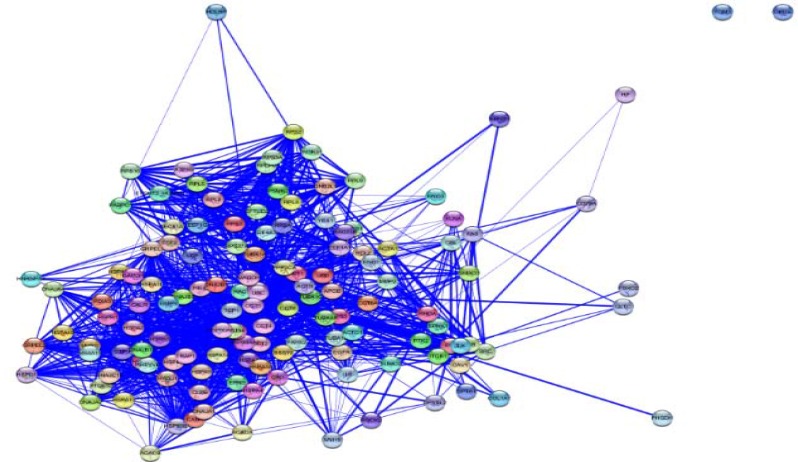
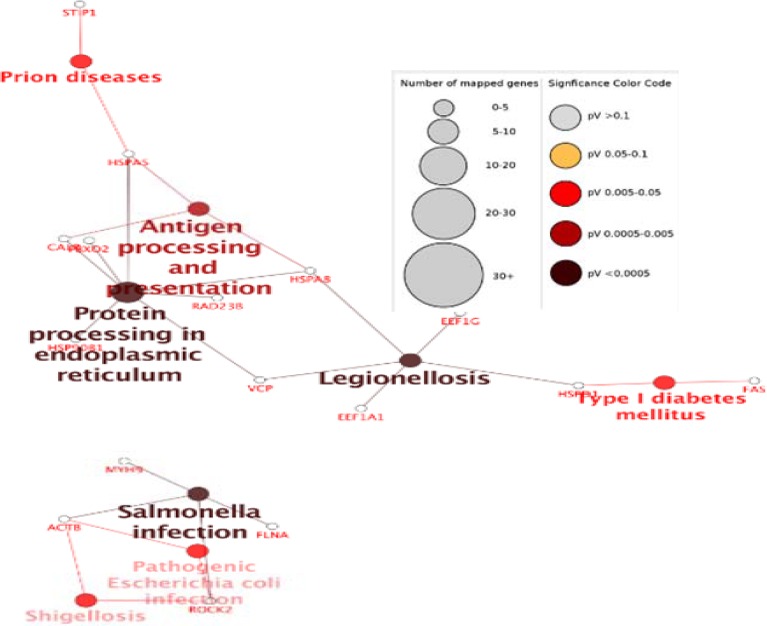
In the present study, we collected the articles that focused on the proteomic data in celiac disease. According to the gene expression investigations of these articles, 31 candidate proteins were selected for this study. The networks of related differentially expressed protein were explored using Cytoscape 3.3 and the PPI analysis methods such as MCODE and ClueGO.
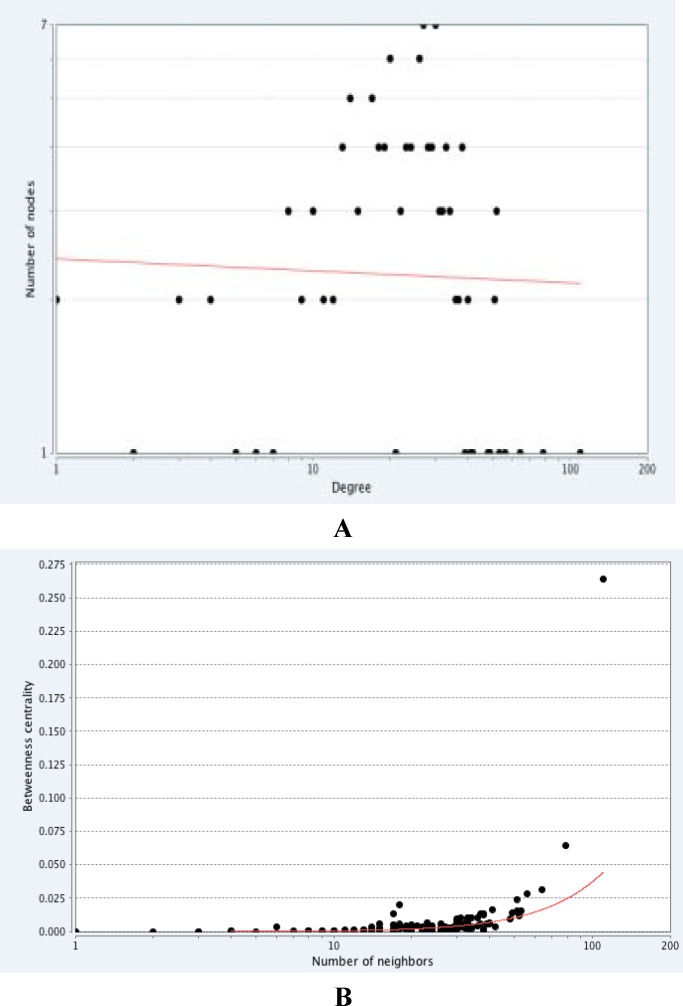
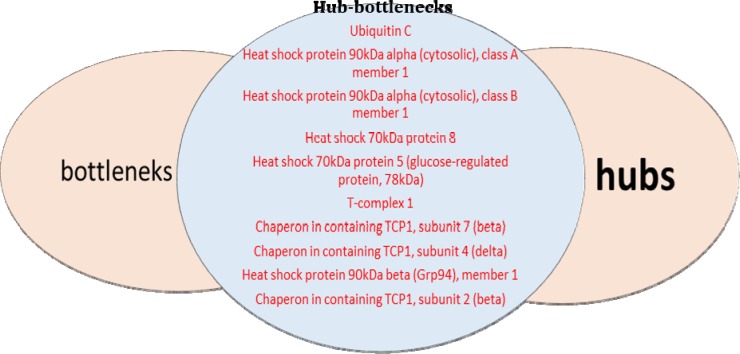
According to the network analysis Ubiquitin C, Heat shock protein 90kDa alpha (cytosolic and Grp94); class A, B and 1 member, Heat shock 70kDa protein, and protein 5 (glucose-regulated protein, 78kDa), T-complex, Chaperon in containing TCP1; subunit 7 (beta) and subunit 4 (delta) and subunit 2 (beta), have been introduced as hub-bottlnecks proteins. HSP90AA1, MKKS, EZR, HSPA14, APOB and CAD have been determined as seed proteins.
Chaperons have a bold presentation in curtail area in network therefore these key proteins beside the other hub-bottlneck proteins may be a suitable candidates biomarker panel for diagnosis, prognosis and treatment processes in celiac disease.
本研究旨在探究乳糜泻的蛋白质-蛋白质相互作用网络。
乳糜泻(CD)是一种自身免疫性疾病,个体对小麦、黑麦和大麦中的麸质易感。了解其分子机制和相关途径可能有助于发现药物靶点。蛋白质相互作用网络是发现乳糜泻发病机制生物标志物的辅助领域之一。
在本研究中,我们收集了专注于乳糜泻蛋白质组学数据的文章。根据这些文章的基因表达研究,选择了31种候选蛋白进行本研究。使用Cytoscape 3.3以及诸如MCODE和ClueGO等蛋白质-蛋白质相互作用分析方法探索相关差异表达蛋白的网络。
根据网络分析,泛素C、热休克蛋白90kDaα(胞质和Grp94);A类、B类和1成员、热休克70kDa蛋白以及蛋白5(葡萄糖调节蛋白,78kDa)、T复合体、含TCP1的伴侣蛋白;亚基7(β)、亚基4(δ)和亚基2(β)已被确定为枢纽瓶颈蛋白。HSP90AA1、MKKS、EZR、HSPA14、APOB和CAD已被确定为种子蛋白。
伴侣蛋白在网络的缩减区域中有显著表现,因此这些关键蛋白以及其他枢纽瓶颈蛋白可能是乳糜泻诊断、预后和治疗过程中合适的候选生物标志物组。