Beer Jacob I, Sieber David A, Scheuer Jack F, Greco Timothy M
Division of Facial Plastics and Reconstructive Surgery, Department of Otorhinolaryngology-Head and Neck Surgery, University of Pennsylvania, Philadelphia, Pa.; Marin Plastic Surgery, Mill Valley, Calif.; and Manhatten Ear, Eye, and Throat Hospital, New York, N.Y.
Plast Reconstr Surg Glob Open. 2016 Dec 14;4(12 Suppl Anatomy and Safety in Cosmetic Medicine: Cosmetic Bootcamp):e1175. doi: 10.1097/GOX.0000000000001175. eCollection 2016 Dec.
The advent of new neuromodulators and soft-tissue fillers continues to expand the nonsurgical repertoire of the core cosmetic physician.
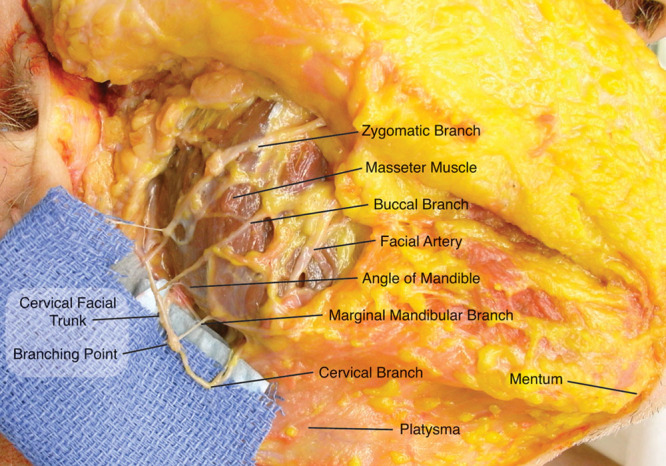
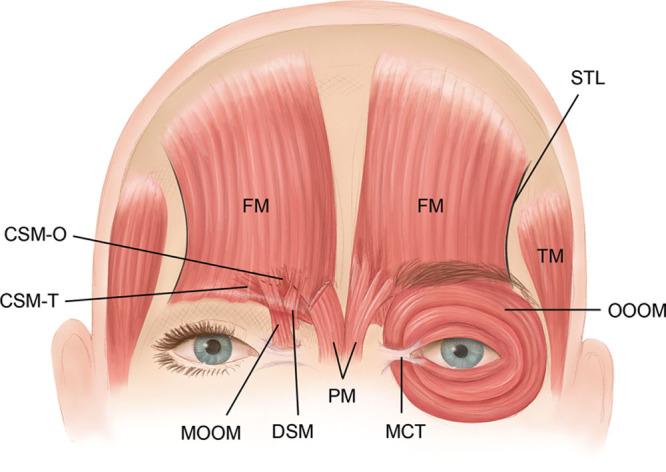
The authors review relevant facial anatomy as it relates to facial aging and the resultant structural changes that occur. These changes are important for the cosmetic physician to identify and understand in order to perform both safe and effective placement of neuromodulators and soft-tissue fillers. In this anatomic review, the authors review key structures that serve as landmarks for successful treatment using both neuromodulators and fillers.
Knowledge of key facial anatomical structures allows the cosmetic physician to perform injection of neuromodulators and soft-tissue fillers in a reproducible manner to optimizing patient safety and results.
新型神经调节剂和软组织填充剂的出现不断扩充着核心美容医生的非手术治疗手段。
作者回顾了与面部衰老相关的面部解剖结构以及由此产生的结构变化。对于美容医生而言,识别并理解这些变化对于安全有效地注射神经调节剂和软组织填充剂至关重要。在本次解剖学回顾中,作者回顾了作为使用神经调节剂和填充剂成功治疗标志的关键结构。
了解关键的面部解剖结构可使美容医生以可重复的方式注射神经调节剂和软组织填充剂,从而优化患者的安全性和治疗效果。