Tomb Rachael M, Maclean Michelle, Coia John E, Graham Elizabeth, McDonald Michael, Atreya Chintamani D, MacGregor Scott J, Anderson John G
The Robertson Trust Laboratory for Electronic Sterilisation Technologies (ROLEST), Department of Electronic & Electrical Engineering, University of Strathclyde, Royal College Building, 204 George Street, Glasgow, G1 1XW, Scotland, UK.
Department of Biomedical Engineering, University of Strathclyde, Wolfson Centre, 106 Rottenrow, Glasgow, Scotland, UK.
Food Environ Virol. 2017 Jun;9(2):159-167. doi: 10.1007/s12560-016-9275-z. Epub 2016 Dec 31.
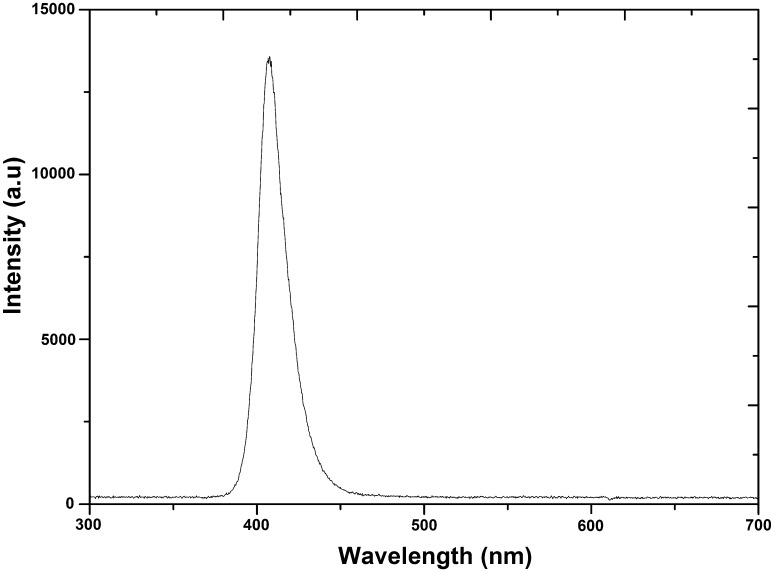
The requirement for novel decontamination technologies for use in hospitals is ever present. One such system uses 405 nm visible light to inactivate microorganisms via ROS-generated oxidative damage. Although effective for bacterial and fungal inactivation, little is known about the virucidal effects of 405 nm light. Norovirus (NoV) gastroenteritis outbreaks often occur in the clinical setting, and this study was designed to investigate potential inactivation effects of 405 nm light on the NoV surrogate, feline calicivirus (FCV). FCV was exposed to 405 nm light whilst suspended in minimal and organically-rich media to establish the virucidal efficacy and the effect biologically-relevant material may play in viral susceptibility. Antiviral activity was successfully demonstrated with a 4 Log (99.99%) reduction in infectivity when suspended in minimal media evident after a dose of 2.8 kJ cm. FCV exposed in artificial faeces, artificial saliva, blood plasma and other organically rich media exhibited an equivalent level of inactivation using between 50-85% less dose of the light, indicating enhanced inactivation when the virus is present in organically-rich biologically-relevant media. Further research in this area could aid in the development of 405 nm light technology for effective NoV decontamination within the hospital environment.
医院对新型消毒技术的需求一直存在。一种这样的系统使用405纳米可见光通过活性氧产生的氧化损伤来灭活微生物。尽管对细菌和真菌的灭活有效,但关于405纳米光的杀病毒效果知之甚少。诺如病毒(NoV)胃肠炎疫情经常在临床环境中发生,本研究旨在调查405纳米光对NoV替代物猫杯状病毒(FCV)的潜在灭活效果。将FCV悬浮在基本培养基和富含有机物的培养基中时,暴露于405纳米光下,以确定杀病毒效力以及生物相关物质可能对病毒敏感性产生的影响。当悬浮在基本培养基中时,在剂量为2.8千焦/平方厘米后,成功证明了抗病毒活性,感染力降低了4个对数(99.99%)。暴露于人工粪便、人工唾液、血浆和其他富含有机物的培养基中的FCV,使用少50 - 85%的光剂量就表现出同等水平的灭活效果,这表明当病毒存在于富含有机物的生物相关培养基中时,灭活效果增强。该领域的进一步研究有助于开发用于医院环境中有效灭活诺如病毒的405纳米光技术。