Adetutu Adewale, Olorunnisola Olubukola S, Owoade Abiodun O, Adegbola Peter
Department of Biochemistry, Ladoke Akintola University of Technology, PMB 4000, Ogbomoso, Nigeria.
Malar Res Treat. 2016;2016:9248024. doi: 10.1155/2016/9248024. Epub 2016 Dec 5.
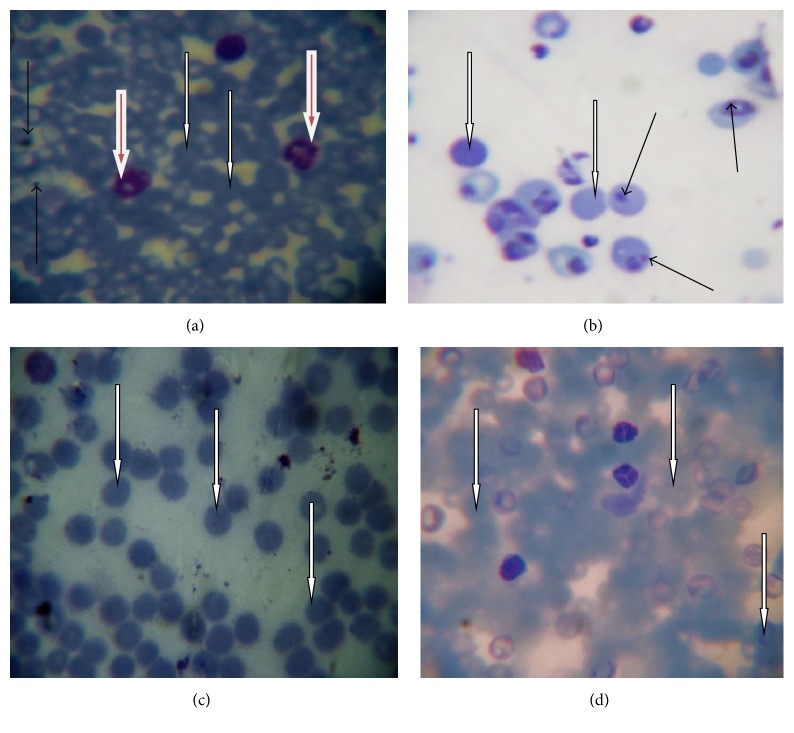
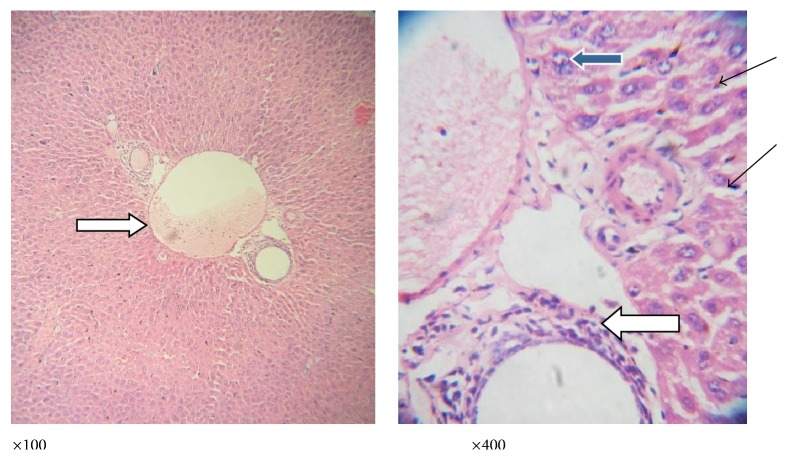
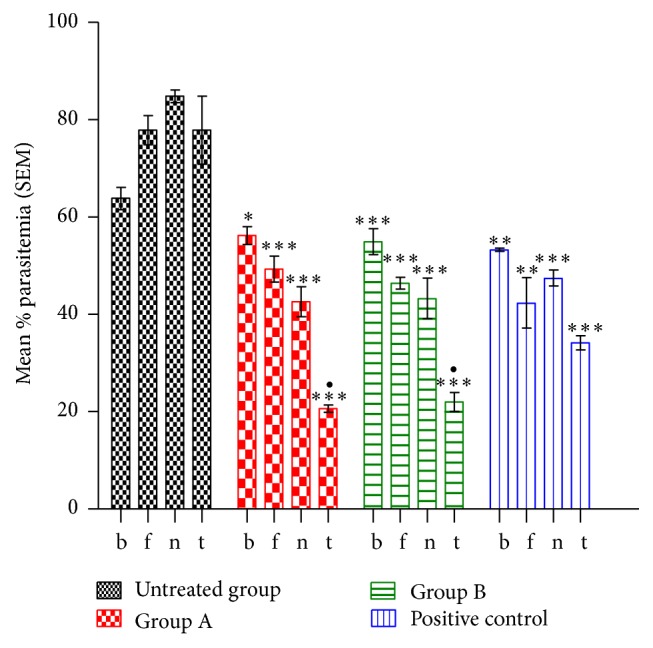
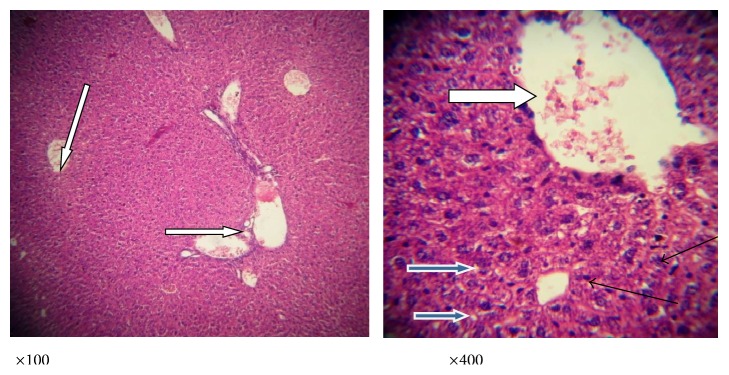
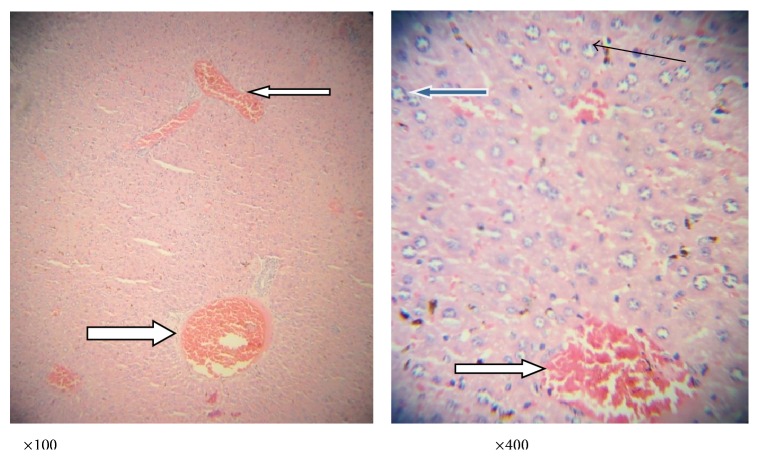
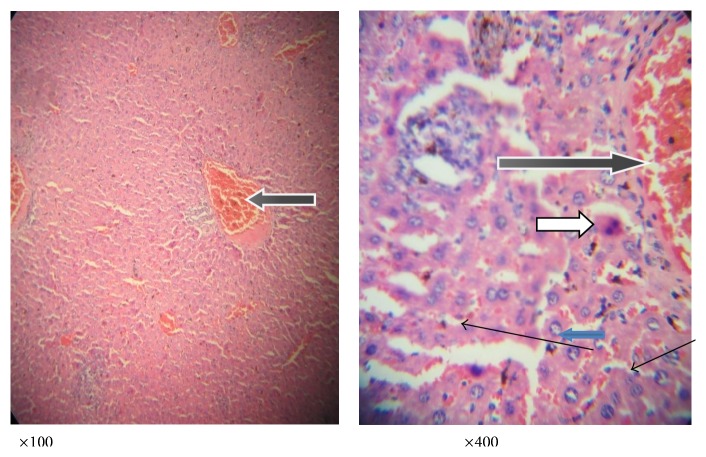
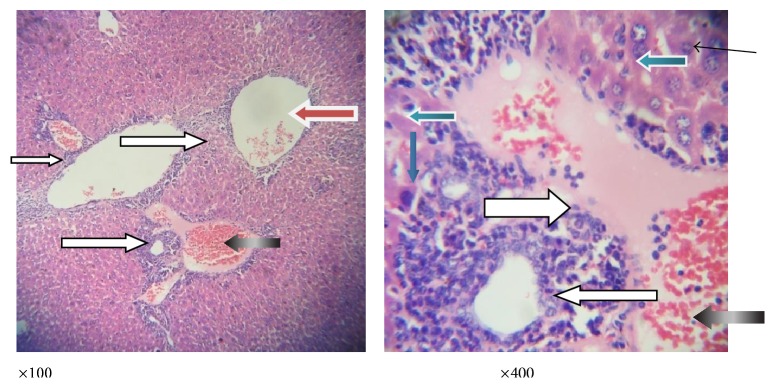
and used by people of Western Africa in the treatment of malaria and related symptoms were assessed for their antiplasmodial value against the chloroquine sensitive strain of . Crude extracts (200 mg/kg) and chloroquine (5 mg/kg) were administered to different groups of Swiss mice. The percentage of parasitemia, survival time, and haematological parameters were determined. Both extracts significantly ( < 0.05) inhibited parasitemia and improved survival time in infected mice. The crude extracts prevented loss of some haematological parameters. . had a distinct effect on the packed cell volume. The extract was able to protect the liver from some of the damage. This study however showed that the methanolic extracts of and possess antiplasmodial activity. The results of this study can be used as a basis for further phytochemical investigations in the search for new and locally affordable antimalarial agents.
对西非人们用于治疗疟疾及相关症状的[植物名称未给出]进行了评估,测定其对氯喹敏感株的抗疟原虫活性。将粗提物(200毫克/千克)和氯喹(5毫克/千克)给予不同组的瑞士小鼠。测定了疟原虫血症百分比、存活时间和血液学参数。两种提取物均显著(P<0.05)抑制了感染小鼠的疟原虫血症并延长了存活时间。粗提物防止了一些血液学参数的丢失。[植物名称未给出]对红细胞压积有明显影响。该提取物能够保护肝脏免受一些损伤。然而,本研究表明[植物名称未给出]的甲醇提取物具有抗疟原虫活性。本研究结果可作为进一步植物化学研究的基础,以寻找新的、当地可负担得起的抗疟药物。