Borda-Molina Daniel, Vital Marius, Sommerfeld Vera, Rodehutscord Markus, Camarinha-Silva Amélia
Animal Nutrition Department, Institute of Animal Science, University of Hohenheim Stuttgart, Germany.
Microbial Interactions and Processes Research Group, Helmholtz Centre for Infection Research Braunschweig, Germany.
Front Microbiol. 2016 Dec 19;7:2033. doi: 10.3389/fmicb.2016.02033. eCollection 2016.
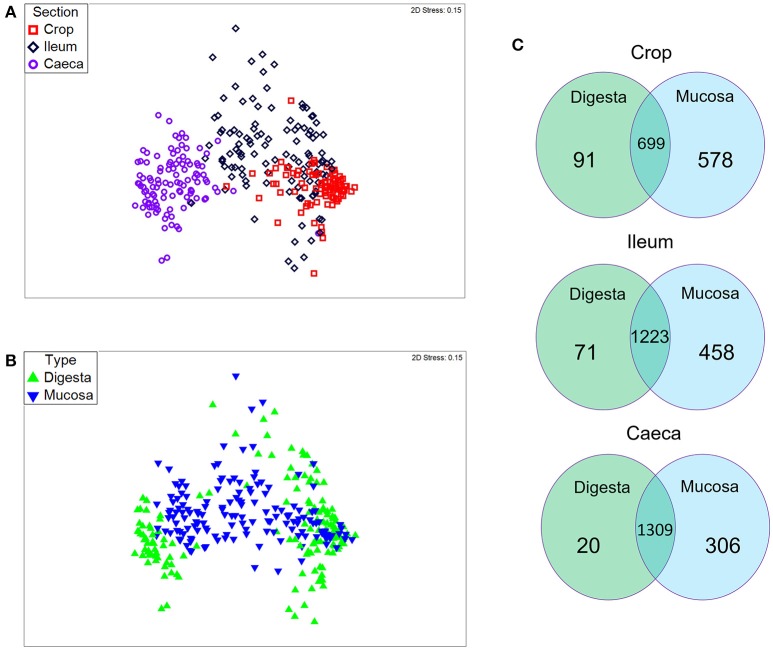
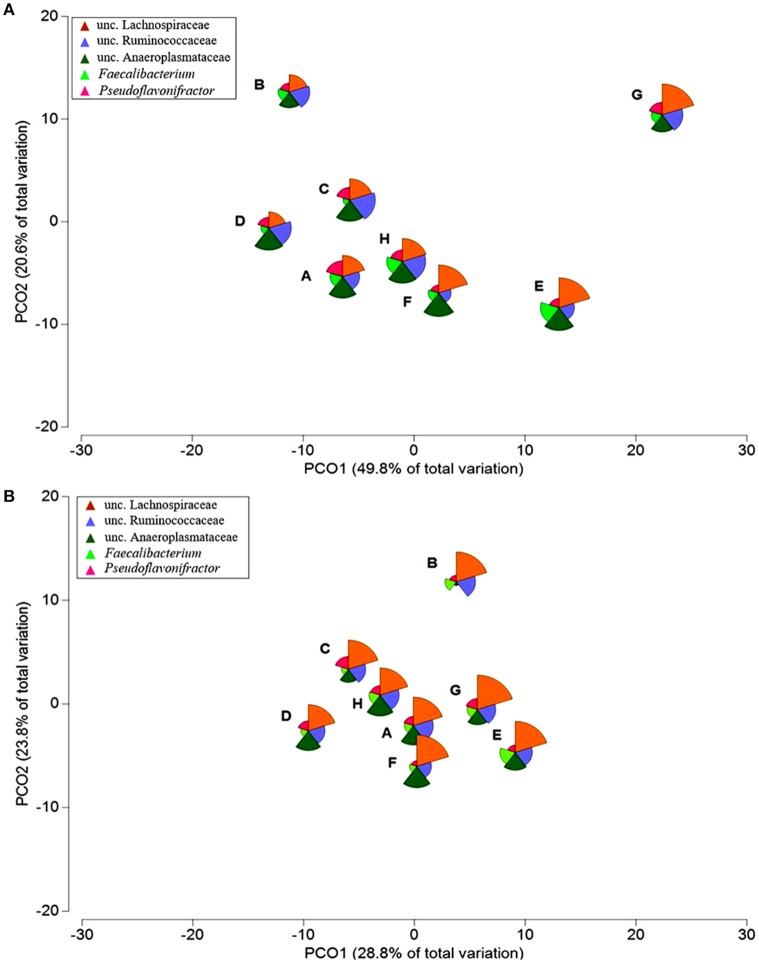
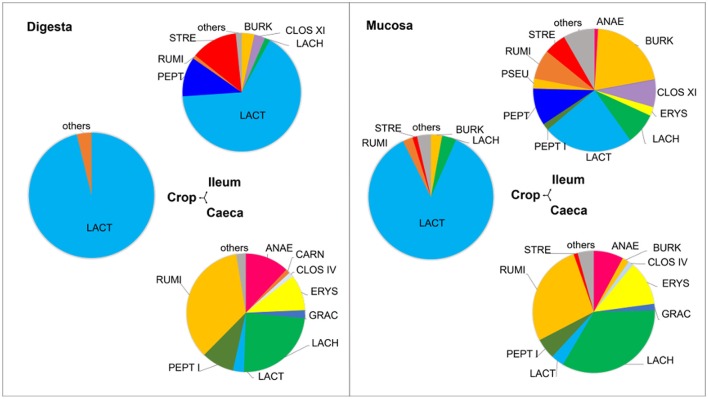
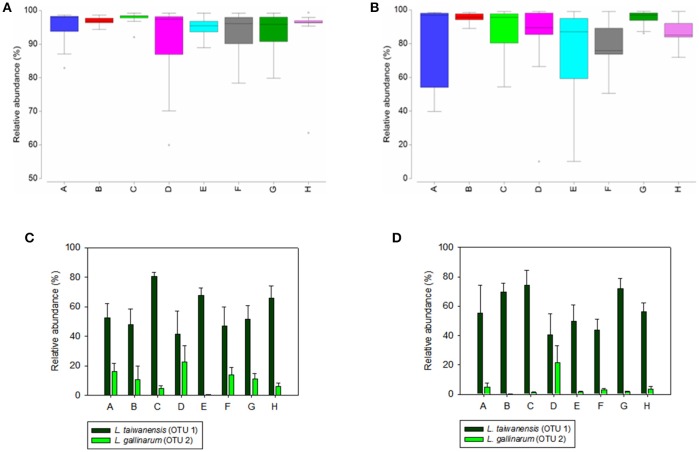
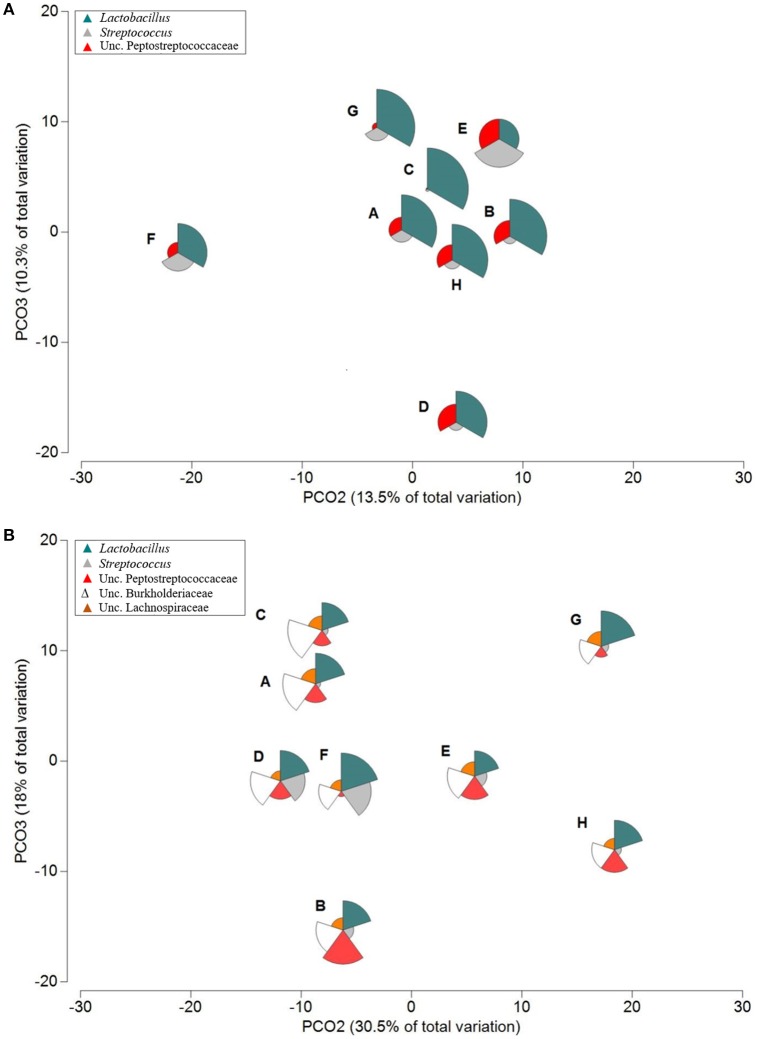
Phytase supplementation in broiler diets is a common practice to improve phosphorus (P) availability and to reduce P loss by excretion. An enhanced P availability, and its concomitant supplementation with calcium (Ca), can affect the structure of the microbial community in the digestive tract of broiler chickens. Here, we aim to distinguish the effects of mineral P, Ca, and phytase on the composition of microbial communities present in the content and the mucosa layer of the gastrointestinal tract (GIT) of broiler chickens. Significant differences were observed between digesta and mucosa samples for the GIT sections studied ( = 0.001). The analyses of 56 individual birds showed a high microbial composition variability within the replicates of the same diet. The average similarity within replicates of digesta and mucosa samples across all diets ranged from 29 to 82% in crop, 19-49% in ileum, and 17-39% in caeca. Broilers fed with a diet only supplemented with Ca had the lowest body weight gain and feed conversion values while diets supplemented with P showed the best performance results. An effect of each diet on crop mucosa samples was observed, however, similar results were not obtained from digesta samples. Microbial communities colonizing the ileum mucosa samples were affected by P supplementation. Caeca-derived samples showed the highest microbial diversity when compared to the other GIT sections and the most prominent phylotypes were related to genus and , known for their influence on gut health and as butyrate producers. Lower microbial diversity in crop digesta was linked to lower growth performance of birds fed with a diet only supplemented with Ca. Each diet affected microbial communities within individual sections, however, no diet showed a comprehensive effect across all GIT sections, which can primarily be attributed to the great variability among replicates. The substantial community differences between digesta and mucosa derived samples indicate that both habitats have to be considered when the influence of diet on the gut microbiota, broiler growth performance, and animal health is investigated.
在肉鸡日粮中添加植酸酶是提高磷(P)利用率和减少磷排泄损失的常见做法。磷利用率的提高及其与钙(Ca)的同时添加,会影响肉鸡消化道微生物群落的结构。在此,我们旨在区分无机磷、钙和植酸酶对肉鸡胃肠道(GIT)内容物和黏膜层中微生物群落组成的影响。在所研究的GIT各节段中,食糜和黏膜样本之间观察到显著差异(P = 0.001)。对56只个体鸡的分析表明,同一日粮重复样本中的微生物组成存在高度变异性。所有日粮中食糜和黏膜样本重复样本之间的平均相似度在嗉囊中为29%至82%,回肠中为19%至49%,盲肠中为17%至39%。仅添加钙的日粮喂养的肉鸡体重增加和饲料转化率最低,而添加磷的日粮表现出最佳性能结果。观察到每种日粮对嗉囊黏膜样本有影响,然而,从食糜样本中未获得类似结果。回肠黏膜样本中的微生物群落受到磷添加的影响。与其他GIT节段相比,盲肠来源的样本显示出最高的微生物多样性,最突出的系统发育型与属和属有关,它们以对肠道健康的影响和作为丁酸盐生产者而闻名。嗉囊食糜中较低的微生物多样性与仅添加钙的日粮喂养的鸡的较低生长性能有关。每种日粮都会影响各个节段内的微生物群落,然而,没有一种日粮对所有GIT节段都有全面影响,这主要可归因于重复样本之间的巨大变异性。食糜和黏膜来源样本之间的显著群落差异表明,在研究日粮对肠道微生物群、肉鸡生长性能和动物健康的影响时,必须同时考虑这两种生境。