Min Jae Eun, Green David B, Kim Loan
Department of Nutritional Sciences Pepperdine University 24255 Pacific Coast Highway Malibu California 90263.
Department of Chemistry Pepperdine University 24255 Pacific Coast Highway Malibu California 90263.
Food Sci Nutr. 2016 Mar 29;5(1):38-45. doi: 10.1002/fsn3.362. eCollection 2017 Jan.
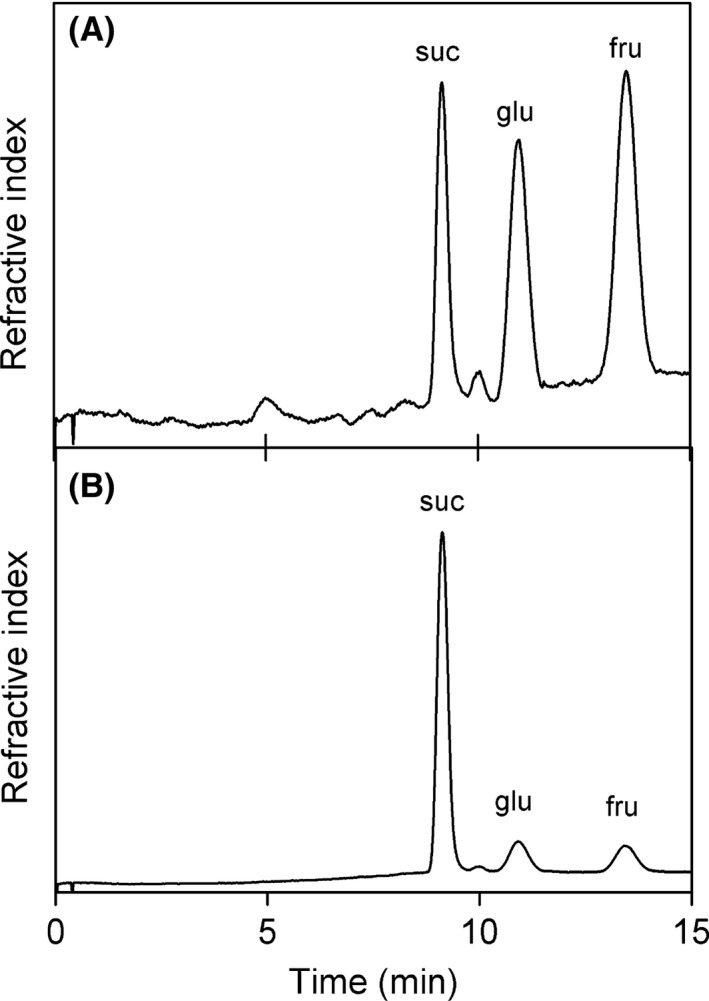
In the last several decades, obesity rates have reached epidemic proportions, and increases the risk for a host of comorbidities, including diabetes, cardiovascular disease, and certain kinds of cancers. Boba milk tea, first became popular in the 1990s throughout Asia, and has gained more popularity in the United States and in Europe since 2000. Currently, available nutrition data from online sites suggest this beverage contains high amounts of sugar and fat. One published nutrition study suggests that boba tea drinks are part of the larger group of sugar-sweetened beverages (SSB) because these beverages are usually sweetened with high-fructose corn syrup (HFCS). This study experimentally determined the sugar composition (sucrose, fructose, glucose, and melezitose) and calorific values of boba milk tea drinks and their components. Results suggested that boba drinks fit the US Dietary Guidelines definition of a SSB. One 16-ounce boba drink exceeds the upper limit of added sugar intake recommended by the 2015 US Dietary Guidelines Advisory Committee. The high caloric and sugar content of boba beverages pose public health concerns as they have the potential to further exacerbate the childhood obesity epidemic. Nutrition education targeting Asian populations should give special attention to boba tea as a SSB. Also, prudent public health recommendations should be suggested for moderate consumption of these beverages. With the growing popularity of boba beverages in the United States, the findings from this study provide public health practitioners with valuable data on how boba beverages compare with other SSBs.
在过去几十年中,肥胖率已达到流行程度,并增加了一系列合并症的风险,包括糖尿病、心血管疾病和某些类型的癌症。珍珠奶茶最早于20世纪90年代在亚洲各地流行起来,自2000年以来在美国和欧洲越来越受欢迎。目前,在线网站提供的营养数据表明,这种饮料含有大量的糖和脂肪。一项已发表的营养研究表明,珍珠奶茶属于含糖饮料(SSB)这一更大的类别,因为这些饮料通常用高果糖玉米糖浆(HFCS)加糖。这项研究通过实验确定了珍珠奶茶饮料及其成分的糖组成(蔗糖、果糖、葡萄糖和松三糖)和热量值。结果表明,珍珠奶茶符合美国膳食指南中对含糖饮料的定义。一杯16盎司的珍珠奶茶超过了2015年美国膳食指南咨询委员会建议的添加糖摄入量上限。珍珠奶茶饮料的高热量和高糖含量引发了公共卫生问题,因为它们有可能进一步加剧儿童肥胖的流行。针对亚洲人群的营养教育应特别关注珍珠奶茶作为一种含糖饮料。此外,应该提出谨慎的公共卫生建议,以适度饮用这些饮料。随着珍珠奶茶在美国越来越受欢迎,这项研究的结果为公共卫生从业者提供了关于珍珠奶茶与其他含糖饮料相比情况的宝贵数据。