Brügger Aurelia, Aubert John-David, Piot-Ziegler Chantal
University Hospital of Lausanne (CHUV), Switzerland.
University of Lausanne (UNIL), Switzerland.
Health Psychol Open. 2014 Dec 11;1(1):2055102914561272. doi: 10.1177/2055102914561272. eCollection 2014 Jul.
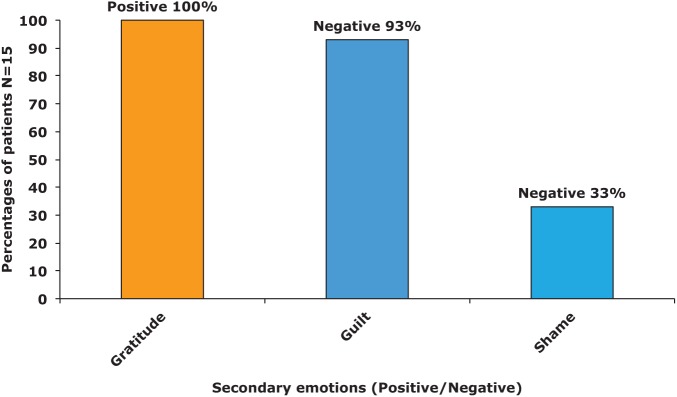
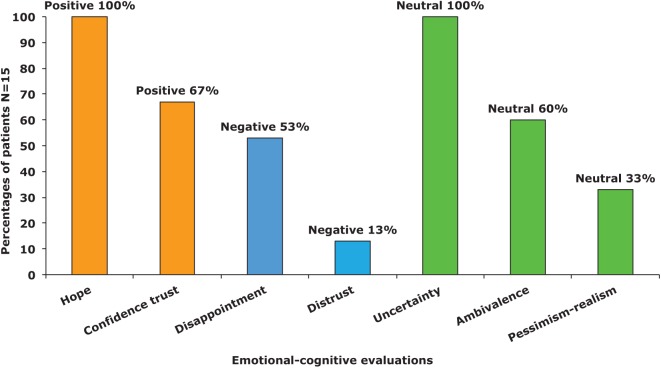
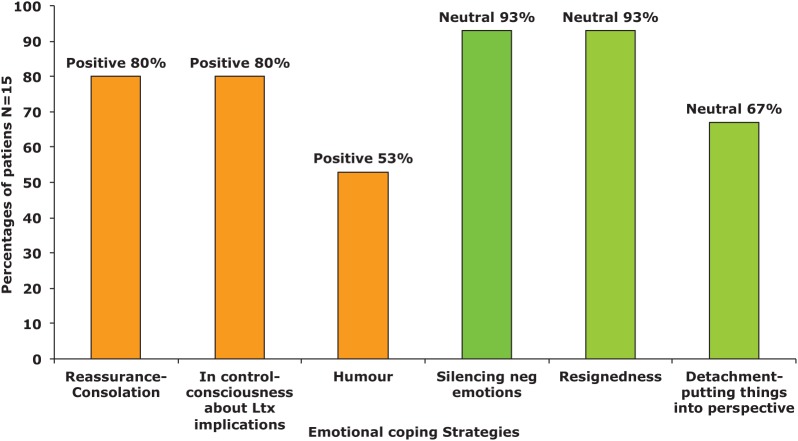
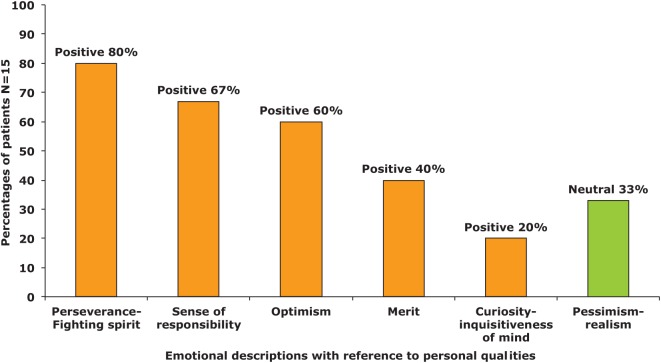
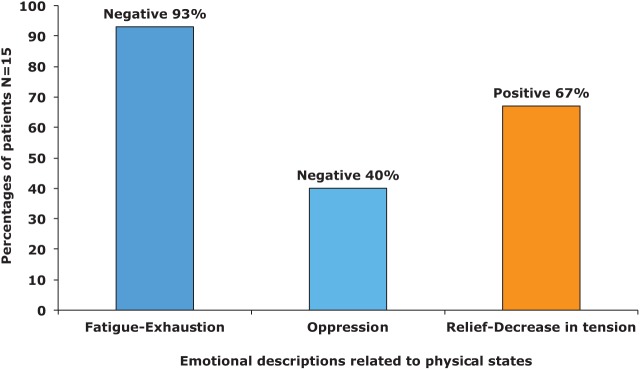
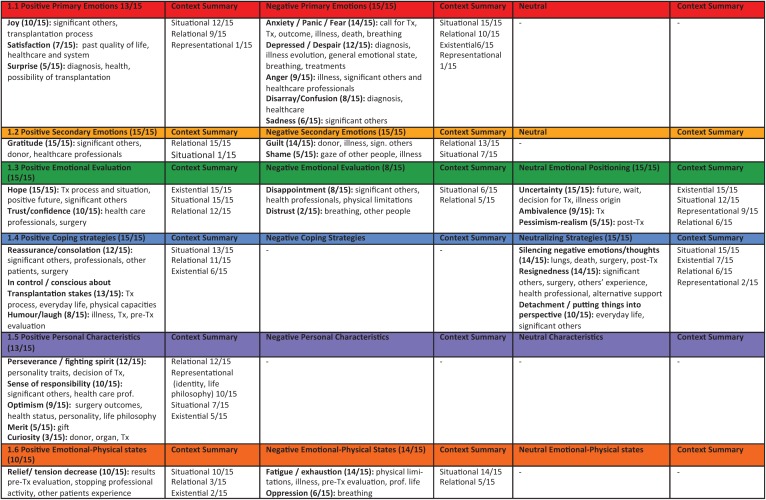
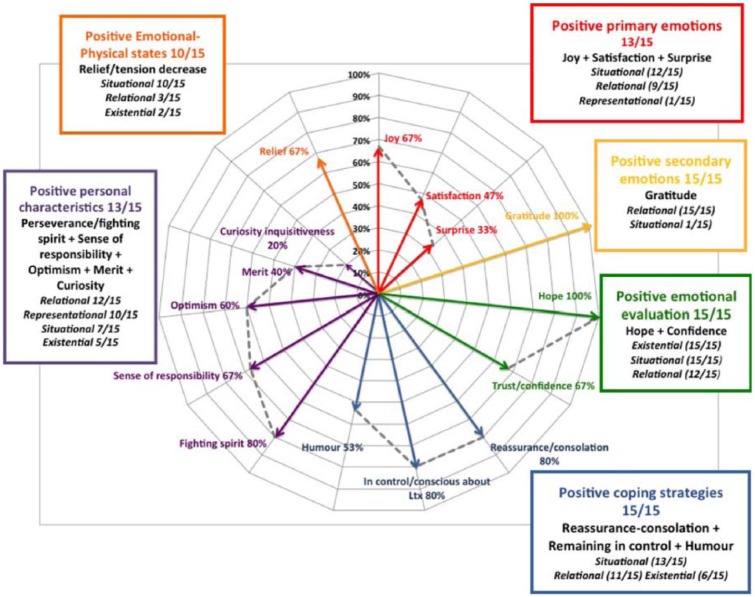
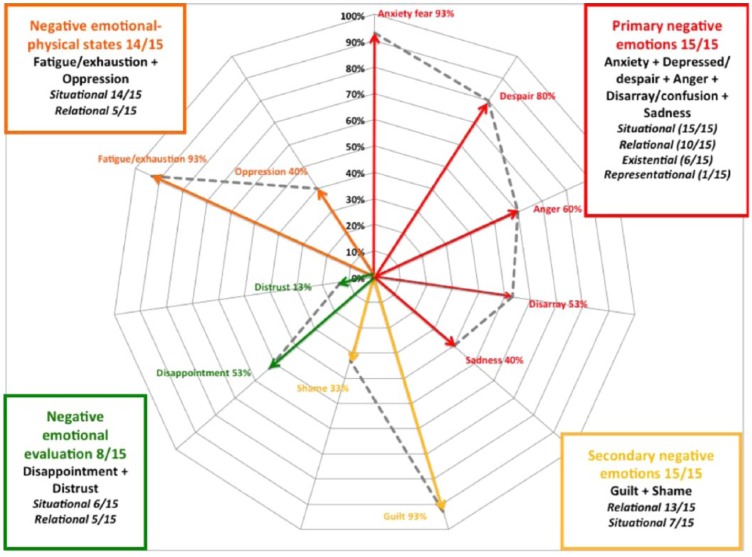
Patients awaiting lung transplantation are at risk of negative emotional and physical experiences. How do they talk about emotions? Semi-structured interviews were performed (15 patients). Categorical analysis focusing on emotion-related descriptions was organized into positive-negative-neutral descriptions: for primary and secondary emotions, evaluation processes, coping strategies, personal characteristics, emotion descriptions associated with physical states, (and) contexts were listed. Patients develop different strategies to maintain positive identity and attitude, while preserving significant others from extra emotional load. Results are discussed within various theoretical and research backgrounds, in emphasizing their importance in the definition of emotional support starting from the patient's perspective.
等待肺移植的患者面临着负面情绪和身体体验的风险。他们如何谈论情绪?我们进行了半结构化访谈(15名患者)。针对与情绪相关描述的分类分析被组织成积极-消极-中性描述:列出了关于主要和次要情绪、评估过程、应对策略、个人特征、与身体状态相关的情绪描述以及情境。患者会制定不同的策略来维持积极的身份和态度,同时避免让重要他人承受额外的情感负担。我们在各种理论和研究背景下讨论了这些结果,强调了从患者角度出发,它们在定义情感支持方面的重要性。