Xiao Yuhong, Daniell Henry
Department of Biochemistry, School of Dental Medicine, University of Pennsylvania, Philadelphia, PA 19104, USA.
Department of Biochemistry, School of Dental Medicine, University of Pennsylvania, Philadelphia, PA 19104, USA.
Vaccine. 2017 Sep 25;35(40):5418-5425. doi: 10.1016/j.vaccine.2016.12.061. Epub 2017 Jan 19.
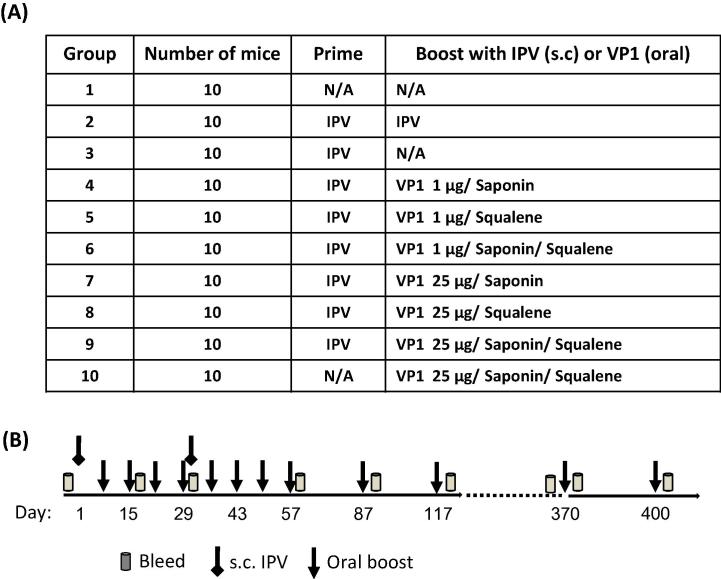
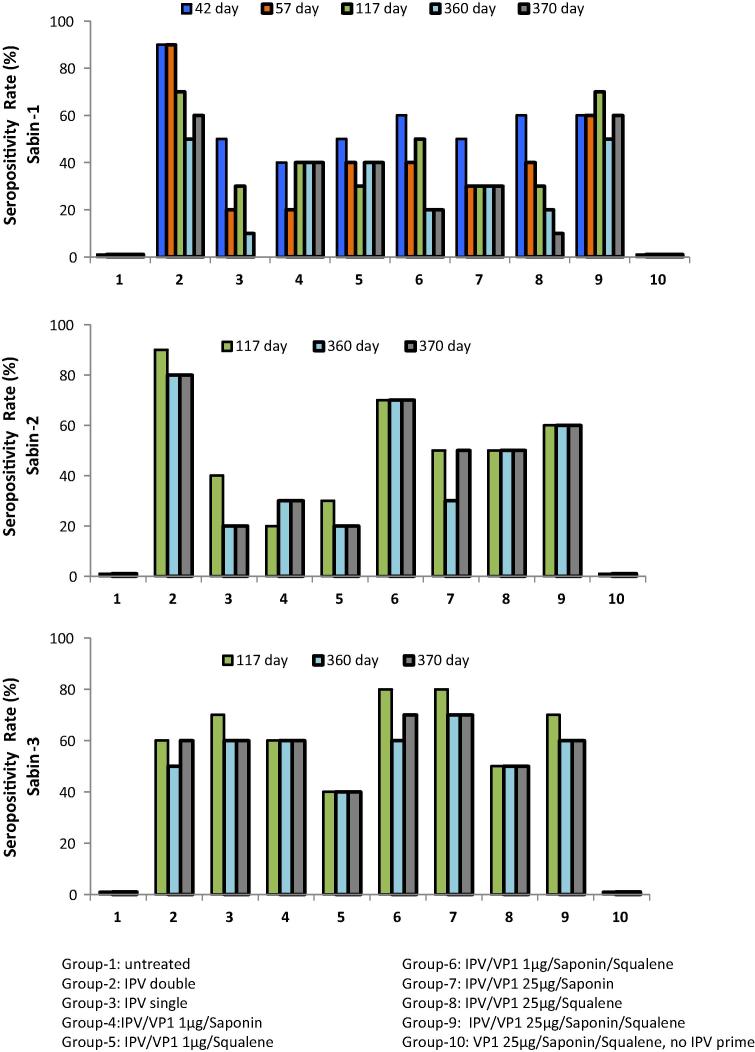
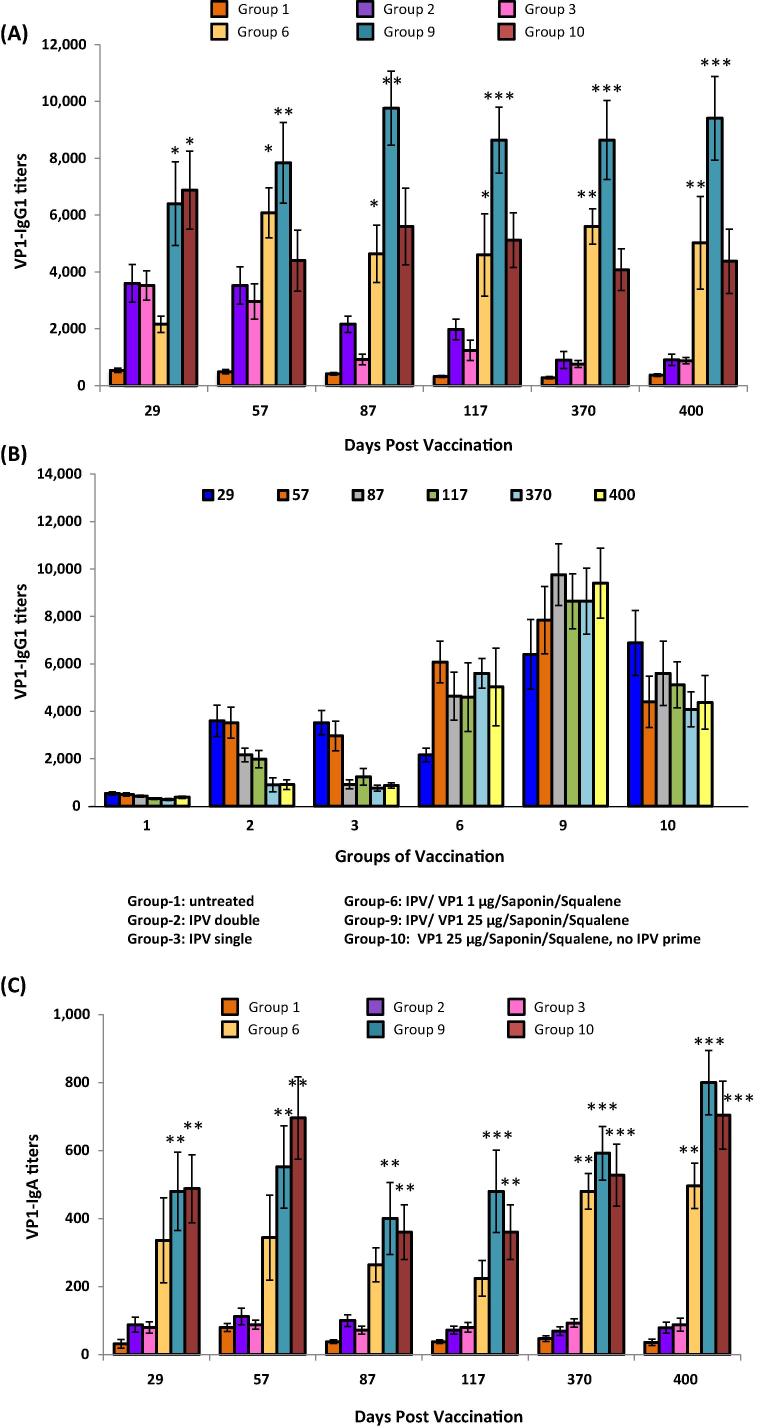
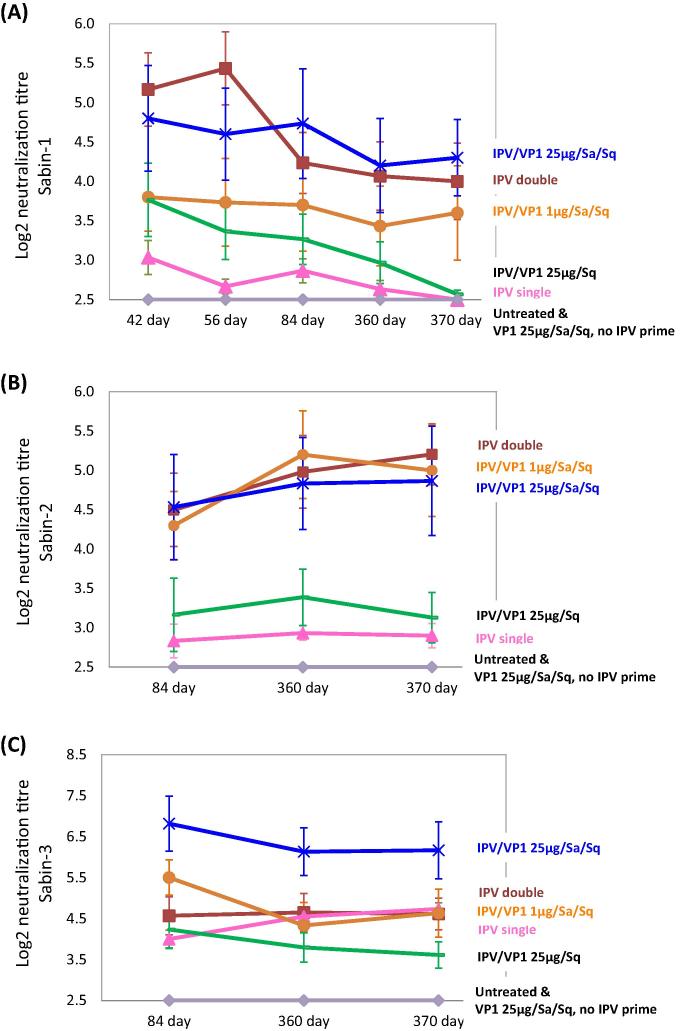
Oral polio vaccine (OPV) and Inactivated Polio Vaccine (IPV) have distinct advantages and limitations. IPV does not provide mucosal immunity and introduction of IPV to mitigate consequences of circulating vaccine-derived polio virus from OPV has very limited effect on transmission and OPV campaigns are essential for interrupting wild polio virus transmission, even in developed countries with a high coverage of IPV and protected sewer systems. The problem is magnified in many countries with limited resources. Requirement of refrigeration for storage and transportation for both IPV and OPV is also a major challenge in developing countries. Therefore, we present here long-term studies on comparison of a plant-based booster vaccine, which is free of virus and cold chain with IPV boosters and provide data on mucosal and systemic immunity and protection conferred by neutralizing antibodies. Mice were primed subcutaneously with IPV and boosted orally with lyophilized plant cells containing 1μg or 25μg polio viral protein 1 (VP1), once a month for three months or a single booster one year after the first prime. Our results show that VP1-IgG1 titers in single or double dose IPV dropped to background levels after one year of immunization. This decrease correlated with >50% reduction in seropositivity in double dose and <10% seropositivity in single dose IPV against serotype 1. Single dose IPV offered no or minimal protection against serotype 1 and 2 but conferred protection against serotype 3. VP1-IgA titers were negligible in IPV single or double dose vaccinated mice. VP1 antigen with two plant-derived adjuvants induced significantly high level and long lasting VP1-IgG1, IgA and neutralizing antibody titers (average 4.3-6.8 log2 titers). Plant boosters with VP1 and plant derived adjuvants maintained the same level titers from 29 to 400days and conferred the same level of protection against all three serotypes throughout the duration of this study. Even during period, when no plant booster was given (∼260days), VP1-IgG1 titers were maintained at high levels. Lyophilized plant cells expressing VP1 can be stored without losing efficacy, eliminating cold chain. Virus-free, cold-chain free vaccine is ready for further clinical development.
口服脊髓灰质炎疫苗(OPV)和灭活脊髓灰质炎疫苗(IPV)具有不同的优点和局限性。IPV不能提供黏膜免疫,引入IPV以减轻OPV衍生的循环疫苗株脊髓灰质炎病毒的后果,对传播的影响非常有限,即使在IPV覆盖率高且有完善下水道系统的发达国家,OPV接种运动对于阻断野生脊髓灰质炎病毒传播也是必不可少的。在许多资源有限的国家,这个问题更加突出。IPV和OPV储存和运输都需要冷藏,这在发展中国家也是一个重大挑战。因此,我们在此展示了一项长期研究,比较了一种不含病毒且无需冷链的植物源性加强疫苗与IPV加强疫苗,并提供了黏膜和全身免疫以及中和抗体所提供保护的数据。小鼠皮下注射IPV进行初次免疫,然后口服含有1μg或25μg脊髓灰质炎病毒蛋白1(VP1)的冻干植物细胞进行加强免疫,每月一次,共三个月,或在初次免疫一年后进行单次加强免疫。我们的结果表明,单剂量或双剂量IPV免疫一年后,VP1-IgG1滴度降至背景水平。这种下降与双剂量IPV血清阳性率降低>50%以及单剂量IPV血清阳性率降低<10%相关,针对1型血清型。单剂量IPV对1型和2型血清型没有或仅有极小的保护作用,但对3型血清型有保护作用。在接种单剂量或双剂量IPV的小鼠中,VP1-IgA滴度可忽略不计。含有两种植物源性佐剂的VP1抗原诱导出显著高水平且持久的VP1-IgG1、IgA和中和抗体滴度(平均4.3 - 6.8 log2滴度)。含有VP1和植物源性佐剂的植物加强疫苗在29至400天内维持相同水平的滴度,并在本研究期间对所有三种血清型提供相同水平的保护。即使在未给予植物加强疫苗的时期(约260天),VP1-IgG1滴度也维持在高水平。表达VP1的冻干植物细胞可以储存而不丧失效力,无需冷链。不含病毒、无需冷链的疫苗已准备好进一步开展临床研究。