Weber Christopher, Berberich Eva, von Rhein Christine, Henß Lisa, Hildt Eberhard, Schnierle Barbara S
Paul-Ehrlich-Institut, Department of Virology, Paul-Ehrlich Strasse, Langen, Germany.
PLoS Negl Trop Dis. 2017 Jan 23;11(1):e0005318. doi: 10.1371/journal.pntd.0005318. eCollection 2017 Jan.
Chikungunya virus (CHIKV) is a mosquito-transmitted alphavirus that causes high fever, rash, and recurrent arthritis in humans. It has efficiently adapted to Aedes albopictus, which also inhabits temperate regions, including Europe and the United States of America. In the past, CHIKV has mainly affected developing countries, but has recently caused large outbreaks in the Caribbean and Latin America. No treatment or licensed CHIKV vaccine exists.
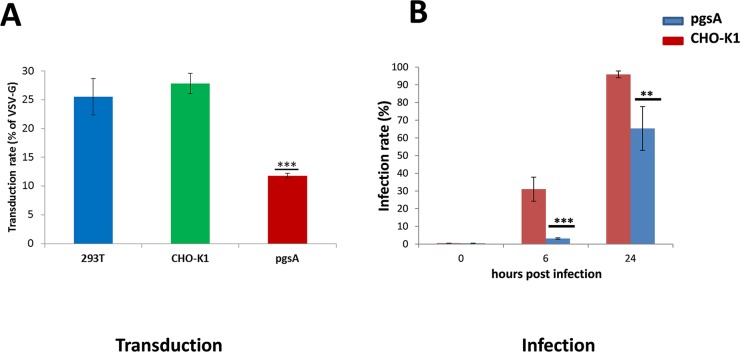
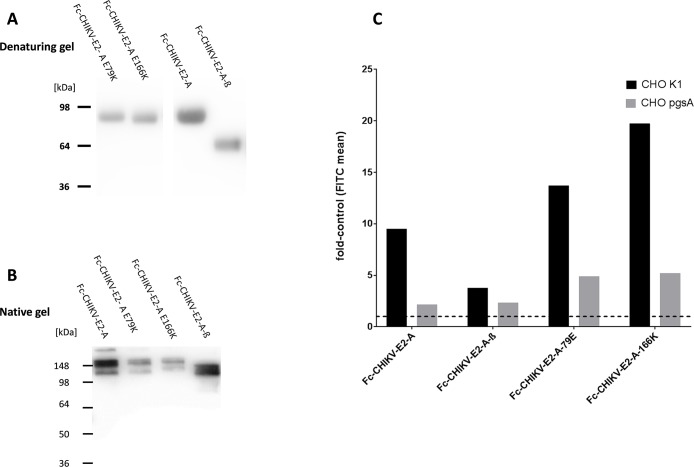
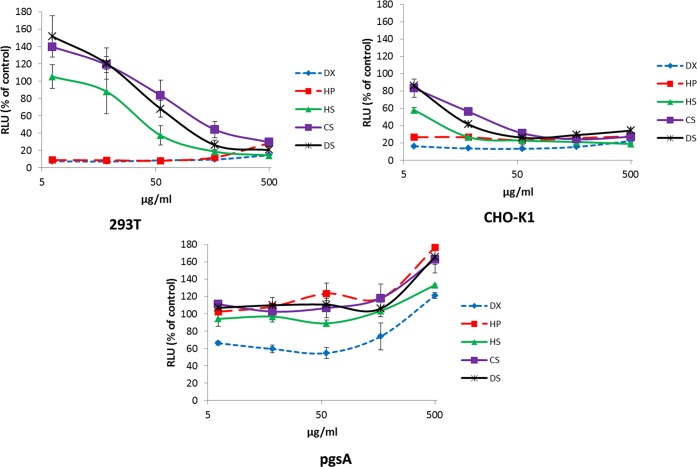
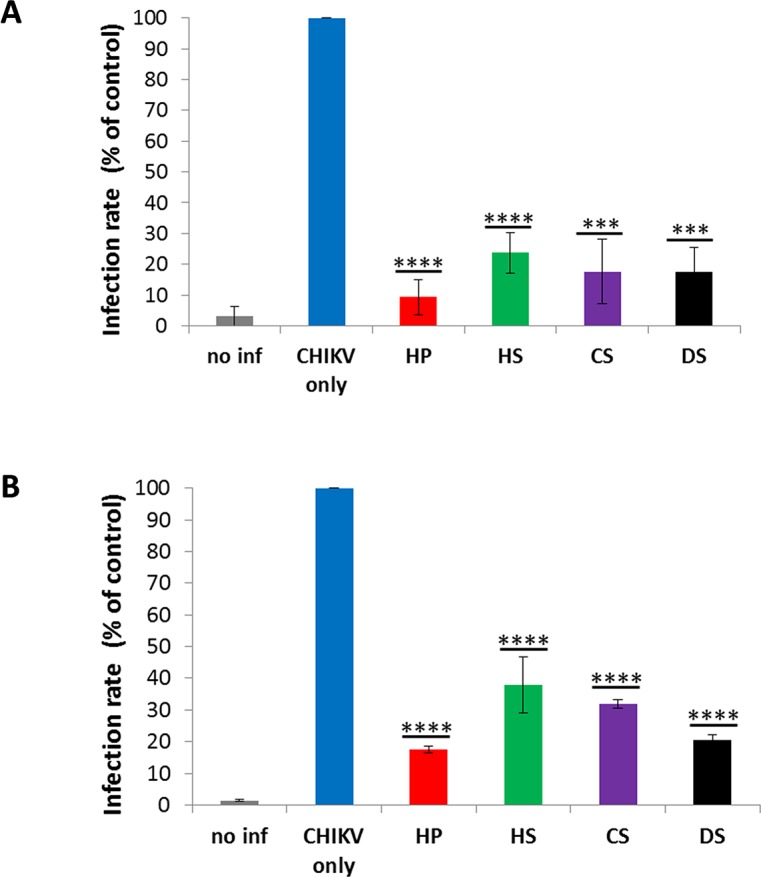
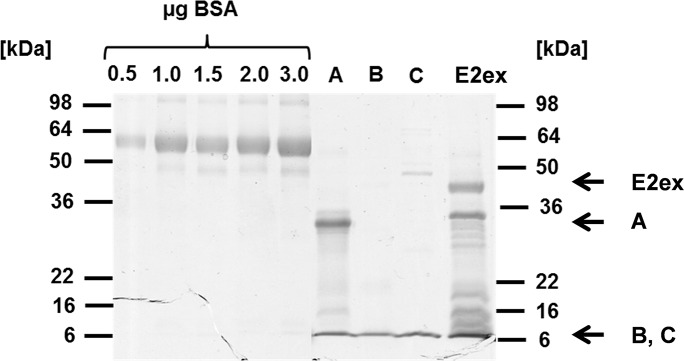
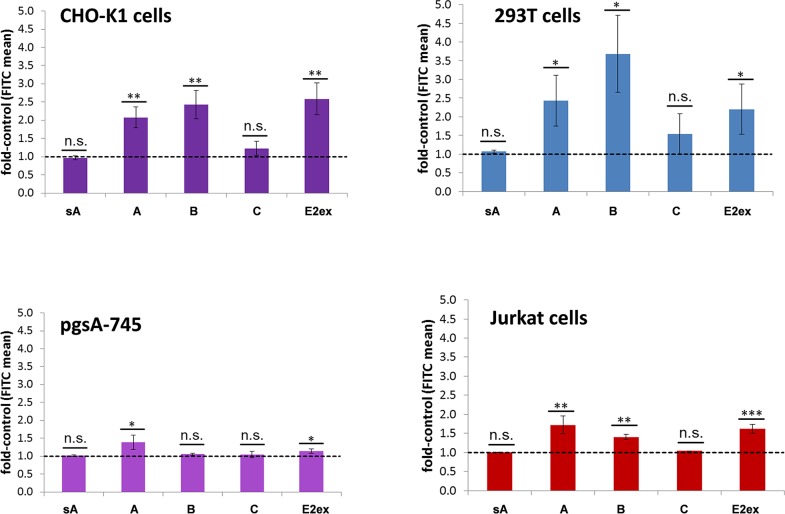
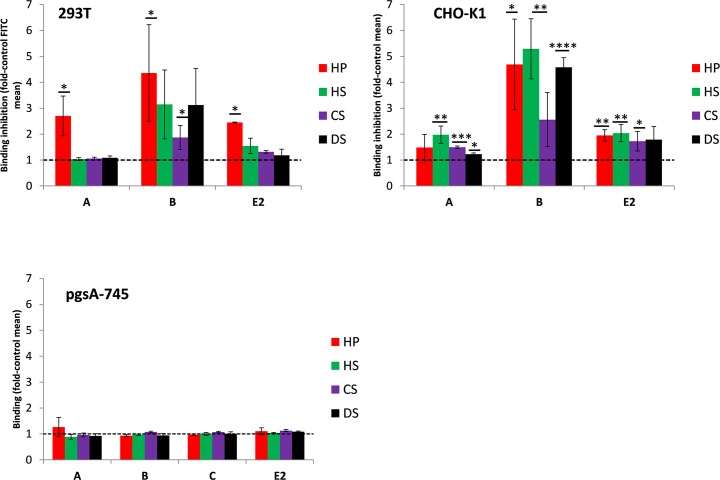
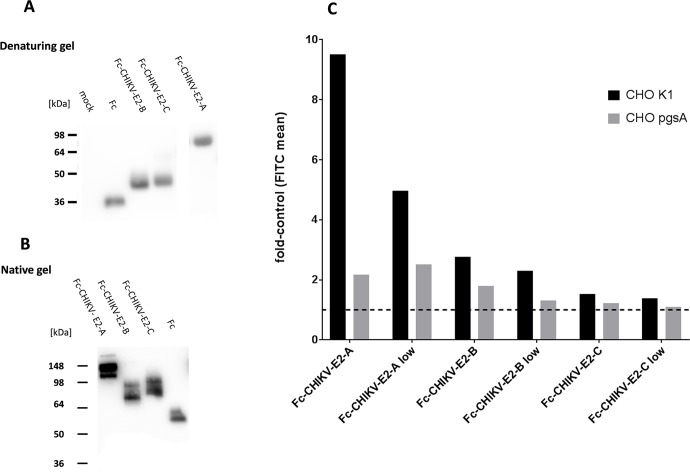
METHODOLOGY/PRINCIPAL FINDINGS: Here, we have identified determinants in the CHIKV cell-attachment protein E2 that facilitate cell binding. The extracellular part of the E2 gene is subdivided into the three domains, A, B, and C. These domains were expressed in E. coli and as Fc-fusion proteins generated from HEK293T cells and used for cell-binding assays. Domains A and B bound to all cells tested, independently of their permissiveness to CHIKV infection. Domain C did not bind to cells at all. Furthermore, CHIKV cell entry was promoted by cell-surface glycosaminoglycans (GAGs) and domain B interacted exclusively with GAG-expressing cells. Domain A also bound, although only moderately, to GAG-deficient cells. Soluble GAGs were able to inhibit CHIKV infection up to 90%; however, they enhanced the transduction rate of CHIKV Env pseudotyped vectors in GAG-negative cells.
CONCLUSION/SIGNIFICANCE: These data imply that CHIKV uses at least two mechanisms to enter cells, one GAG-dependent, via initial attachment through domain B, and the other GAG-independent, via attachment of domain A. These data give indications that CHIKV uses multiple mechanisms to enter cells and shows the potential of GAGs as lead structures for developing antiviral drugs.
基孔肯雅病毒(CHIKV)是一种通过蚊子传播的甲病毒,可导致人类出现高热、皮疹和复发性关节炎。它已有效地适应了白纹伊蚊,而白纹伊蚊也栖息在包括欧洲和美国在内的温带地区。过去,基孔肯雅病毒主要影响发展中国家,但最近在加勒比地区和拉丁美洲引发了大规模疫情。目前尚无针对基孔肯雅病毒的治疗方法或获批疫苗。
方法/主要发现:在此,我们确定了基孔肯雅病毒细胞附着蛋白E2中促进细胞结合的决定因素。E2基因的细胞外部分被细分为A、B和C三个结构域。这些结构域在大肠杆菌中表达,并作为从HEK293T细胞产生的Fc融合蛋白,用于细胞结合试验。结构域A和B与所有测试细胞结合,与它们对基孔肯雅病毒感染的易感性无关。结构域C根本不与细胞结合。此外,细胞表面糖胺聚糖(GAGs)促进了基孔肯雅病毒的细胞进入,并且结构域B仅与表达GAG的细胞相互作用。结构域A也与缺乏GAG的细胞结合,尽管结合程度适中。可溶性GAGs能够抑制高达90%的基孔肯雅病毒感染;然而,它们提高了基孔肯雅病毒Env假型载体在GAG阴性细胞中的转导率。
结论/意义:这些数据表明,基孔肯雅病毒至少使用两种机制进入细胞,一种是依赖GAG的,通过结构域B的初始附着,另一种是不依赖GAG的,通过结构域A的附着。这些数据表明基孔肯雅病毒使用多种机制进入细胞,并显示了GAGs作为开发抗病毒药物的先导结构的潜力。