Al Edwan Ghazi Mohammad, Muheilan Muheilan Mustafa, Atta Omar Nabeeh M
Division of Urology, Department of Special Surgery, Jordan University Hospital, The University of Jordan, Jordan.
Ann Med Surg (Lond). 2017 Jan 6;14:12-17. doi: 10.1016/j.amsu.2016.12.051. eCollection 2017 Feb.
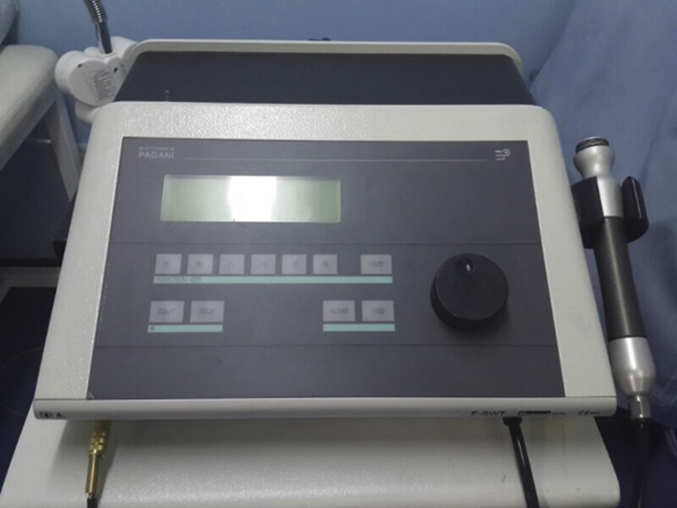
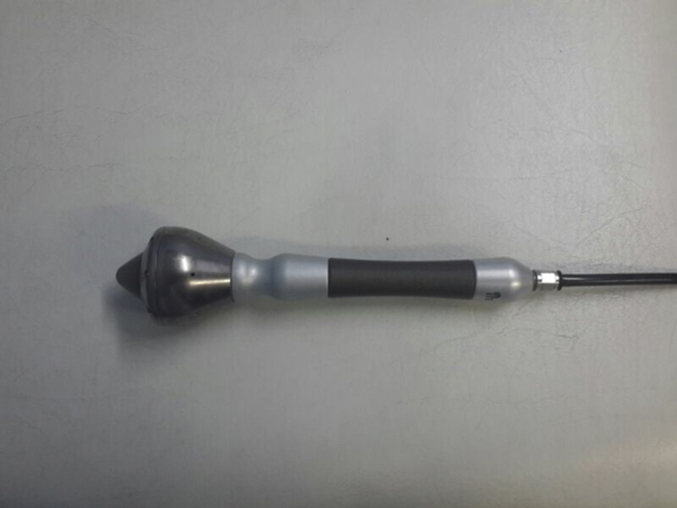
To evaluate the effect and safety of extracorporeal shockwave therapy (ESWT) on chronic pelvic pain syndrome (CPPS)/chronic abacterial prostatitis after failure of most other modalities of treatment, the maintenance of the treatment effect for up to one year post treatment and whether the patients are in need for further sessions.
In a follow-up survey of 41 patients, the study inclusion criteria were CPPS patients who failed at least previously 3 modalities of treatment other than ESWT, who were treated by ESWT once a week for one month with a protocol of 2500 pulses at 1 bar over 13 min, Nonaddiction to drugs and narcotics. The exclusion criteria included being under treatment by another method another diagnosis such as prostate cancer, therapy plan alteration, and noninclination to continue this treatment. Then the patients were followed up at 2 weeks, 6 months and 12 months after finishing the course of ESWT. The study was designed as an open-label uncontrolled therapeutic clinical trial which was conducted in Jordan university hospital through the period 2015-2016. Data were compared using paired samples -test.
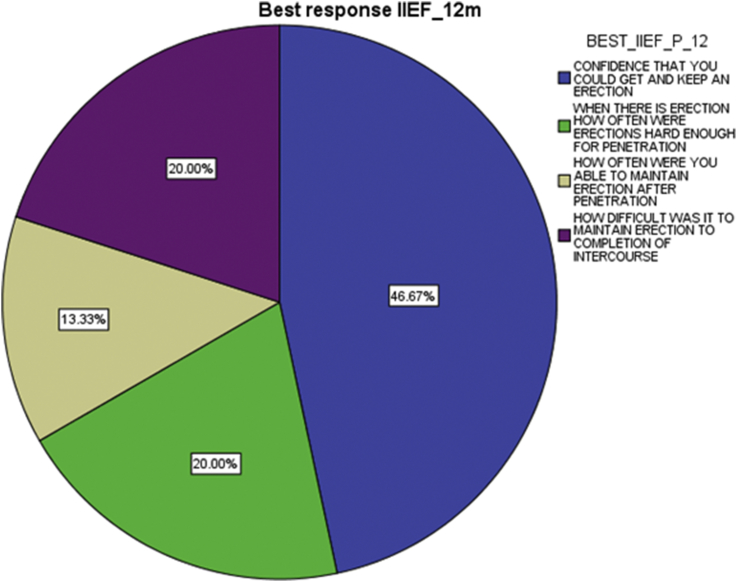
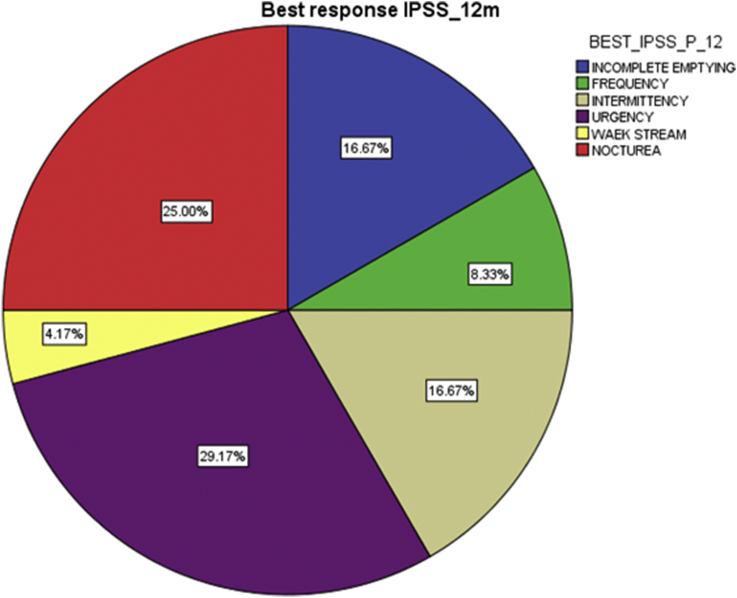
Of our total 55 patients 8 of them did not complete the study protocol, 6 of them had missed follow up over the whole follow up period and 41 patients were evaluated. The patient's age group ranged between 18 and 78 years with a mean age of 42 and a median age of 43. The mean of National Institutes of Health -Chronic Prostatitis Symptom Index (NIH-CPSI), the International Prostate Symptom Score (IPSS), American Urological Association Quality of Life Due to Urinary Symptoms (AUA QOL_US) and International Index of Erectile Function (IIEF) were evaluated pre and post ESWT at 2 weeks, 6 months and 12 months and it showed statistically significant improvement in all parameters with maintenance of the effect without any significant side-effect of the treatment over the 12 months.
The evidence in this study would support the safety and efficacy of ESWT in refractory cases of CPPS at least for one year post treatment.
评估体外冲击波疗法(ESWT)对慢性盆腔疼痛综合征(CPPS)/慢性非细菌性前列腺炎的疗效和安全性,观察治疗后长达一年的治疗效果维持情况以及患者是否需要进一步治疗。
在一项对41例患者的随访研究中,研究纳入标准为至少在ESWT以外的3种治疗方式上失败的CPPS患者,每周接受一次ESWT治疗,共治疗一个月,治疗方案为在13分钟内以1巴的压力施加2500次脉冲,无药物和麻醉品成瘾。排除标准包括正在接受其他治疗、存在其他诊断(如前列腺癌)、治疗方案改变以及不愿意继续该治疗。然后在完成ESWT疗程后的2周、6个月和12个月对患者进行随访。本研究设计为一项开放标签的非对照治疗性临床试验,于2015 - 2016年期间在约旦大学医院进行。使用配对样本t检验比较数据。
在我们总共55例患者中,8例未完成研究方案,6例在整个随访期间失访,41例患者接受了评估。患者年龄在18至78岁之间,平均年龄为42岁,中位年龄为43岁。在ESWT治疗前以及治疗后2周、6个月和12个月,对美国国立卫生研究院慢性前列腺炎症状指数(NIH - CPSI)、国际前列腺症状评分(IPSS)、美国泌尿外科协会因尿路症状导致的生活质量评分(AUA QOL_US)和国际勃起功能指数(IIEF)进行了评估,结果显示所有参数均有统计学意义的改善,且在12个月内疗效得以维持,治疗无任何显著副作用。
本研究证据支持ESWT在CPPS难治性病例中至少在治疗后一年的安全性和有效性。