Gholipoury Monireh, Rezai Hamid Reza, Namroodi Somayeh, Arab Khazaeli Fatemeh
Faculty of Fisheries and Environment, Gorgan University of Agricultural Sciences and Natural Resources, Gorgan, Iran.
Department of Parasitology Faculty of Veterinary Medicine University of Tehran, Tehran, Iran.
Iran J Parasitol. 2016 Jul-Sep;11(3):350-357.
This study was conducted to collect informative data on the parasitic infection of wild rodents, emphasizing on finding parasites, which have medical importance to human.
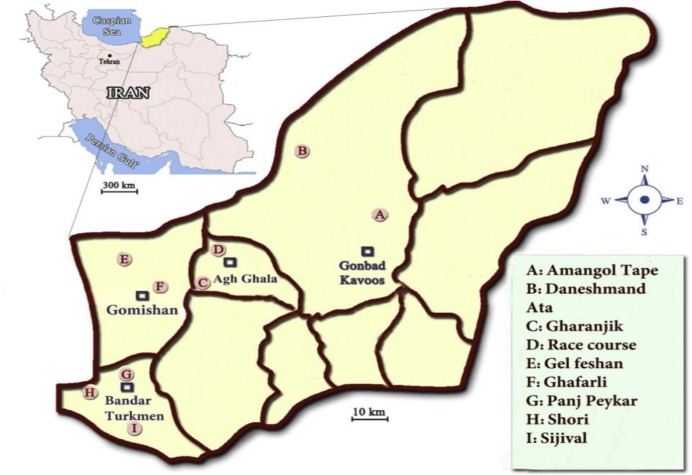
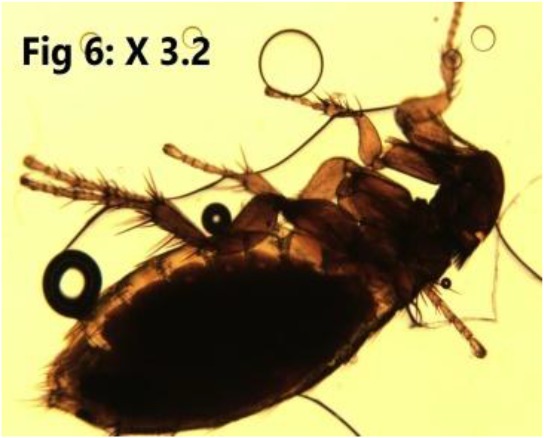
During 2012-2014, a total number of 91 wild rodents were captured from rural areas of Turkmen Sahra, Golestan Province, using handmade traps. Animals were anesthetized, surveyed for any ectoparasite and then their carcasses were carefully dissected for examination of endoparsites.
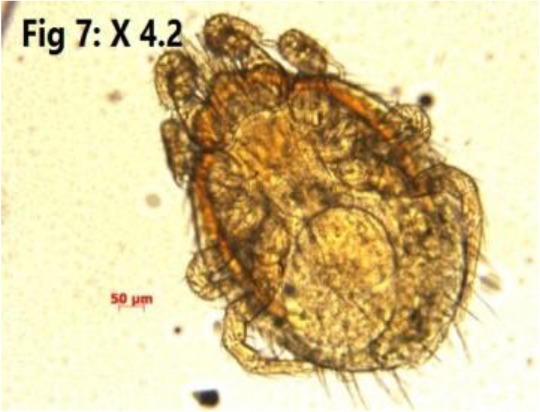
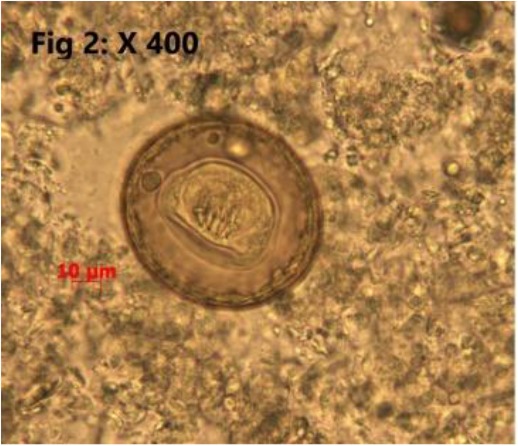
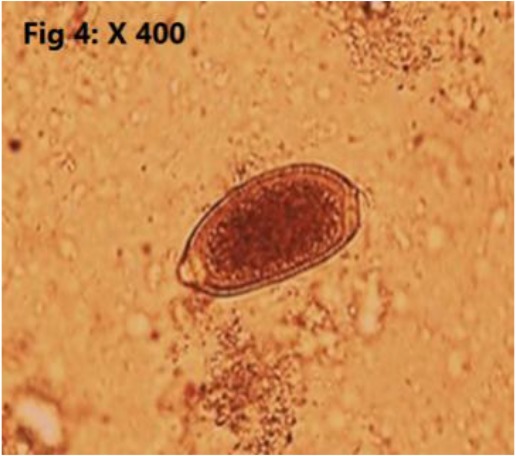
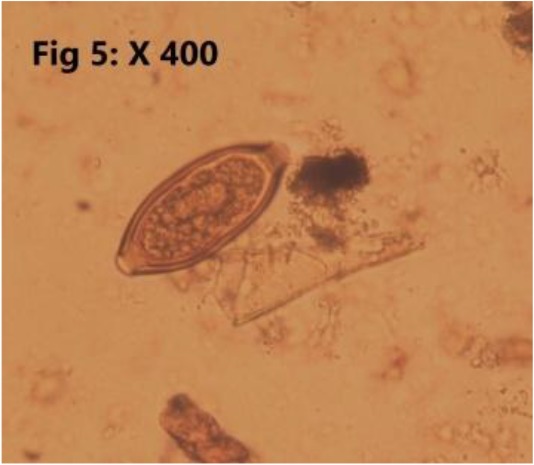
Four species of rodents including (52.75%), (38.46%), (4.40%) and (4.40%) were captured. Parasitic infestation was detected in 38.5% of sampled rodents. Parasite infestation rates of sampled rodents was = 7.7%, spp = 6.6%, spp.= 5.5%, = 2.20%, spp.= 2.20%, sp.= 1.09%, spp. = 8.70%, = 1.09%, and = 3.29%. Among 10 genera/species of identified parasites, at least 8 of them were zoonotic with public health importance. and were the only two non-zoonotic detected parasites in this survey.
Harboring a wide variety of zoonotic parasites in sampled wild rodents particularly when they live nearby villages, represents a potential risk to native inhabitants. Hence, controlling rodents' population in residential regions and improving awareness of local people about the risk of disease transmission through rodents seems to be entirely necessary.
本研究旨在收集有关野生啮齿动物寄生虫感染的信息数据,重点是发现对人类具有医学重要性的寄生虫。
2012年至2014年期间,使用手工陷阱从戈勒斯坦省土库曼撒哈拉农村地区捕获了总共91只野生啮齿动物。对动物进行麻醉,检查是否有体外寄生虫,然后仔细解剖其尸体以检查体内寄生虫。
捕获了四种啮齿动物,包括(52.75%)、(38.46%)、(4.40%)和(4.40%)。在38.5%的采样啮齿动物中检测到寄生虫感染。采样啮齿动物的寄生虫感染率分别为:=7.7%, spp=6.6%, spp.=5.5%,=2.20%, spp.=2.20%, sp.=1.09%, spp.=8.70%,=1.09%,以及=3.29%。在鉴定出的10个属/种寄生虫中,至少有8种是人畜共患的,对公共卫生具有重要意义。和是本次调查中仅检测到的两种非人畜共患寄生虫。
采样的野生啮齿动物中携带多种人畜共患寄生虫,特别是当它们生活在村庄附近时,对当地居民构成潜在风险。因此,控制居民区啮齿动物数量并提高当地居民对通过啮齿动物传播疾病风险的认识似乎是完全必要的。