Kuczynski Andrea M, Semrau Jennifer A, Kirton Adam, Dukelow Sean P
University of Calgary, Calgary, AB, Canada.
Section of Neurology, Department of Pediatrics, Alberta Children's Hospital Research Institute, Calgary, AB, Canada.
J Neuroeng Rehabil. 2017 Feb 15;14(1):13. doi: 10.1186/s12984-017-0221-6.
While sensory dysfunction is common in children with hemiparetic cerebral palsy (CP) secondary to perinatal stroke, it is an understudied contributor to disability with limited objective measurement tools. Robotic technology offers the potential to objectively measure complex sensorimotor function but has been understudied in perinatal stroke. The present study aimed to quantify kinesthetic deficits in hemiparetic children with perinatal stroke and determine their association with clinical function.
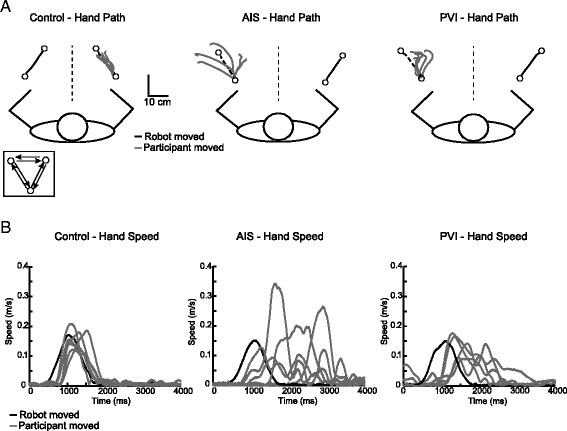
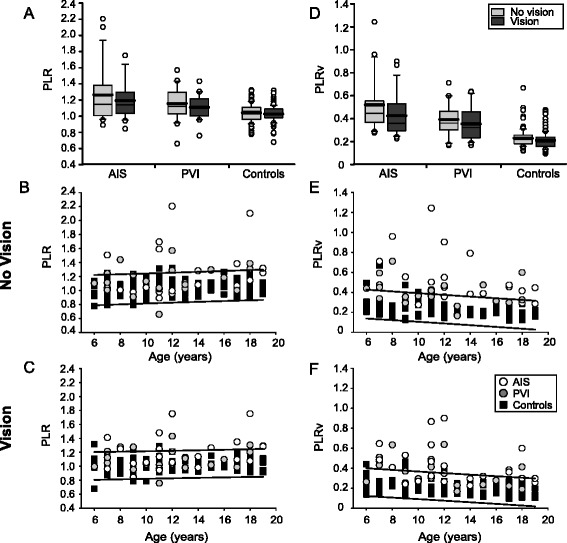
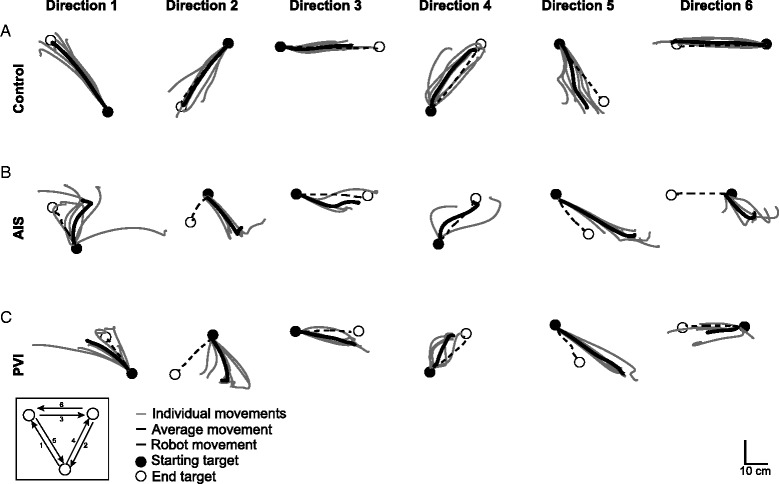
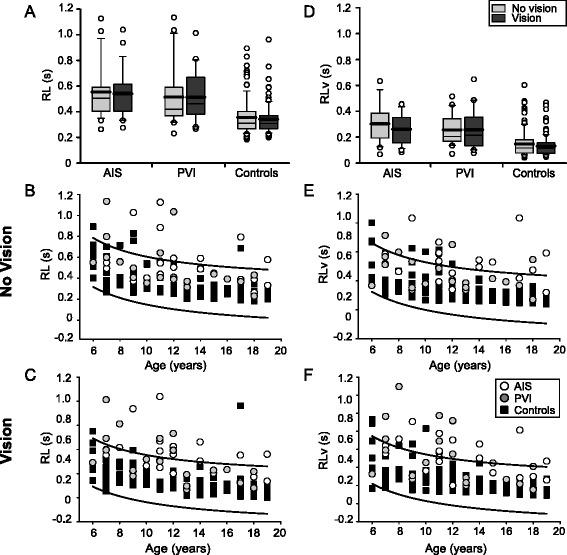
Case-control study. Participants were 6-19 years of age. Stroke participants had MRI confirmed unilateral perinatal arterial ischemic stroke or periventricular venous infarction, and symptomatic hemiparetic cerebral palsy. Participants completed a robotic assessment of upper extremity kinesthesia using a robotic exoskeleton (KINARM). Four kinesthetic parameters (response latency, initial direction error, peak speed ratio, and path length ratio) and their variabilities were measured with and without vision. Robotic outcomes were compared across stroke groups and controls and to clinical measures of sensorimotor function.
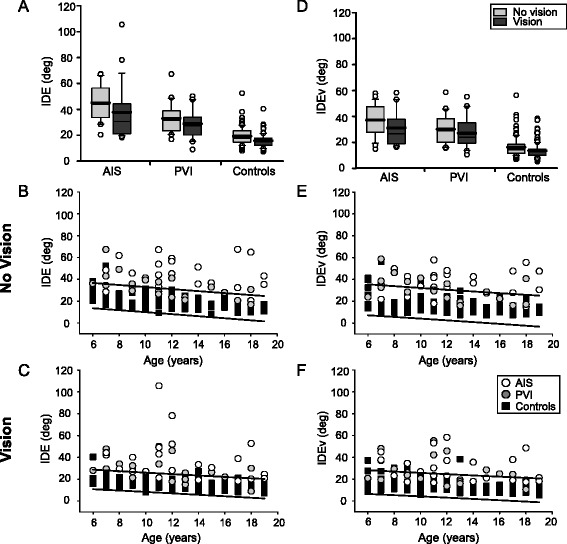
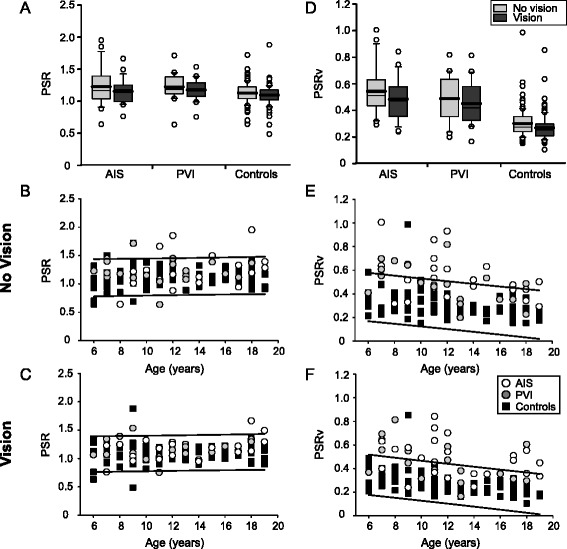
Forty-three stroke participants (23 arterial, 20 venous, median age 12 years, 42% female) were compared to 106 healthy controls. Stroke cases displayed significantly impaired kinesthesia that remained when vision was restored. Kinesthesia was more impaired in arterial versus venous lesions and correlated with clinical measures.
Robotic assessment of kinesthesia is feasible in children with perinatal stroke. Kinesthetic impairment is common and associated with stroke type. Failure to correct with vision suggests sensory network dysfunction.
虽然感觉功能障碍在围产期卒中继发的偏瘫型脑瘫(CP)儿童中很常见,但作为导致残疾的一个因素,它却未得到充分研究,且客观测量工具有限。机器人技术为客观测量复杂的感觉运动功能提供了可能,但在围产期卒中方面的研究还很少。本研究旨在量化围产期卒中偏瘫儿童的本体感觉缺陷,并确定它们与临床功能的关系。
病例对照研究。参与者年龄在6至19岁之间。卒中参与者经MRI证实有单侧围产期动脉缺血性卒中或脑室周围静脉梗死,并有症状性偏瘫型脑瘫。参与者使用机器人外骨骼(KINARM)完成了上肢本体感觉的机器人评估。在有视觉和无视觉的情况下测量四个本体感觉参数(反应潜伏期、初始方向误差、峰值速度比和路径长度比)及其变异性。比较了卒中组和对照组的机器人评估结果以及感觉运动功能的临床测量结果。
将43名卒中参与者(23例动脉性,20例静脉性,中位年龄12岁,42%为女性)与106名健康对照者进行比较。卒中病例显示本体感觉明显受损,恢复视觉后仍存在。动脉性病变比静脉性病变的本体感觉受损更严重,且与临床测量结果相关。
对围产期卒中儿童进行机器人本体感觉评估是可行的。本体感觉障碍很常见,且与卒中类型有关。视觉不能纠正表明感觉网络功能障碍。