Hannapel David J, Banerjee Anjan K
Plant Biology Major, 253 Horticulture Hall, Iowa State University, Ames, IA 50011-1100, USA.
Biology Division, Indian Institute of Science Education and Research, Dr. Homi Bhabha Road, Pashan, Pune 411008, India.
Plants (Basel). 2017 Feb 10;6(1):8. doi: 10.3390/plants6010008.
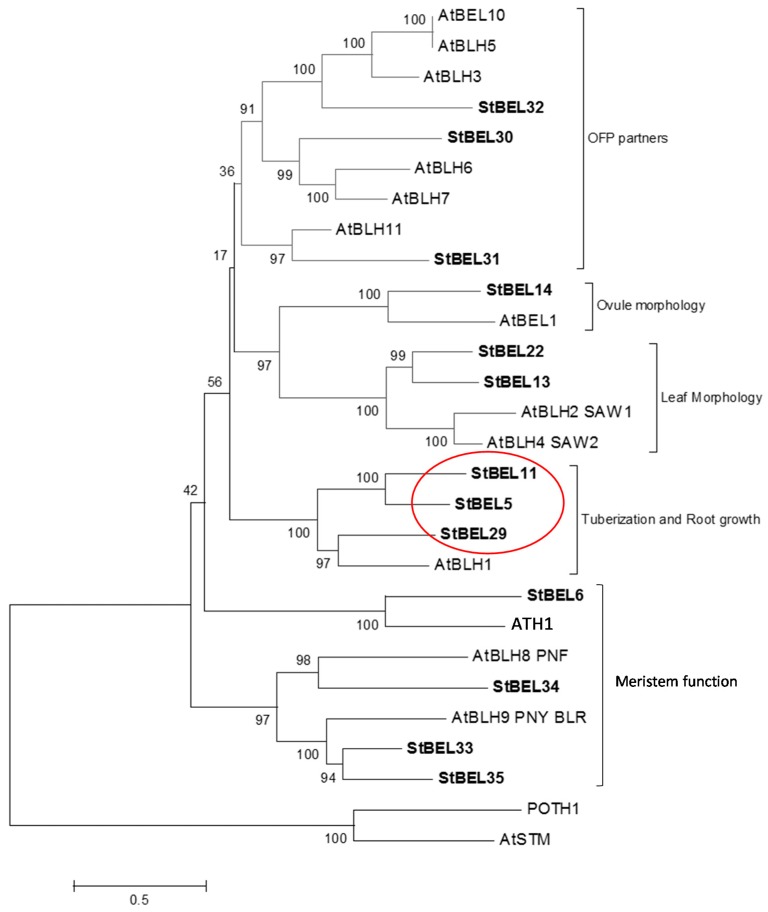
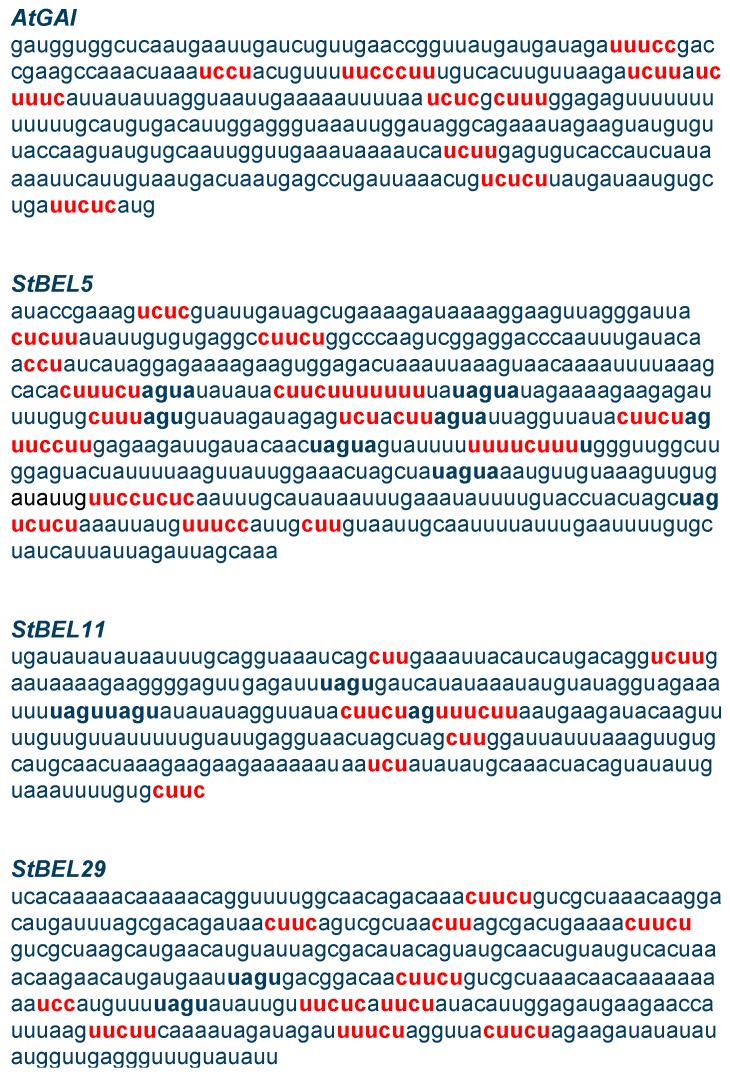
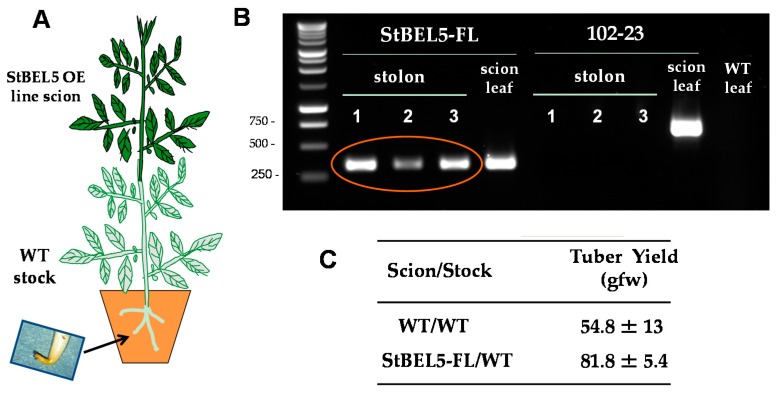
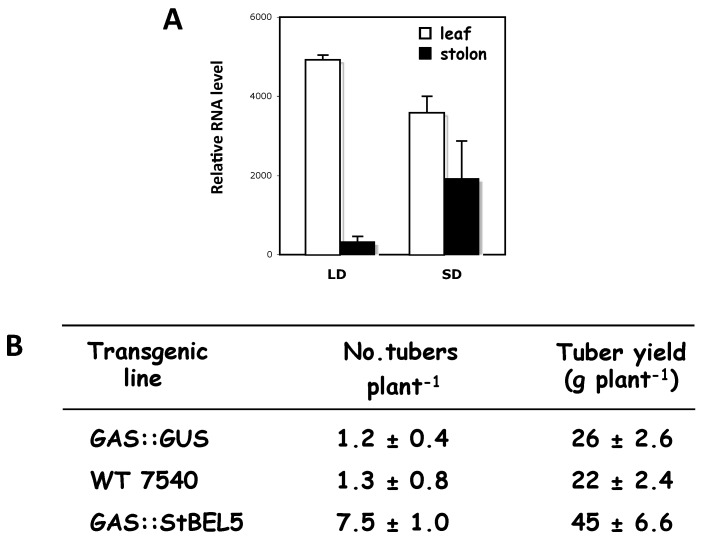
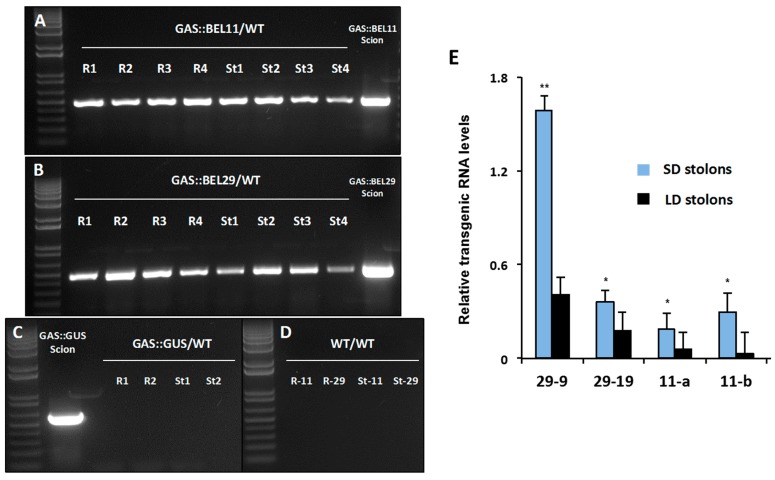
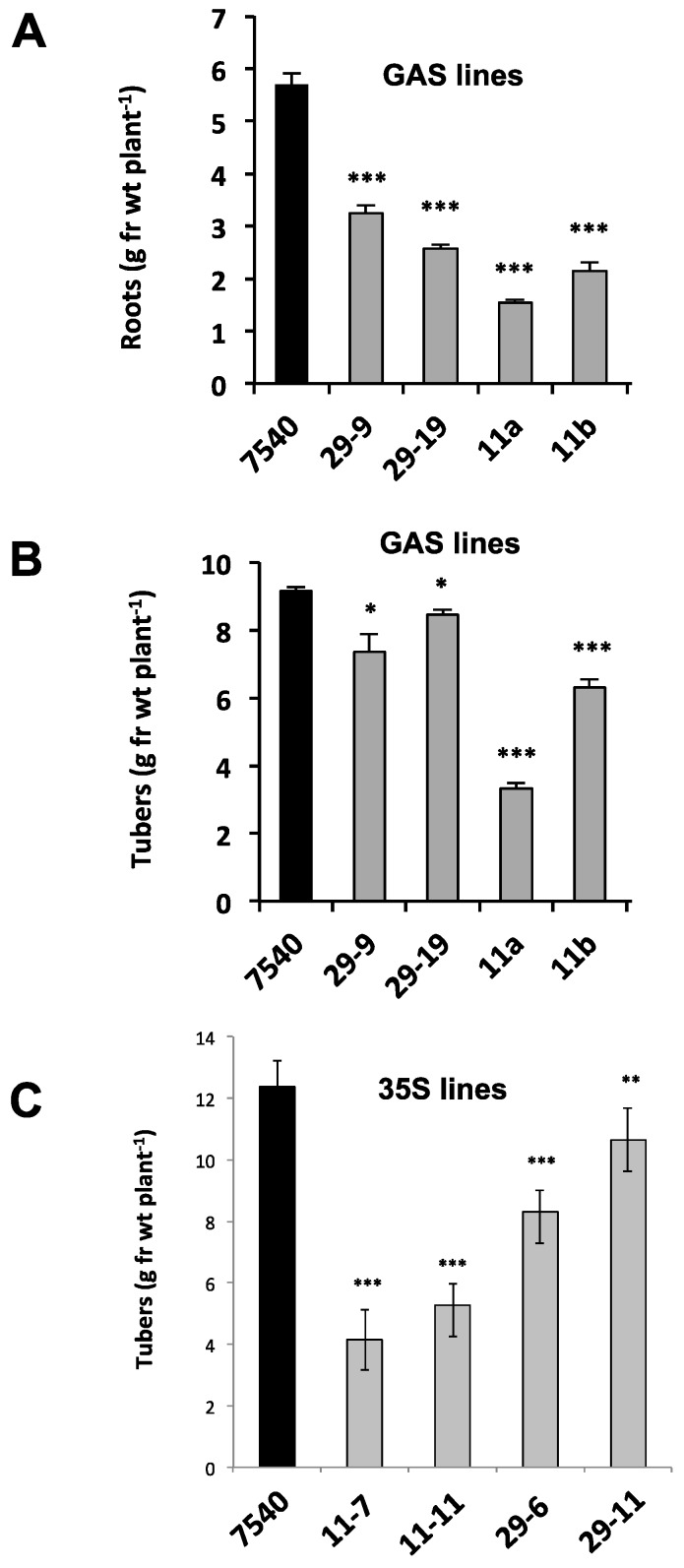
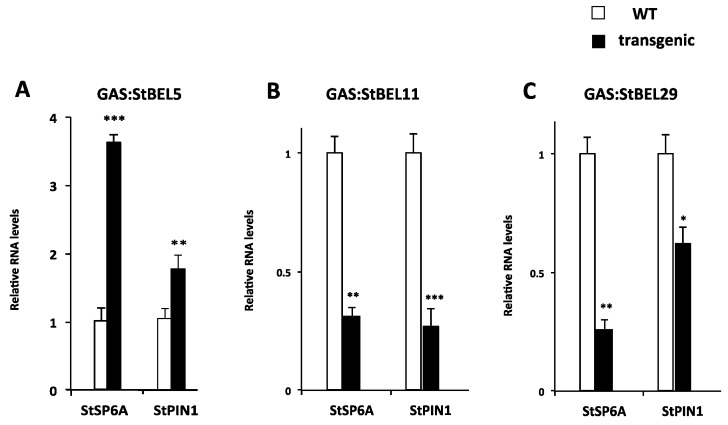
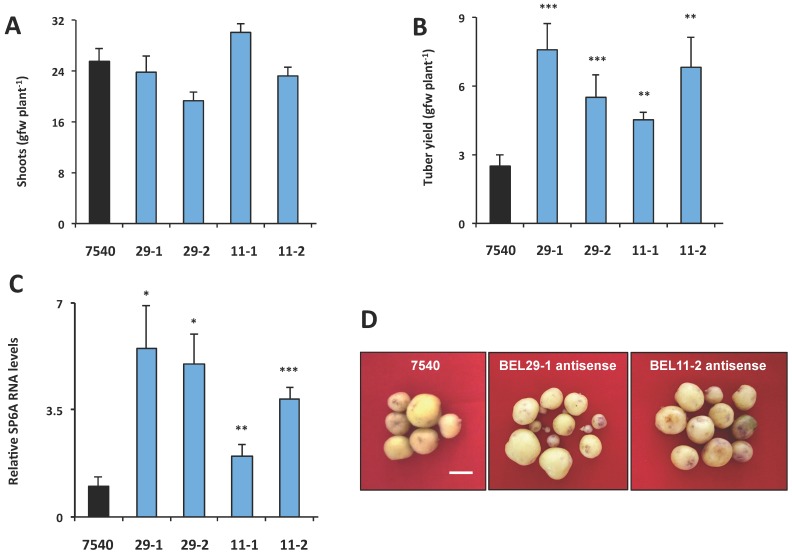
Included among the many signals that traffic through the sieve element system are full-length mRNAs that function to respond to the environment and to regulate development. In potato, several mRNAs that encode transcription factors from the three-amino-loop-extension (TALE) superfamily move from leaves to roots and stolons via the phloem to control growth and signal the onset of tuber formation. This RNA transport is enhanced by short-day conditions and is facilitated by RNA-binding proteins from the polypyrimidine tract-binding family of proteins. Regulation of growth is mediated by three mobile mRNAs that arise from vasculature in the leaf. One mRNA, , functions to activate growth, whereas two other, sequence-related StBEL's, and , function antagonistically to repress StBEL5 target genes involved in promoting tuber development. This dynamic system utilizes closely-linked phloem-mobile mRNAs to control growth in developing potato tubers. In creating a complex signaling pathway, potato has evolved a long-distance transport system that regulates underground organ development through closely-associated, full-length mRNAs that function as either activators or repressors.
通过筛管分子系统传递的众多信号中包括全长mRNA,这些mRNA发挥着响应环境和调节发育的功能。在马铃薯中,几种编码来自三氨基酸环延伸(TALE)超家族转录因子的mRNA从叶片通过韧皮部移动到根和匍匐茎,以控制生长并发出块茎形成开始的信号。这种RNA运输在短日照条件下会增强,并由多嘧啶序列结合蛋白家族的RNA结合蛋白促进。生长调节由三种源自叶片维管系统的移动mRNA介导。一种mRNA, ,起到激活生长的作用,而另外两种与序列相关的StBEL, 和 ,则起到拮抗作用,抑制参与促进块茎发育的StBEL5靶基因。这个动态系统利用紧密相连的韧皮部移动mRNA来控制发育中的马铃薯块茎的生长。在创建一个复杂的信号通路时,马铃薯进化出了一个长距离运输系统,该系统通过紧密相关的全长mRNA作为激活剂或抑制剂来调节地下器官的发育。